

Into each life some rain must fall, and that it did here in South Africa, both figuratively and literally. The storms in Cape Town after our arrival hit the news with flooding and landslides, none of which we experienced. But the timing didn’t bother us much since we were in our own funk, with Brian being diagnosed with pneumonia and me with a small fracture in my foot. We knew heading on the road that our bodies, living in a COVID work-from-home bubble, would be like newborns shipped off to nursery school, ready to absorb every germ known to mankind. Brian’s recovery involves a stack of meds plus rest, and my verdict is 6 weeks in a moon boot, as they call it here. Certainly a bump in our year+ long journey and we’re bummed to cancel scuba in Aliwal Shoals and hiking in Drakensberg mountains, but this too will pass. We extend our stay in our luxurious 2 bedroom apartment – cough away Brian, I’m sleeping in another wing – and venture out for explorations as weather and health permit. An Uber driver, asking about my boot, commented “The Universe is telling you to slow down” – Ubers with Insights.
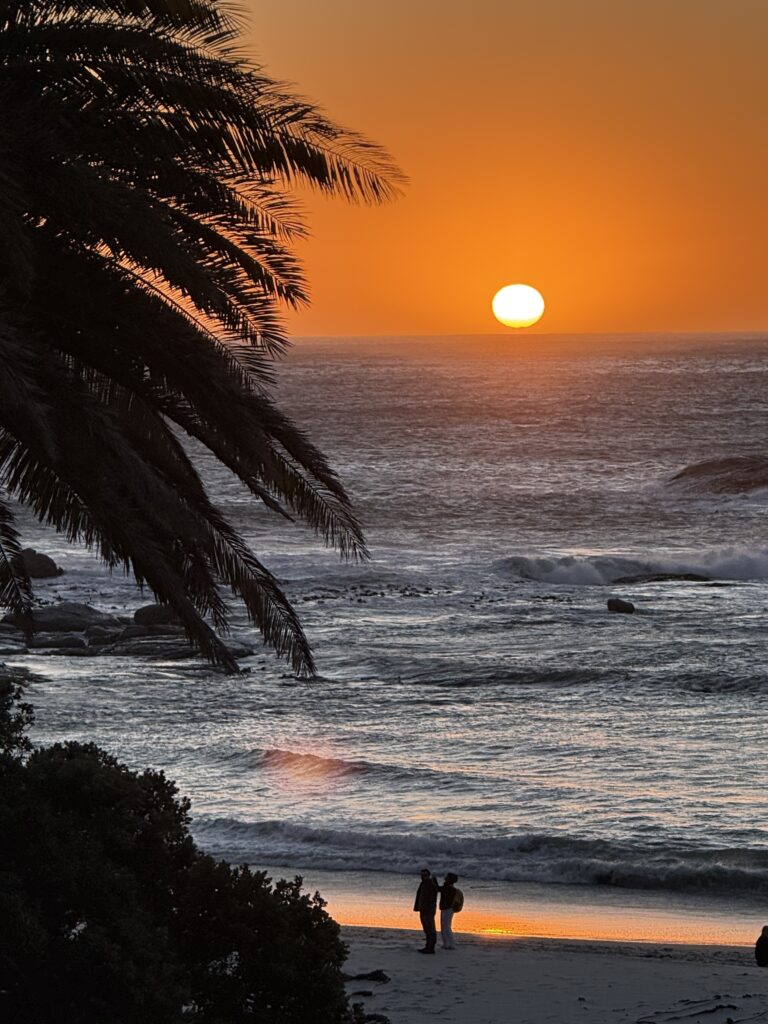
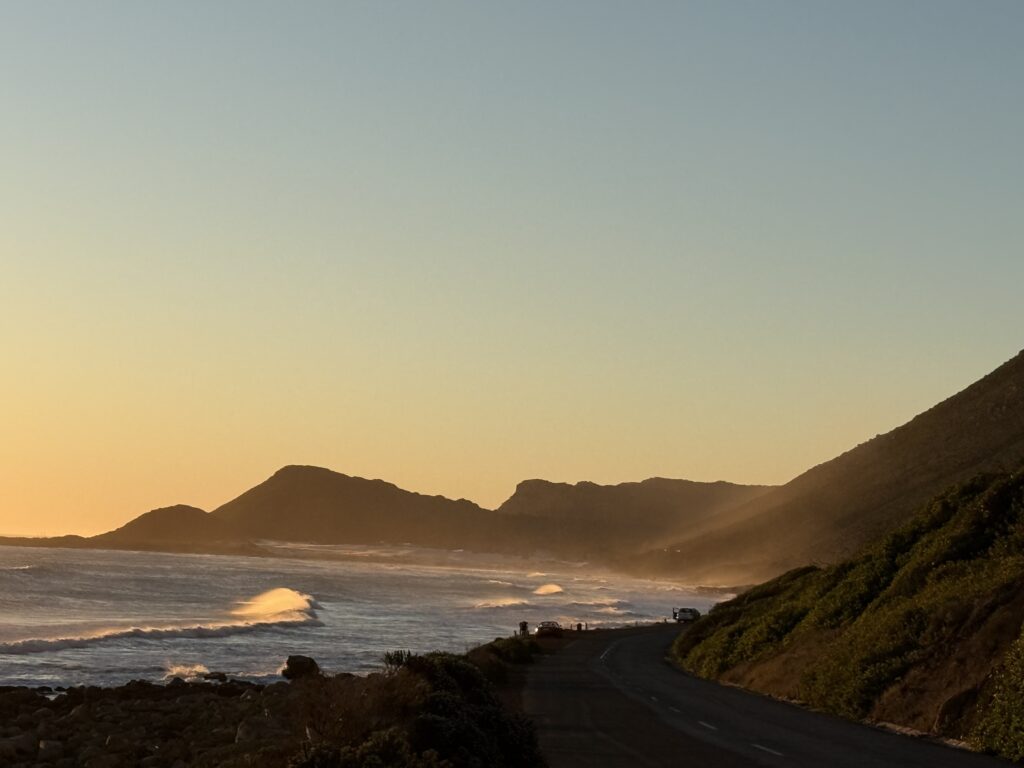
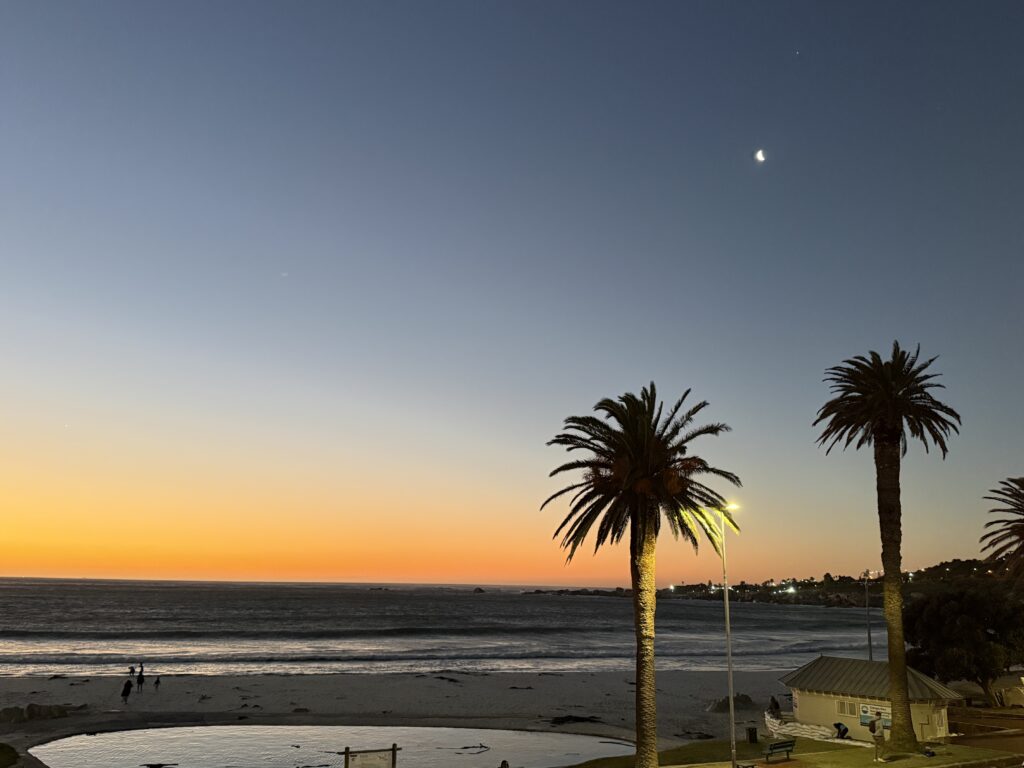
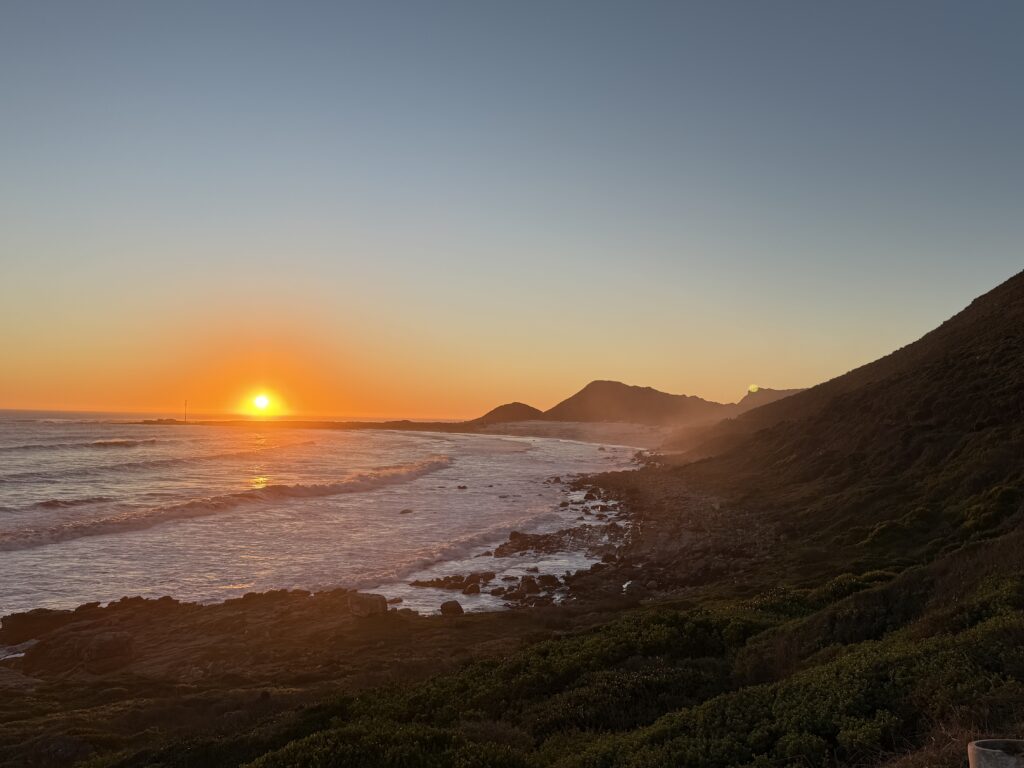
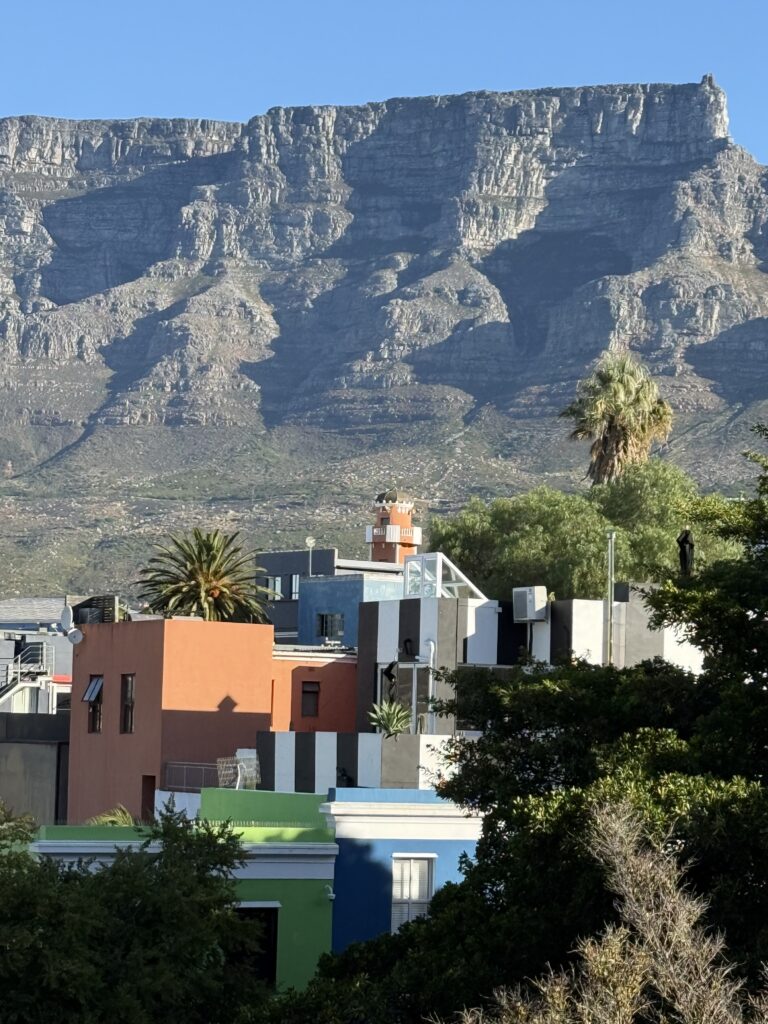
There’s so much about Cape Town that harkens to home, from the hilly views of the ocean, the culinary and wine focus, the penchant for the outdoors, and the rocky surfer-strewn coastline all at an enticing lower price point. There are also less cheery similarities including the homelessness, the racial divide, and the stark haves vs have nots. Our neighborhood on Kloof St is like Chestnut St in SF lined with cute shops and restaurants, which we frequently support. Driving in the Cape of Good Hope, the windswept peninsula feels like Point Reyes and adorable Simon’s Town like Point Reyes Station. Camp’s Bay with its backdrop of the Twelve Apostles craggy peaks, its hillside littered with million dollar homes, and its crescent white sand beach reminds us of Tiburon/Sausalito but even more so La Jolla. The area has the same incredible beauty and outdoor focus on a more manageable scale, both size, traffic, and cost wise.
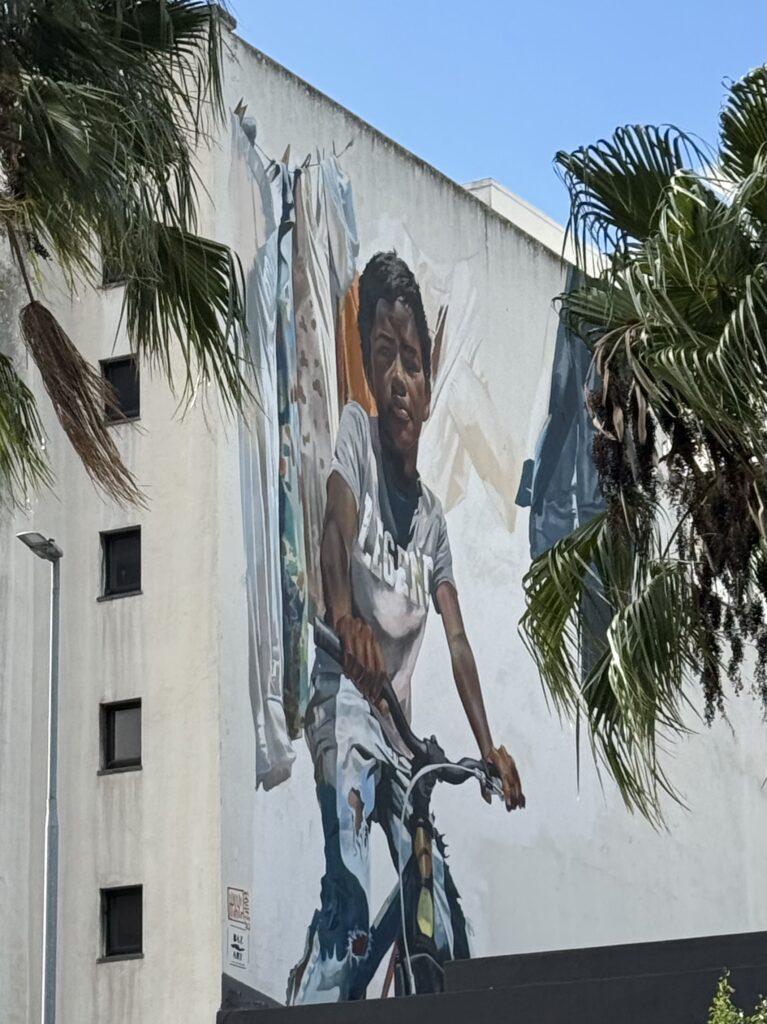
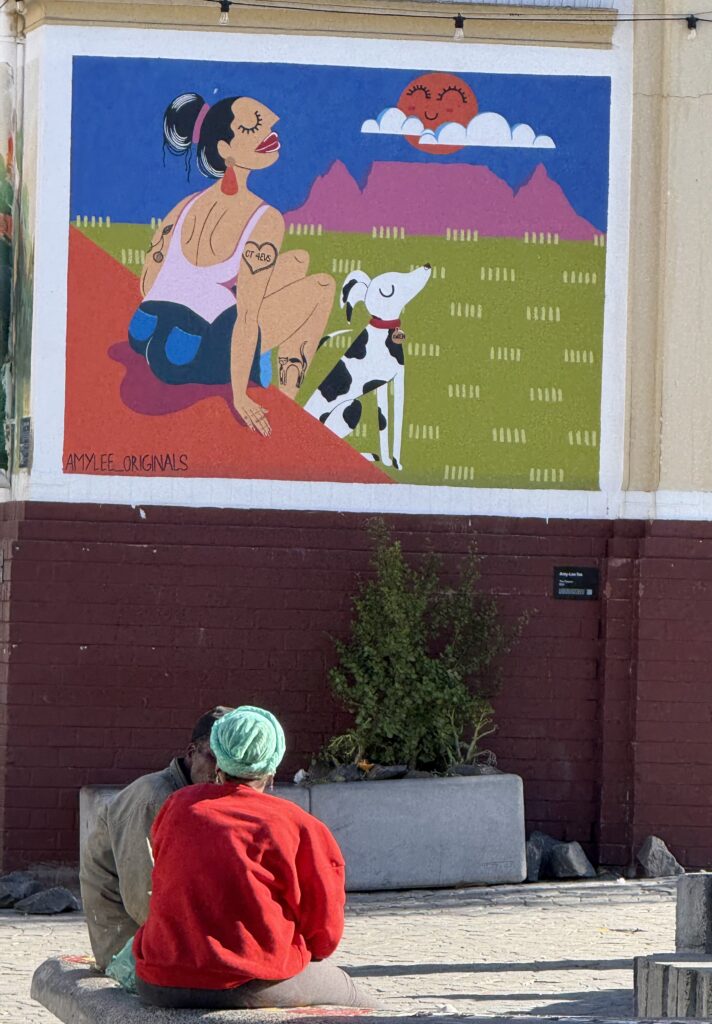
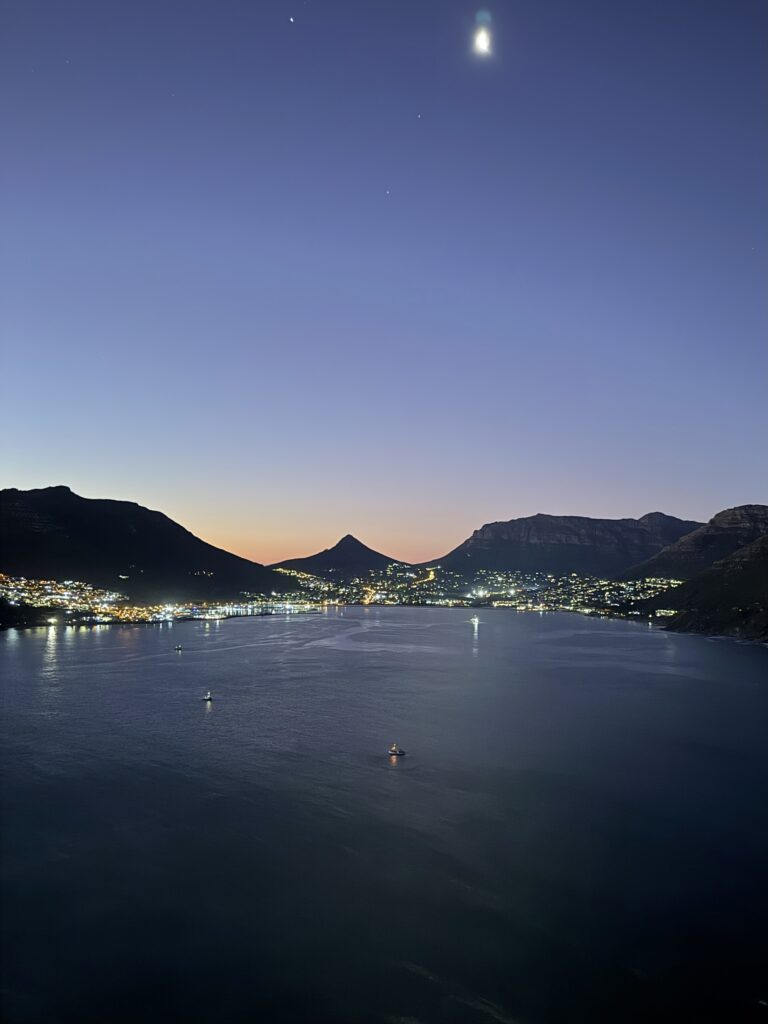
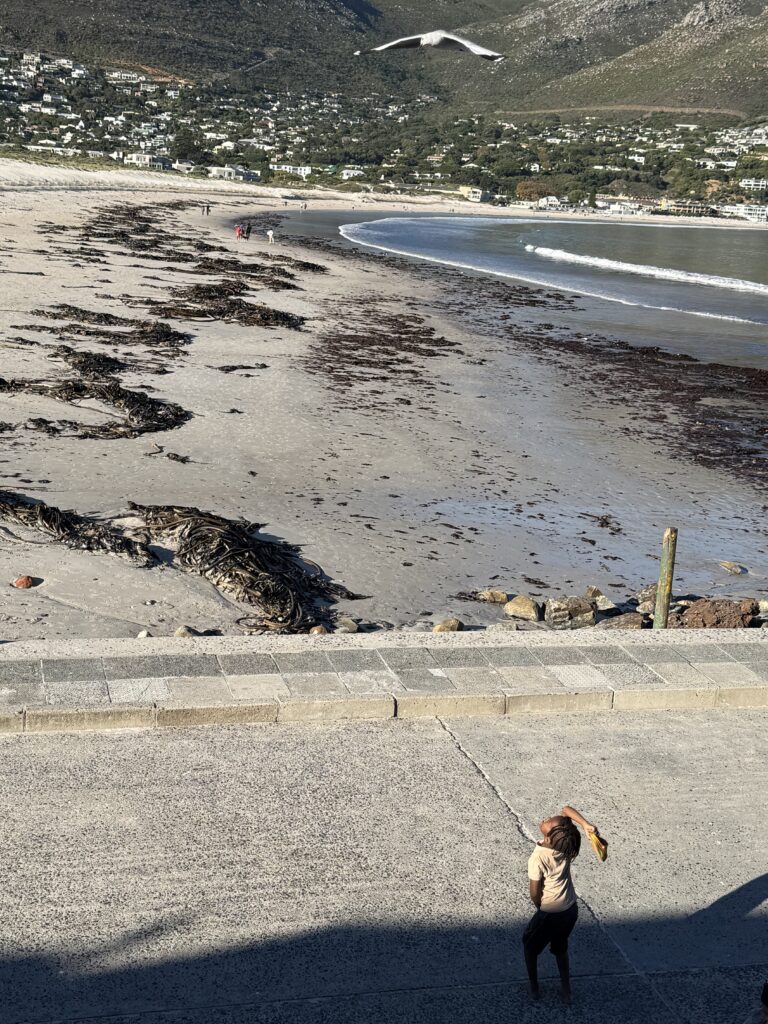
However there is an undercurrent here, residue from apartheid that is evident daily, and you can’t visit South Africa without considering race. Beggars on our upscale street, a mother with a baby and then 2 children, solicit me in my short walk home with embarrassingly burgeoning groceries. There are the impoverished standing in the car lanes at many street lights with signs, the self-proclaimed parking attendants who safeguard your car for a few Rand, and our apartment guarded by a six foot fence topped with barbed wire plus a metal folding gate in front of our locked door, all raising the tenor of tension. Every person I spoke with about South Africa gave me the safety talk, including our airport transfer upon arrival, and our car rental company outlined how to get to the airport safely while passing the townships in addition to the drumbeat to always keep car windows closed, lock the doors, keep your purse stored safely, and don’t drive at night. Carrying caution with us daily, I wondered how much of the worry was in my head vs reality, but when a restaurant staff said he’d seen me walking alone on the streets without Brian and showed concern, I knew the worry was real. Our South African dining neighbors in a posh restaurant ask “Why did you come here on holiday?” We explain the natural beauty, the similarities to California, and our broader journey, and he responds “It’s all fine in this nice restaurant but it’s a mess out on the streets.” There’s a lot to unpack here and we contemplate it daily, even more so in my boot as I’ve become the gimpy gazelle, and we know what happens to them. I found reading Born a Crime by comedian Trevor Noah to be both entertaining and educational, hearing about his upbringing in Johannesburg as a colored (mixed race), his time living in a township, and the poverty he experienced and the constant hustle it instilled in him, and it is helping me interpret this country through his perspectives.
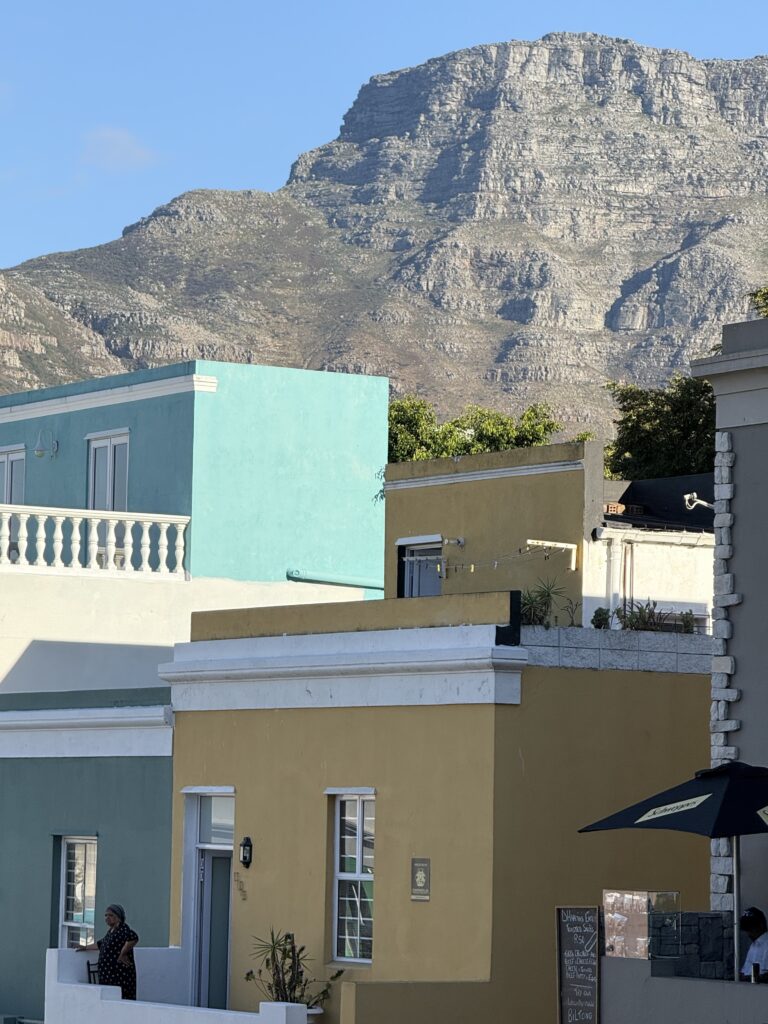
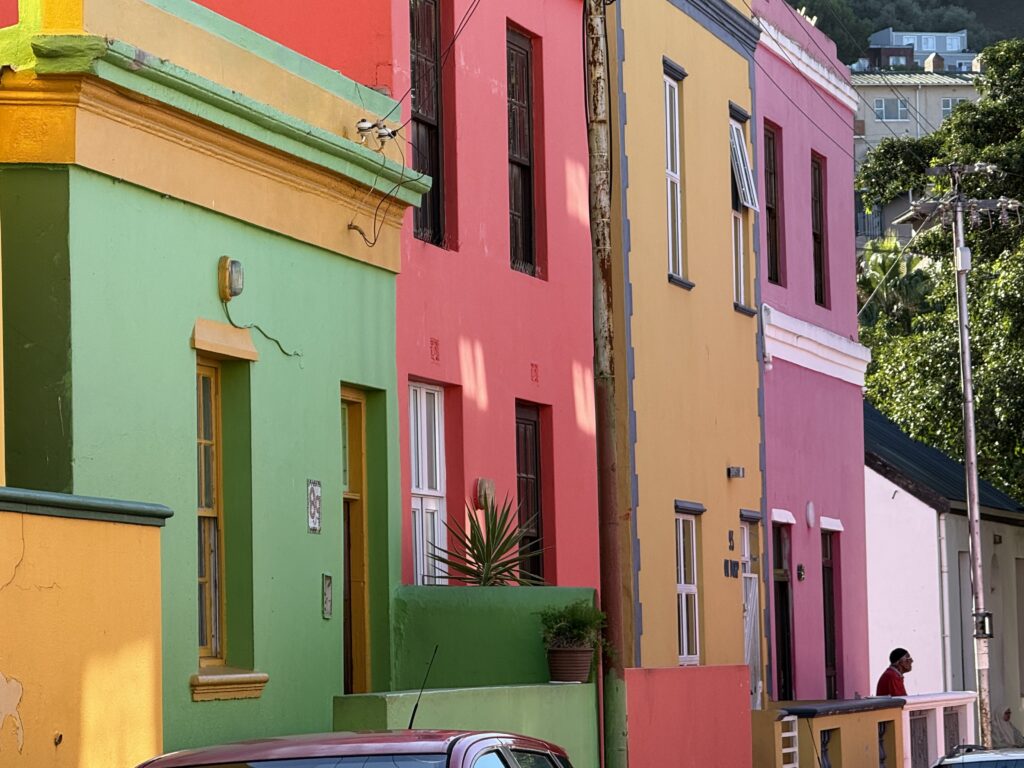
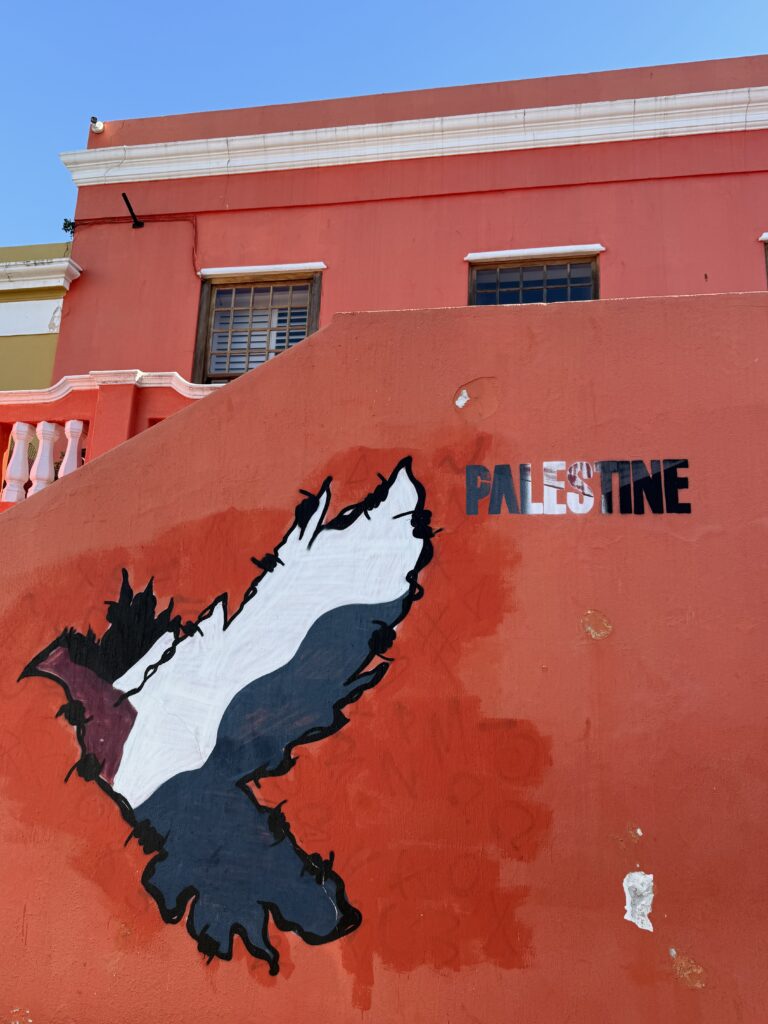
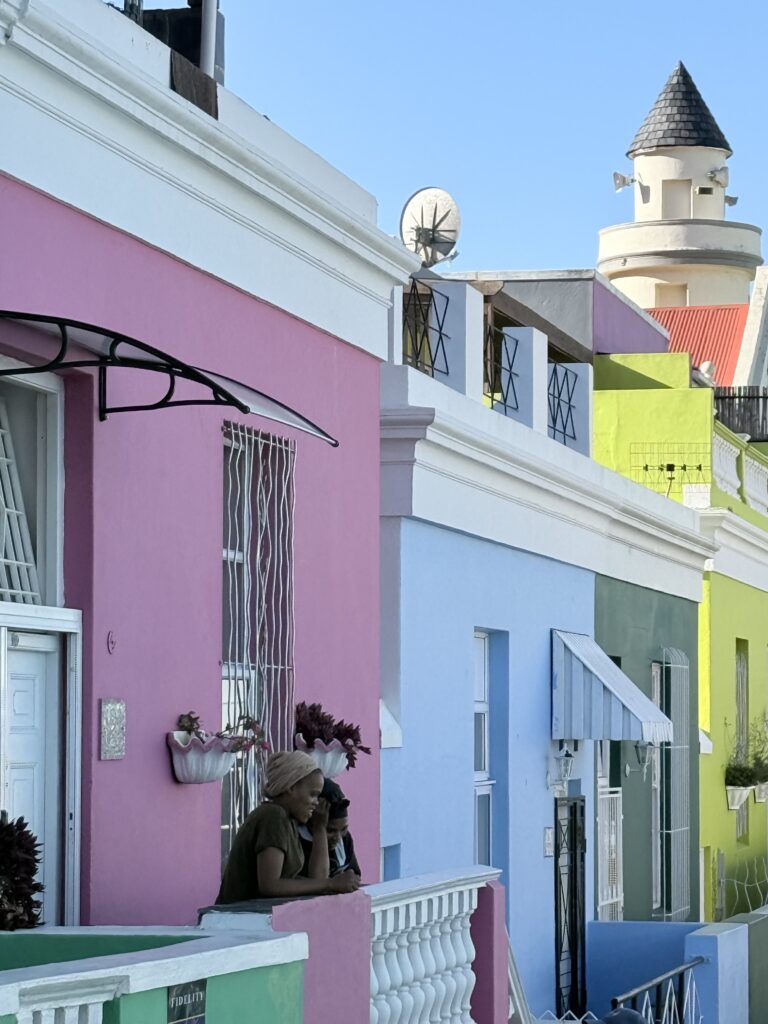
As Brian rests, I do some sightseeing with a small tour group, where our guide demonstrates the Xhosa clicks with a tongue twister. The European invasion started in 1652 with the Dutch East India company setting up a “refreshment station” in Cape Town for their seaward journeys, followed by the British seizing lands in the late 1700’s. The Europeans brought with them slaves from eastern regions – India, Malaysia, Indonesia and beyond – as the local tribes refused subservience, which is how the area developed a fusion of European and Eastern cultures and bloodlines. Like at Ellis Island, slaves were renamed upon arrival, typically with the name of their former country or the month they arrived, which is why you might encounter someone named Mr April. We visit colorful Bo Kaap where former slaves owned houses once they gained property ownership rights in the late 1800’s when homes were regulated whitewashed. When Nelson Mandela visited as President in 1994, he allowed Bo Kaap to paint their homes, to which they responded with wild abandon showing their joy of freedom colorfully. The Bo Kaap neighborhood was also settled by Muslims and there are 14 mosques in the area along with plenty of Pro Palestine artwork. I also visit the District Six Museum about this multi-racial community which was designated by the government for whites only under the guise of slum clearance in order to reclaim the land and gain control over the non-white community using segregation. Over the next 15 years starting in 1966, the government forced the relocation of 60,000 people, breaking up the community into race-based townships in less desirable locations. It is a grim intro to the horrors of apartheid. Our docent who lived in District Six until age 18 describes parties where blacks, coloreds, Indians, and whites intermingled past the 10pm curfew, hitching a safe ride home in the back of the 4am milk truck. As a grown up during apartheid, she’d visit her white friend by masquerading as her housecleaner in order to pass building security.
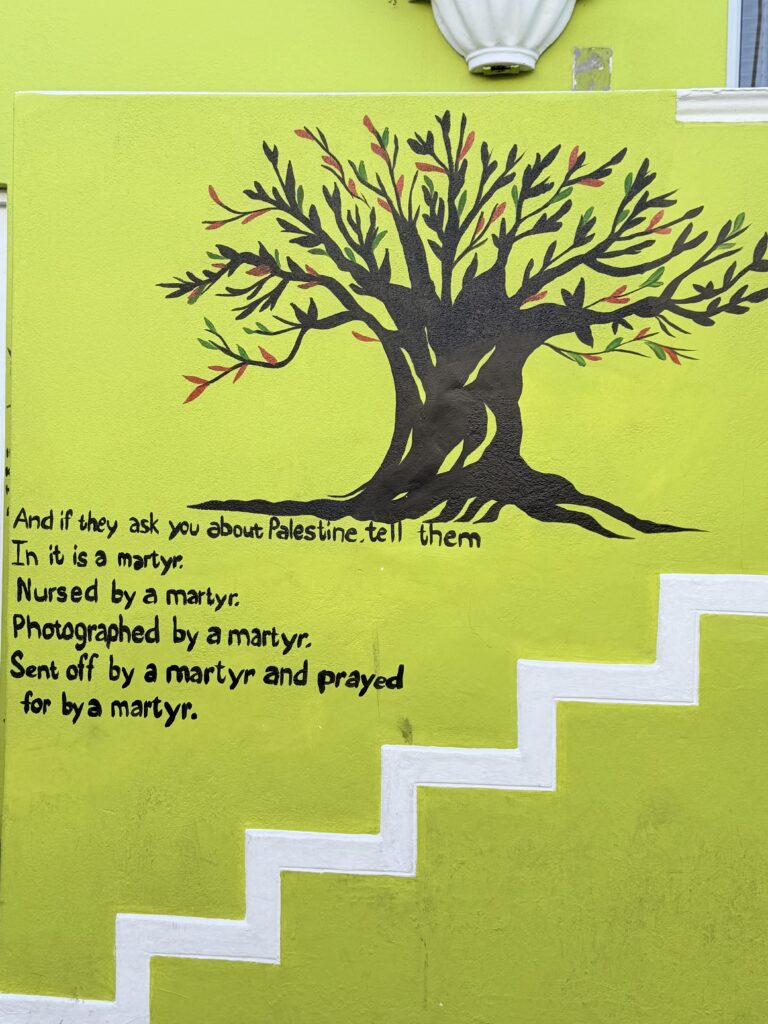
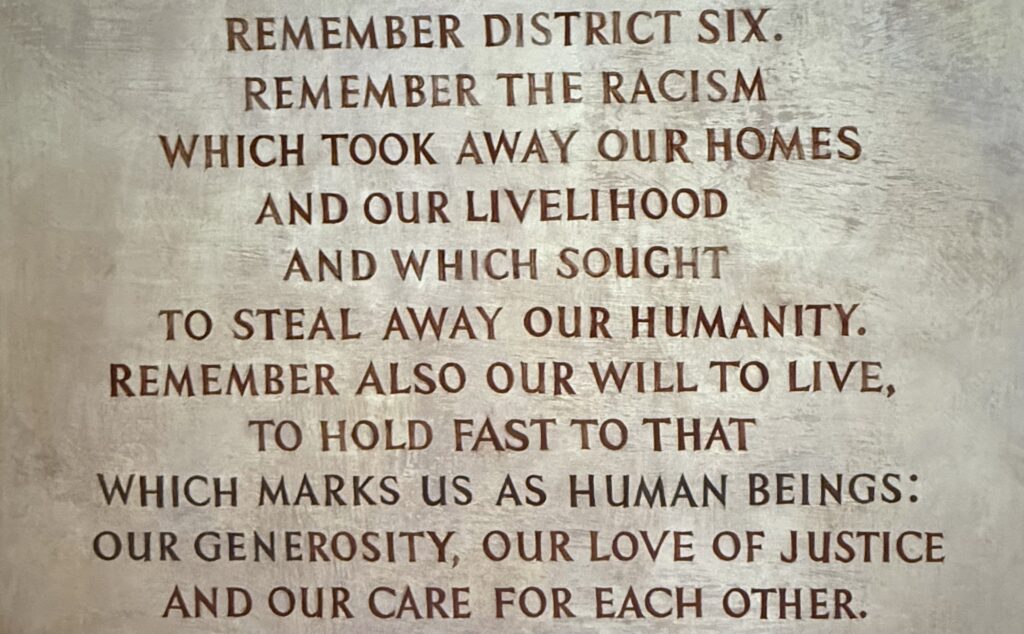
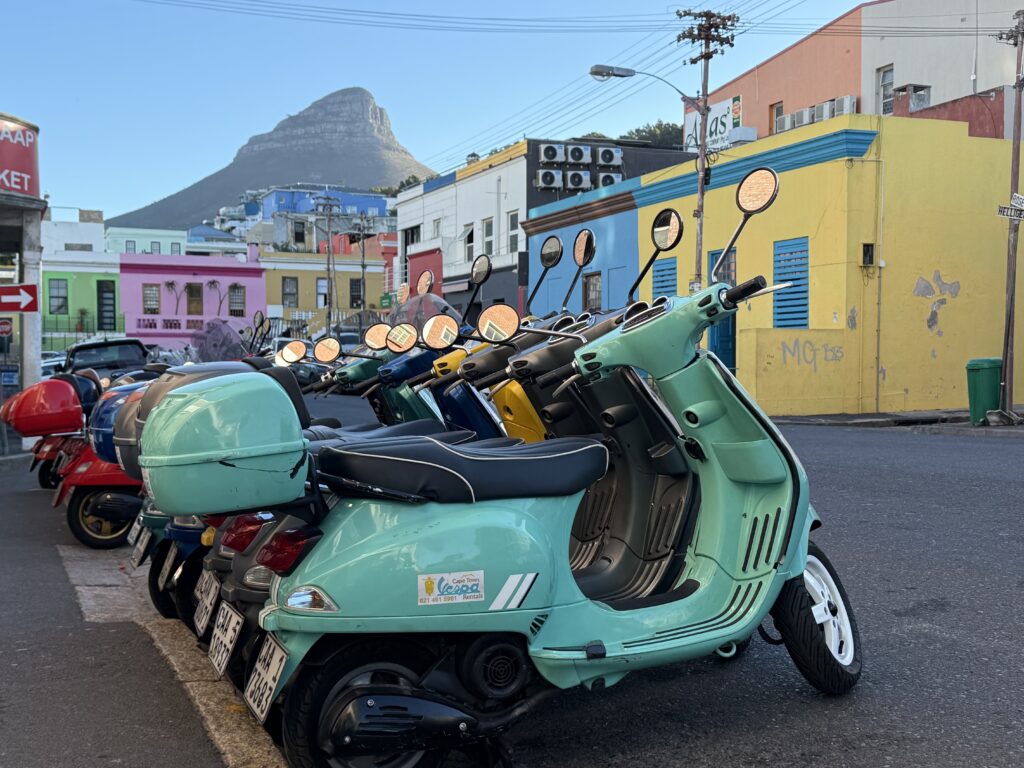
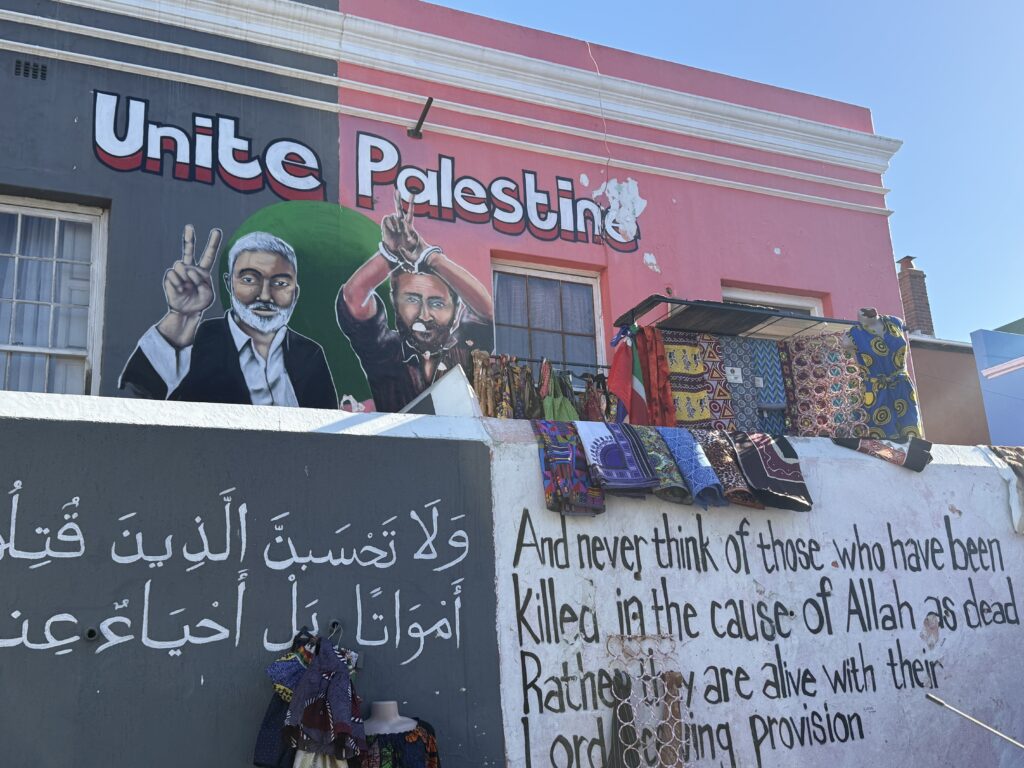
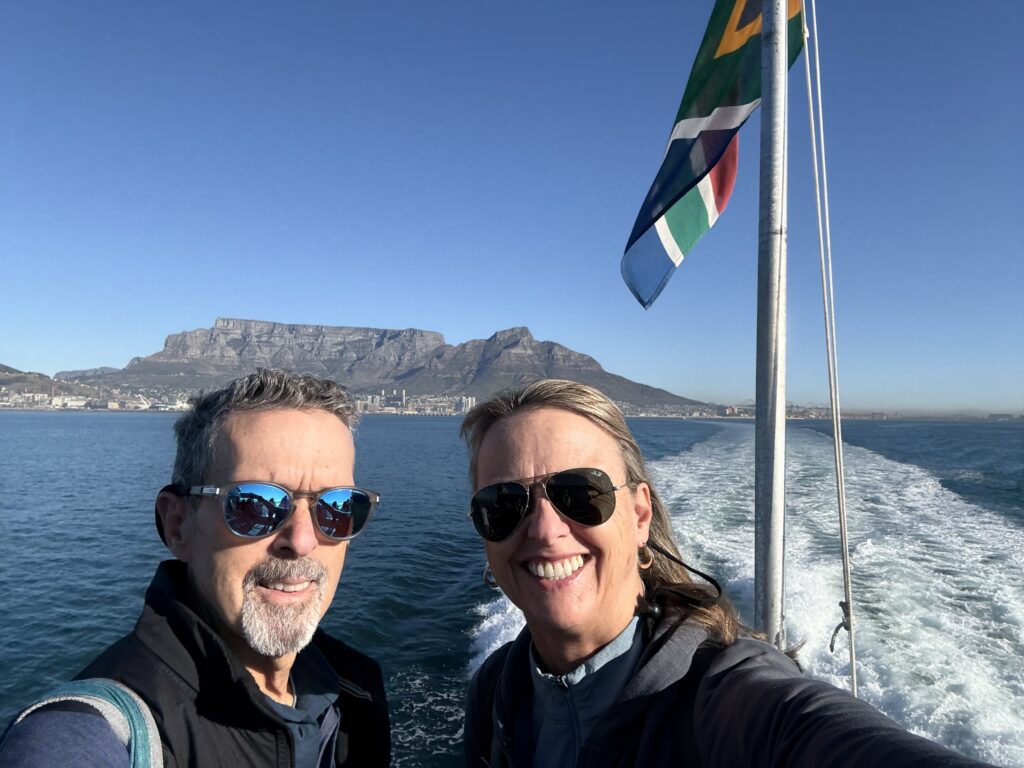
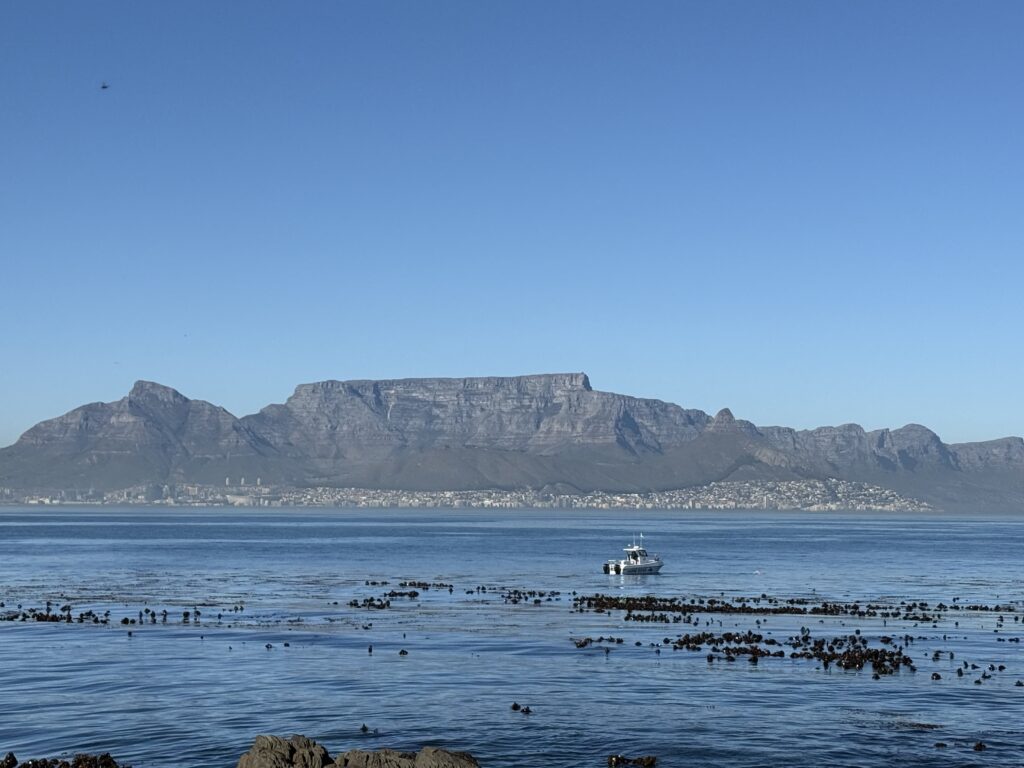
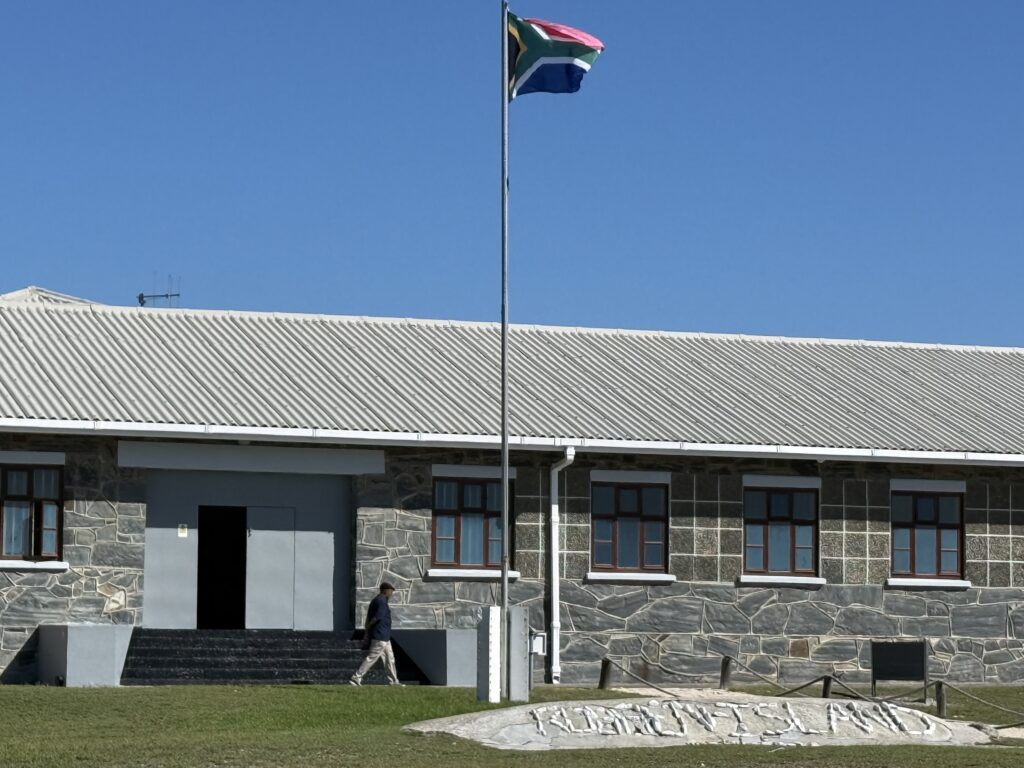
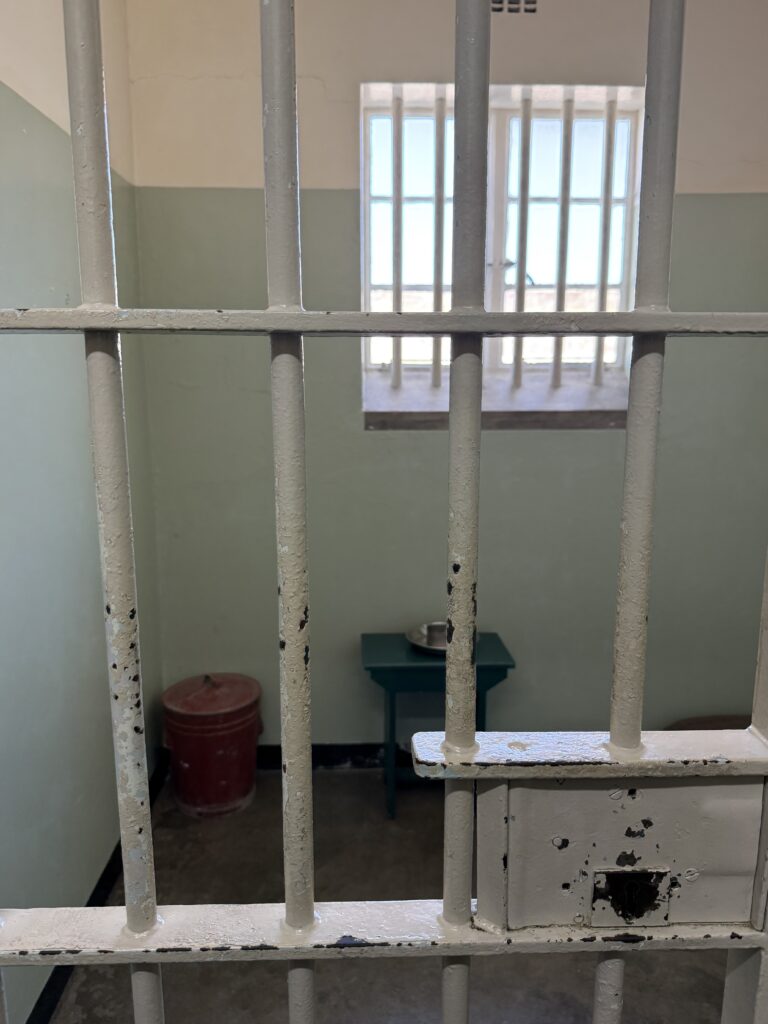
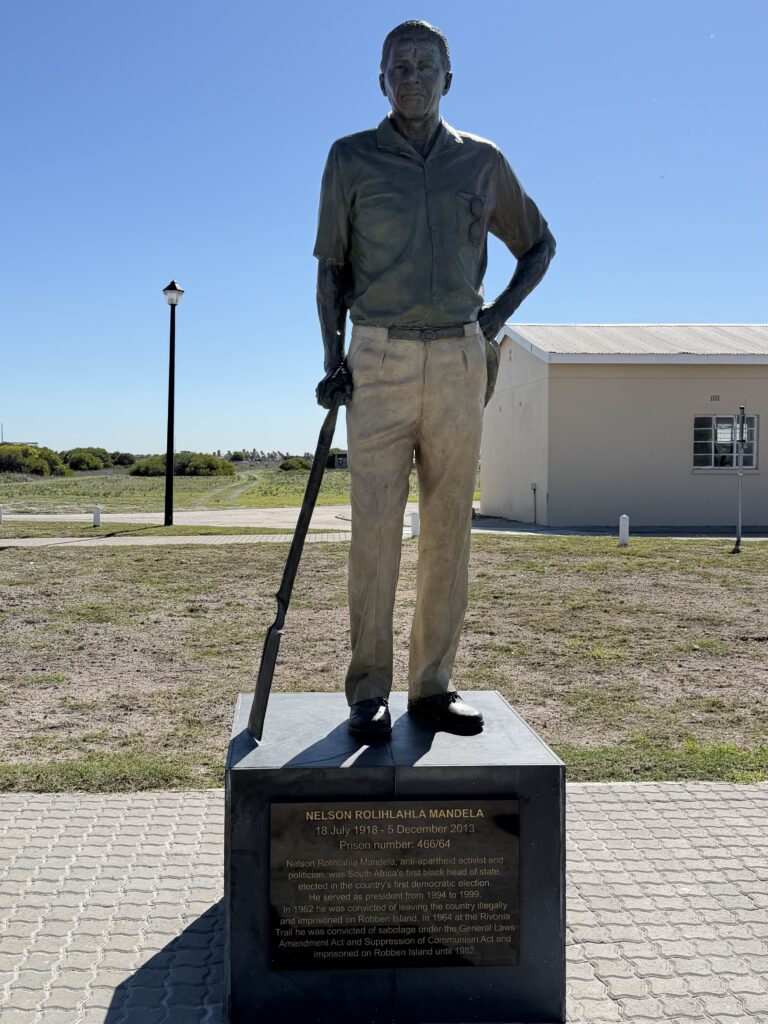
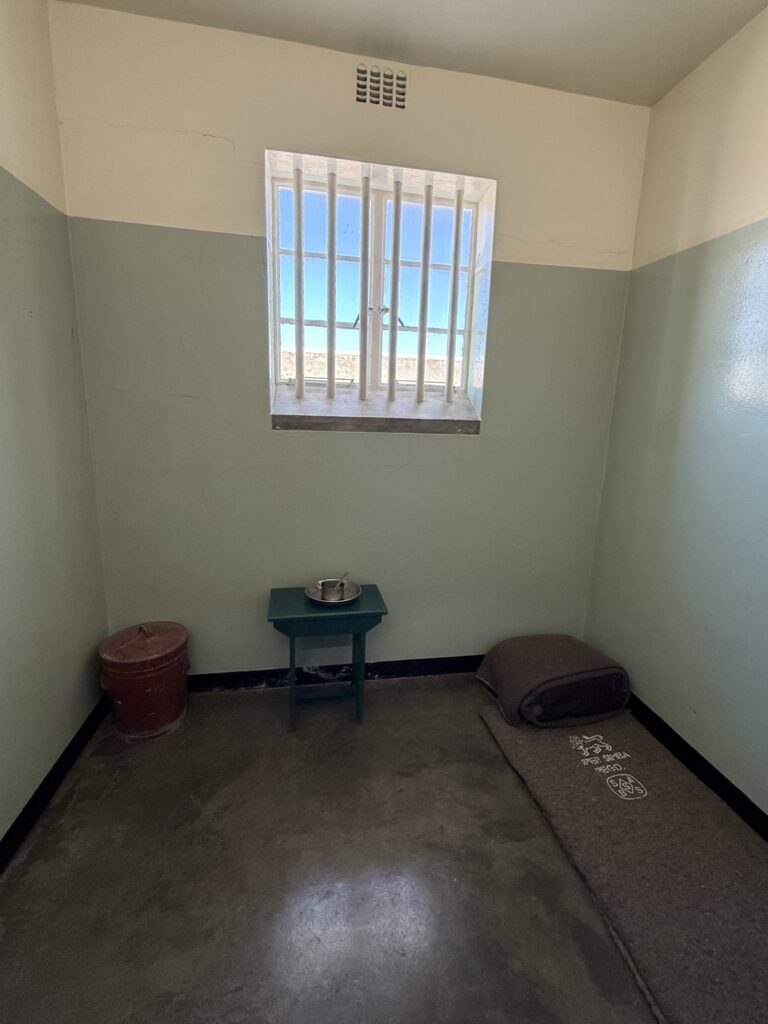
When Brian recovers a bit, we visit the impressive Zeitz MOCAA museum of modern art housed in a remodeled granary. The architecture is fascinating with elevators in the former granary shafts and the artwork emphasizes and educates on apartheid and race relations. We also visit Robben Island where Nelson Mandela spent 18 of his 27 years in prison before being voted in as the first black President of South Africa in 1994, the country’s first democratic, non-racial elections, only 32 years ago. Like Alcatraz, the tour is sobering and the prison portion is guided by former inmates who emphasize that apartheid crumbled mostly due to international demands. Mandela lived in solitary confinement and permanently damaged his eyesight by working in the limestone quarry with no safety gear using primitive tools. Other freedom fighters imprisoned on Robben Island included Stephen Biko (inspiration for Peter Gabriel’s 1980 anti-apartheid song “Biko” and the 1987 movie Cry Freedom with Kevin Kline & Denzel Washington) and Robert Sobukwe, both of whom died due to their harsh prison treatment.
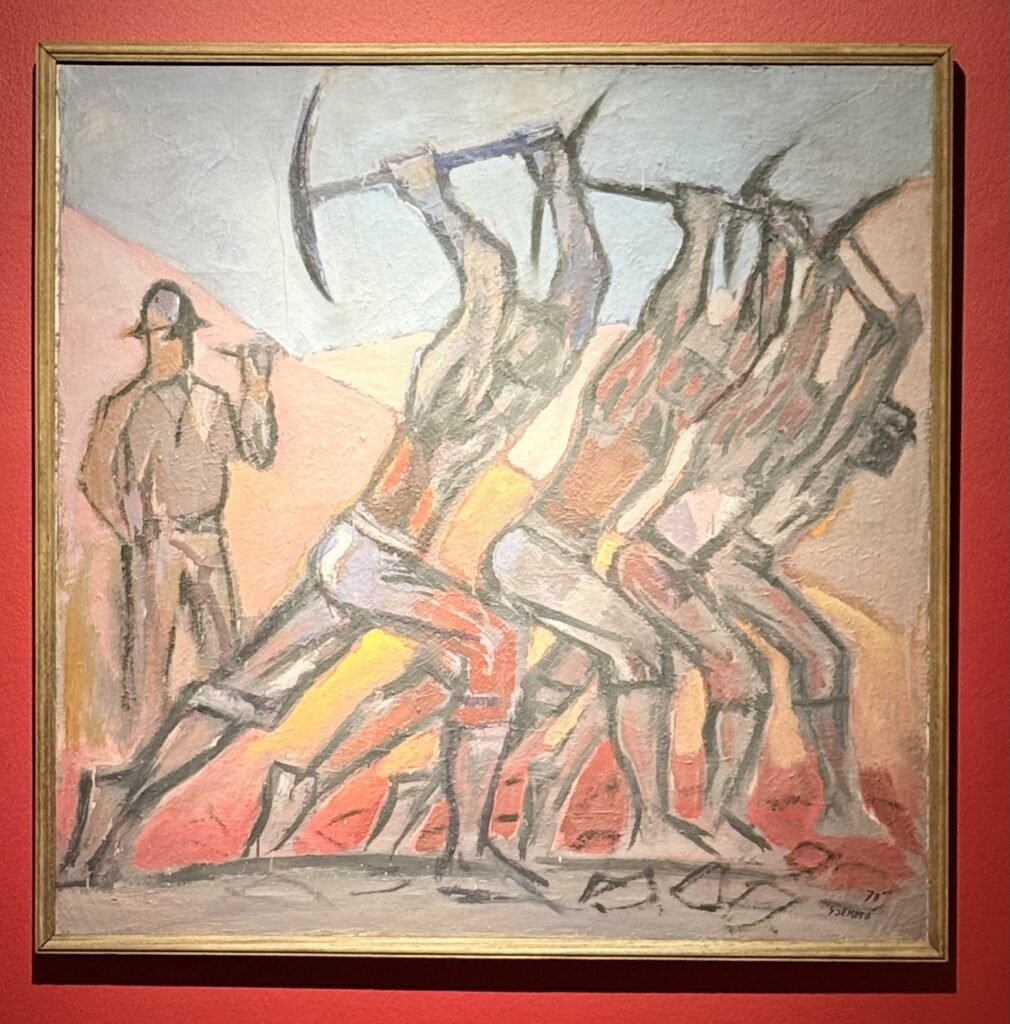
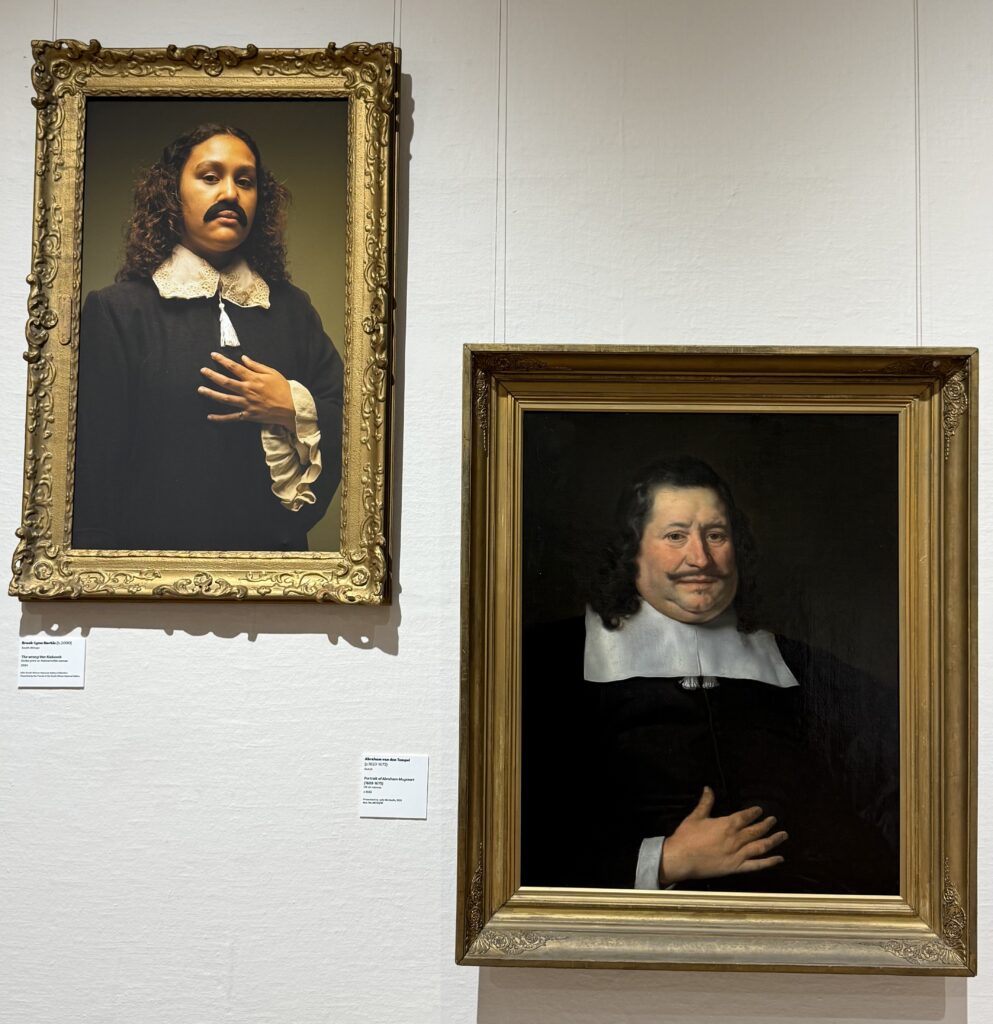
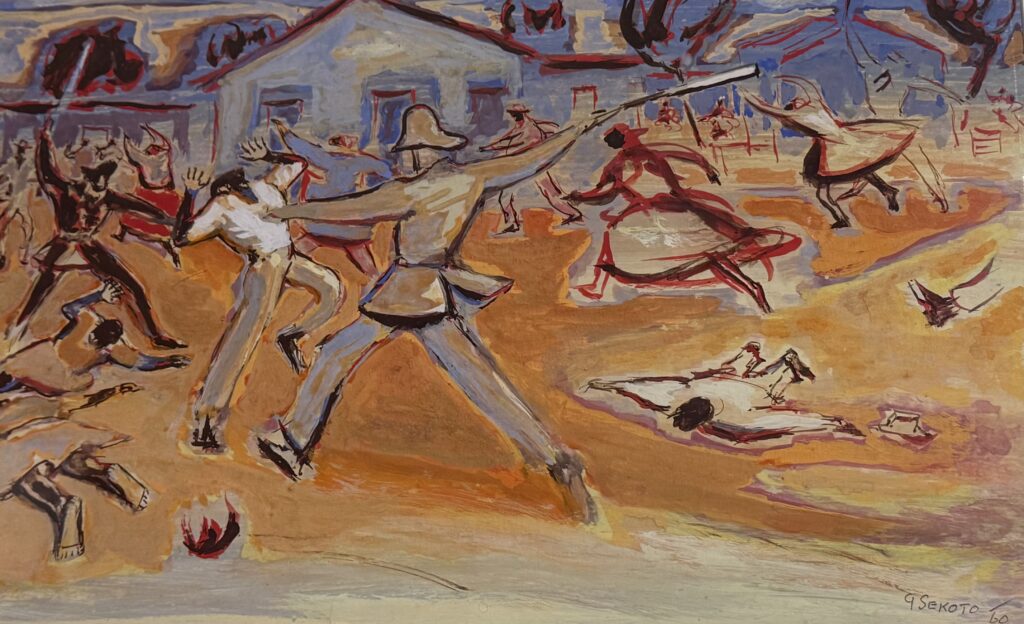
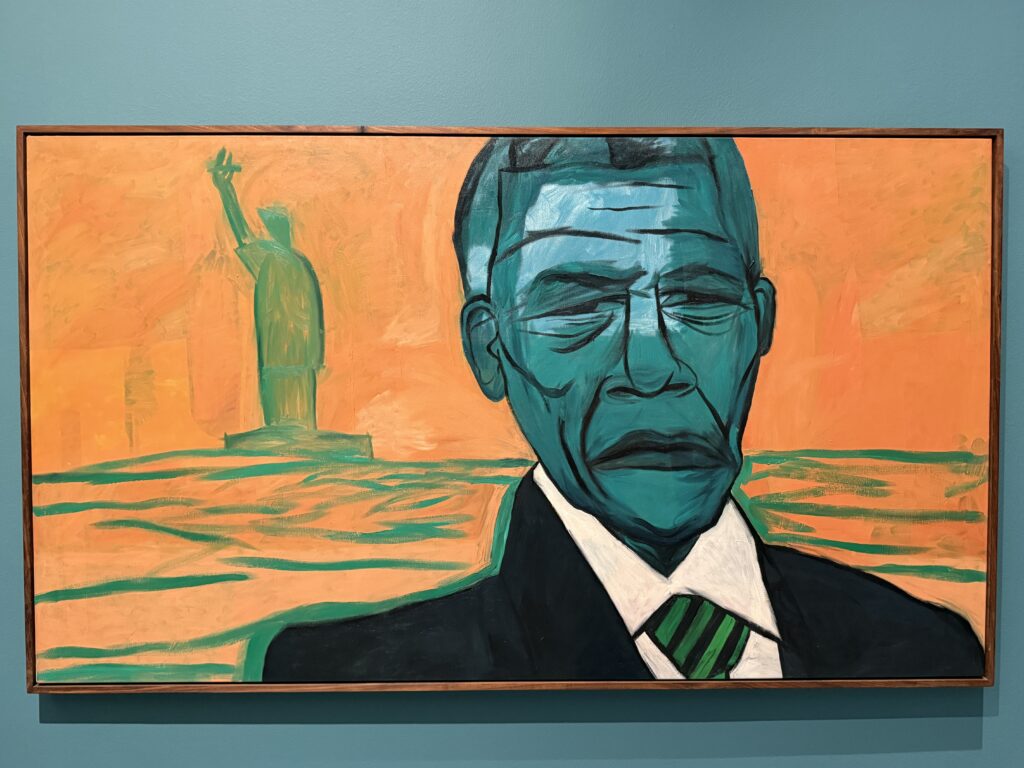
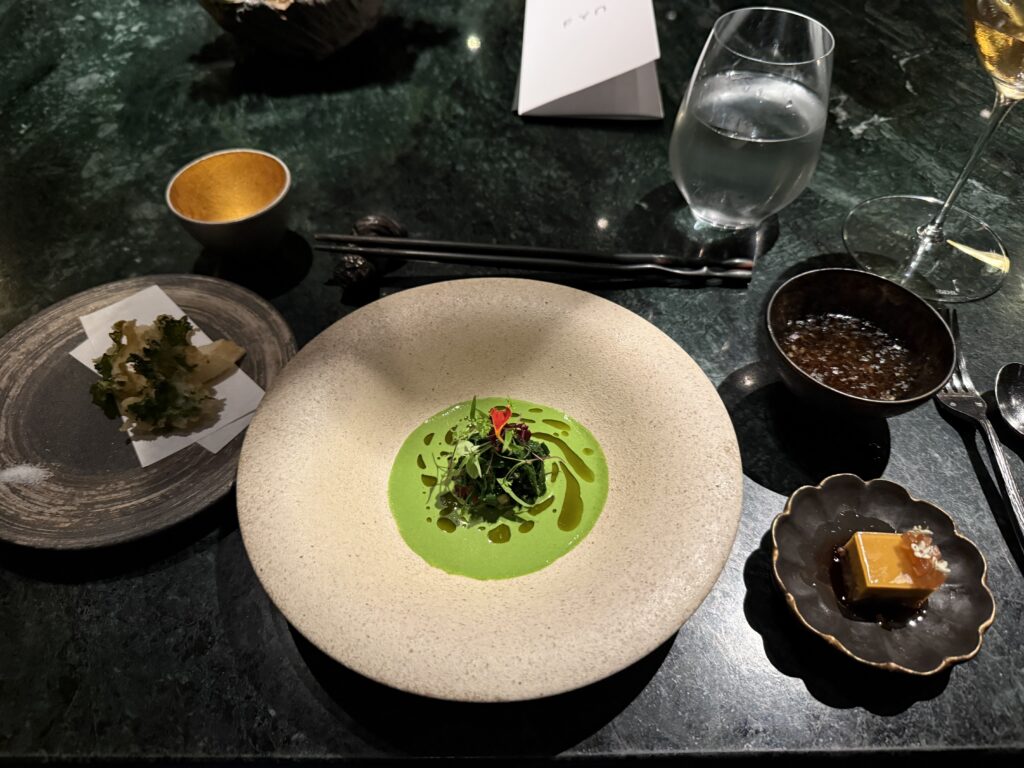
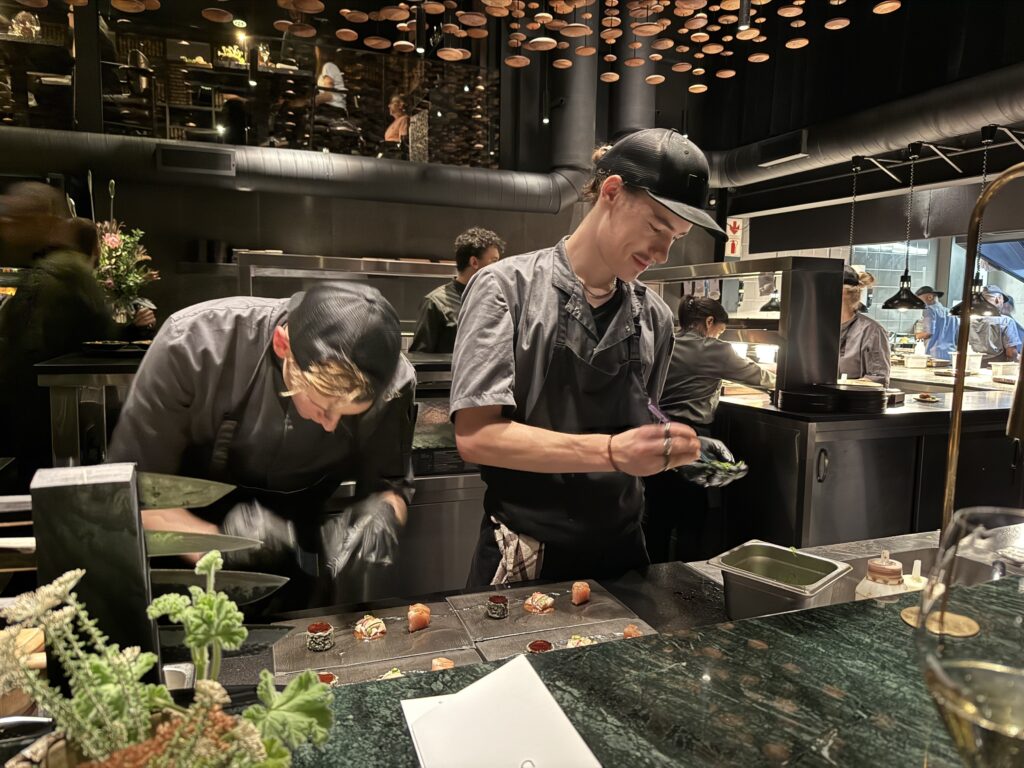
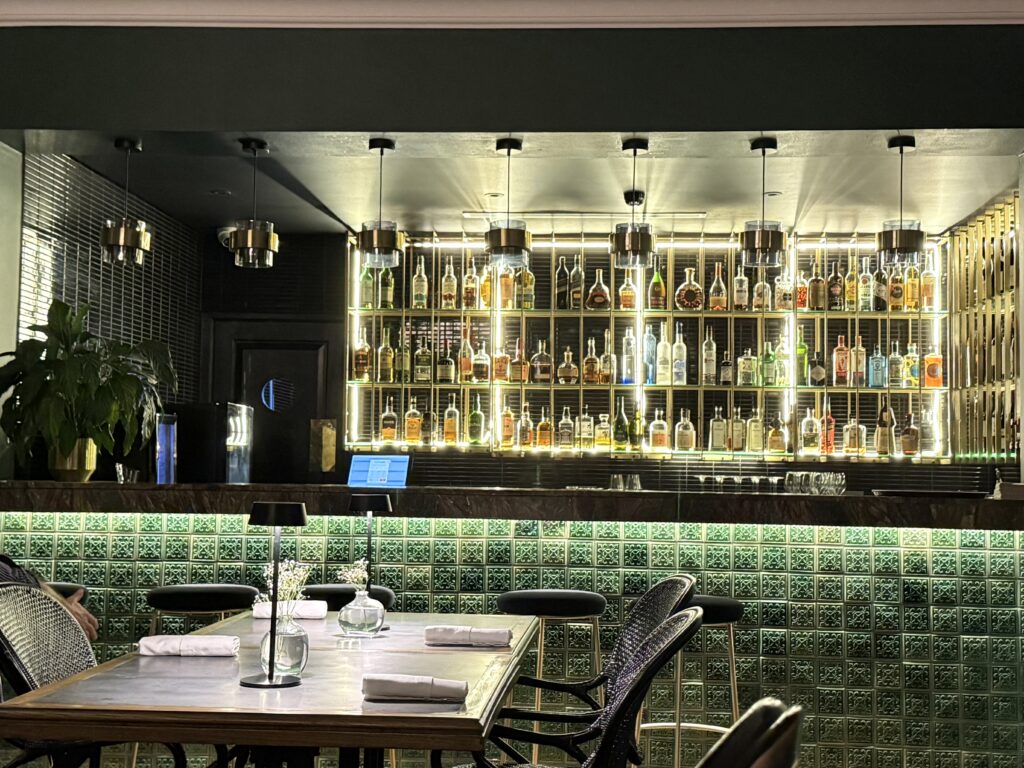
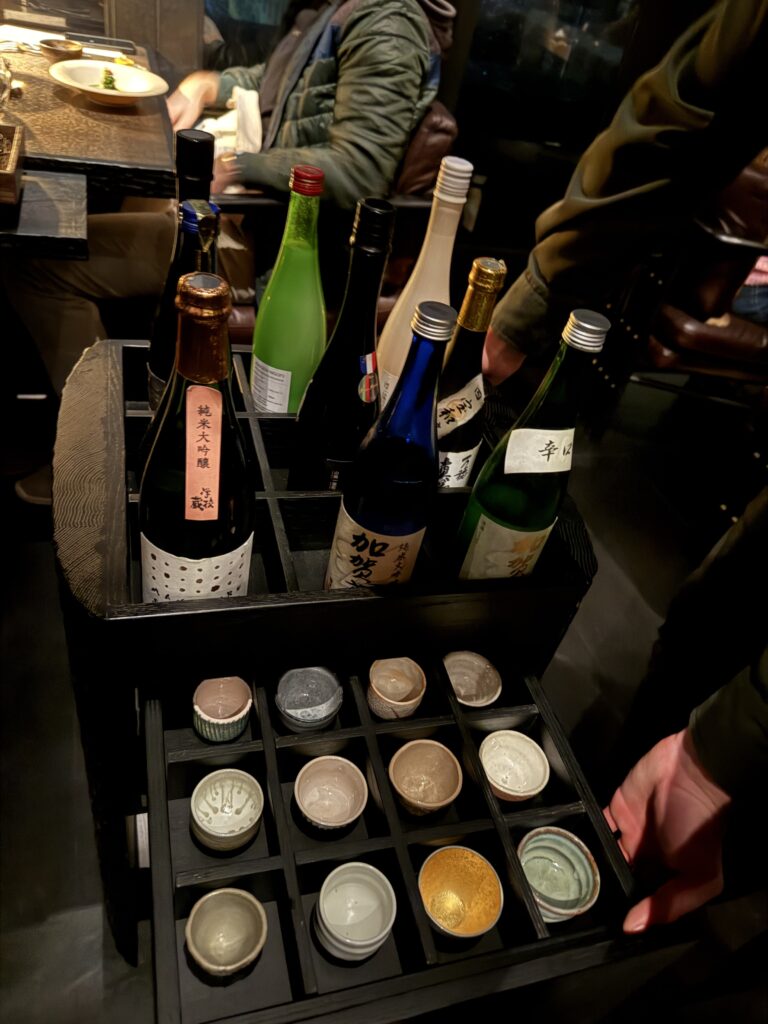
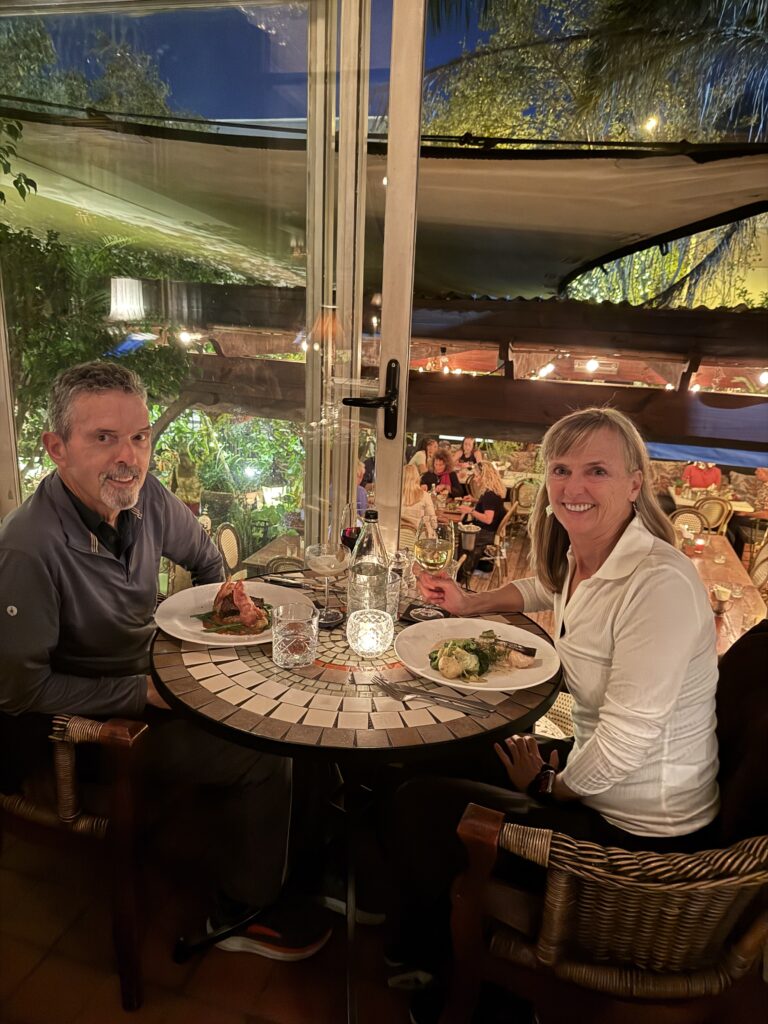
The culinary scene in Cape Town is vibrant and our palates are soaking up the diversity of flavors and the amazing wines – after 10 weeks in Muslim countries, exacerbated by Ramadan, we arrived in South Africa parched! We can now highly recommend pairing a South African Pinotage with a nice ostrich steak! At the high end Fyn Restaurant, we talk geo-politics with our neighbors at the Chefs Table concerning the Chinese investment in Africa where their development loans frequently default allowing them ownership of critical infrastructure and resources such as ports and solar farms. The US is currently investing heavily in server farms throughout Africa which will exacerbate their already escalating water crisis.
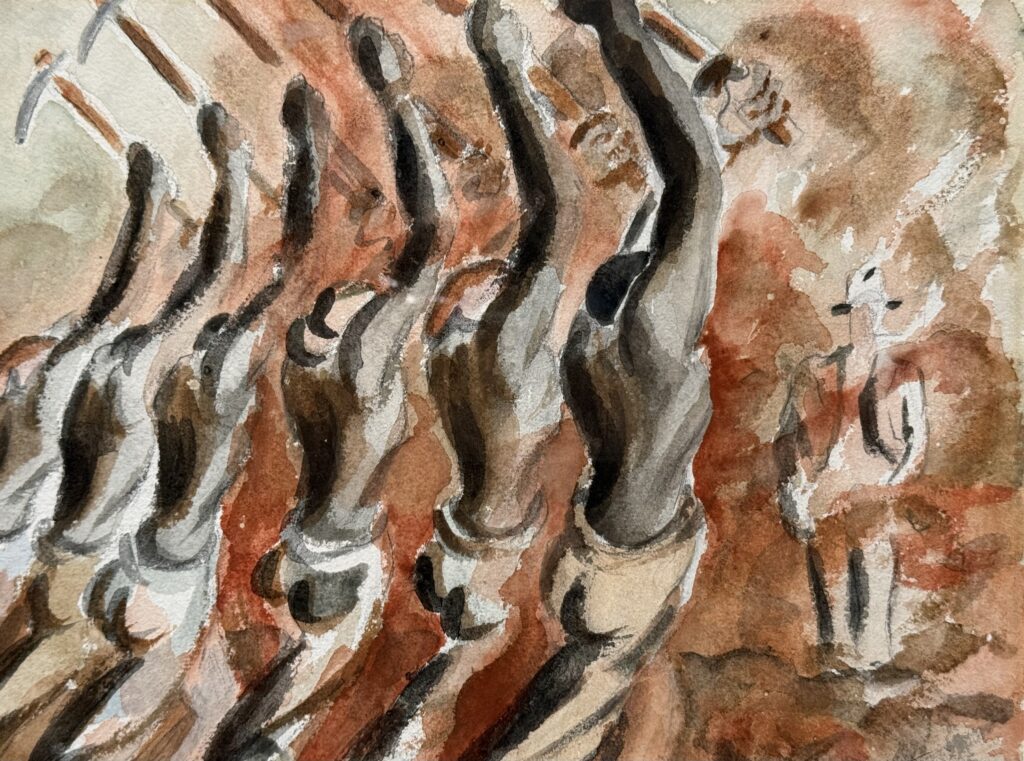
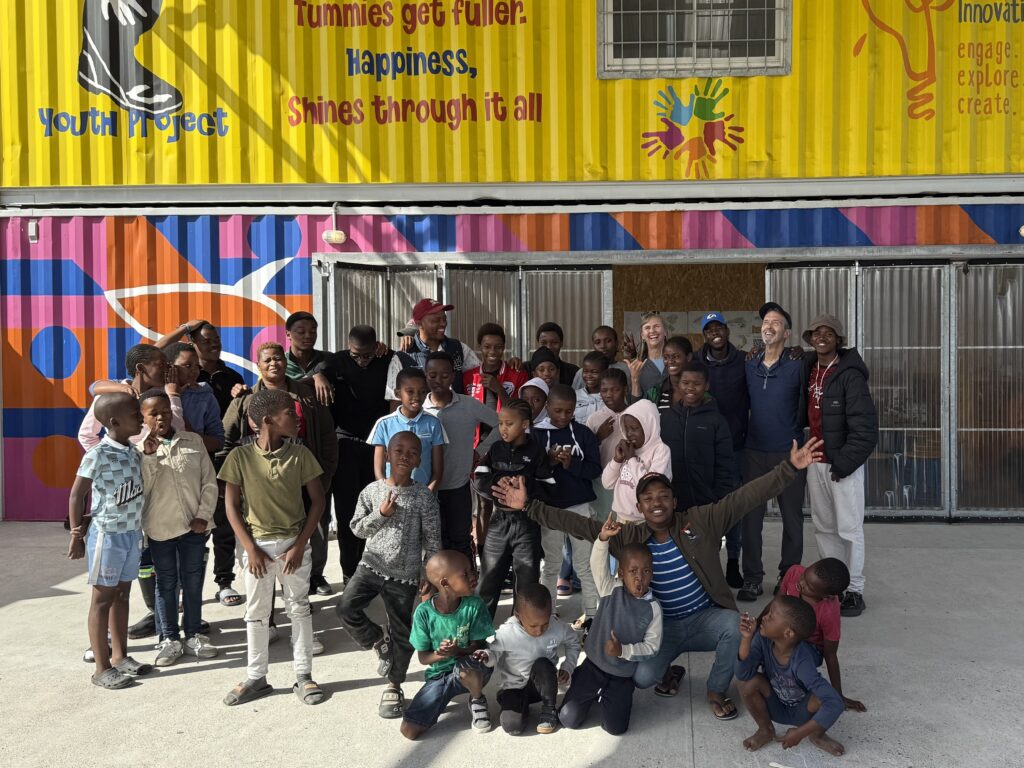
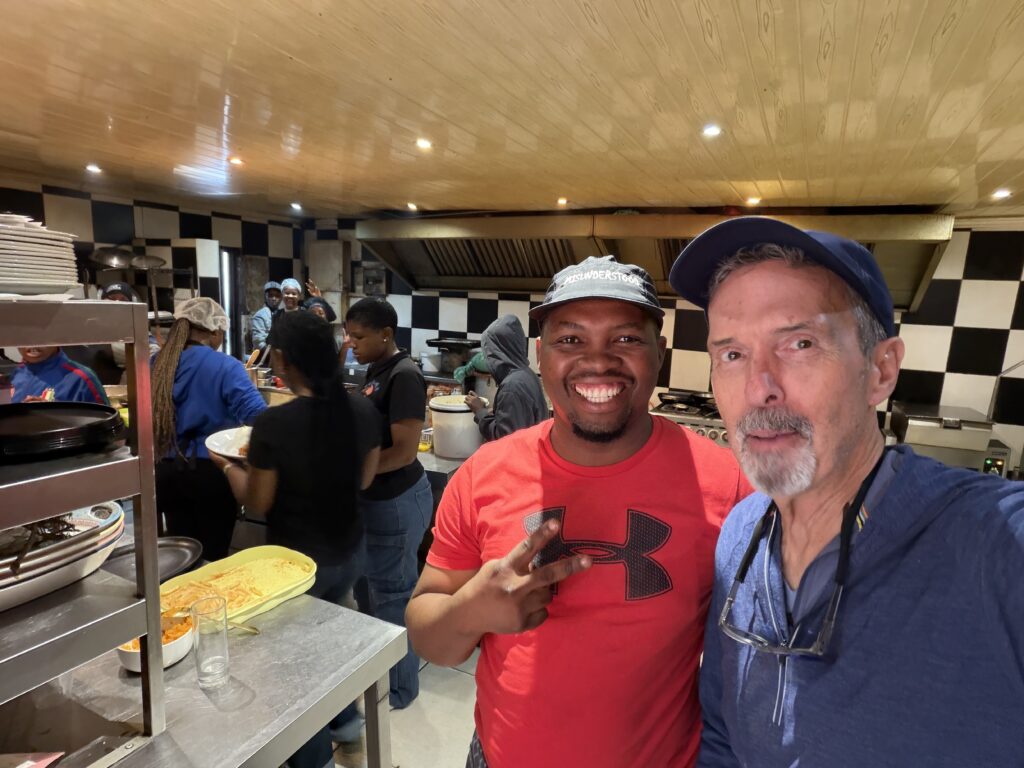
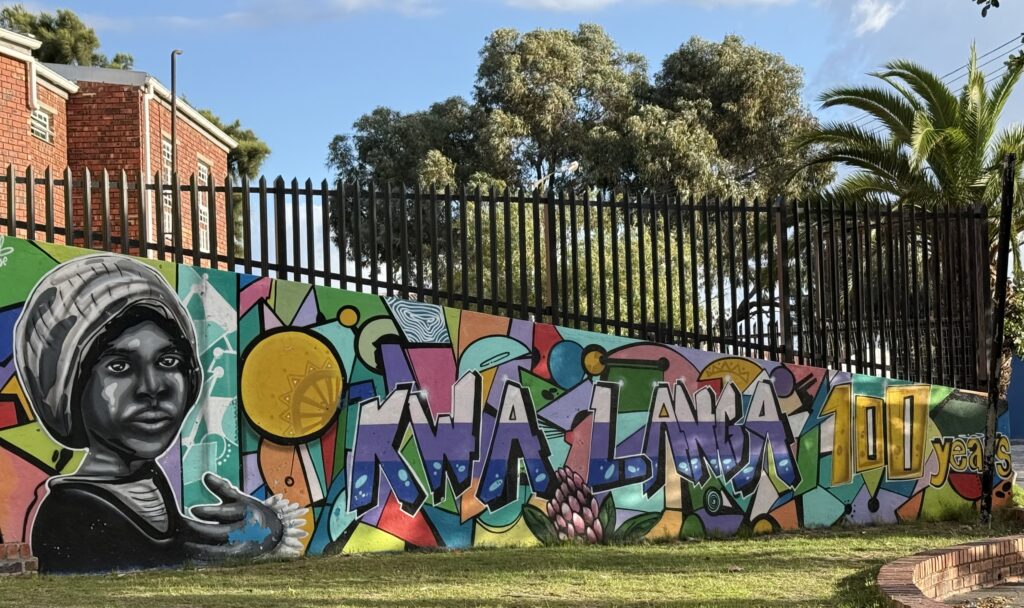
On our final and most impactful day in Cape Town, we visit the Langa Township with Siviwe Tours based on a personal recommendation. Siviwe takes us first to his after school program Happy Feet Youth Project where he provides a learning environment for students ages 12-25, using the older students as mentors to build leadership skills and develop a safe-zone second home. They focus on developing math and English education, nutrition and technology skills, and hope to build out college counseling and sports solutions, running solely on international donations. After introductions, they sing Xhosa songs, hold a math competition with Team Brian vs. Team Susan, and demonstrate Gumboot Dances, developed in the mines in the late 1800’s to lift the miners’ spirits.
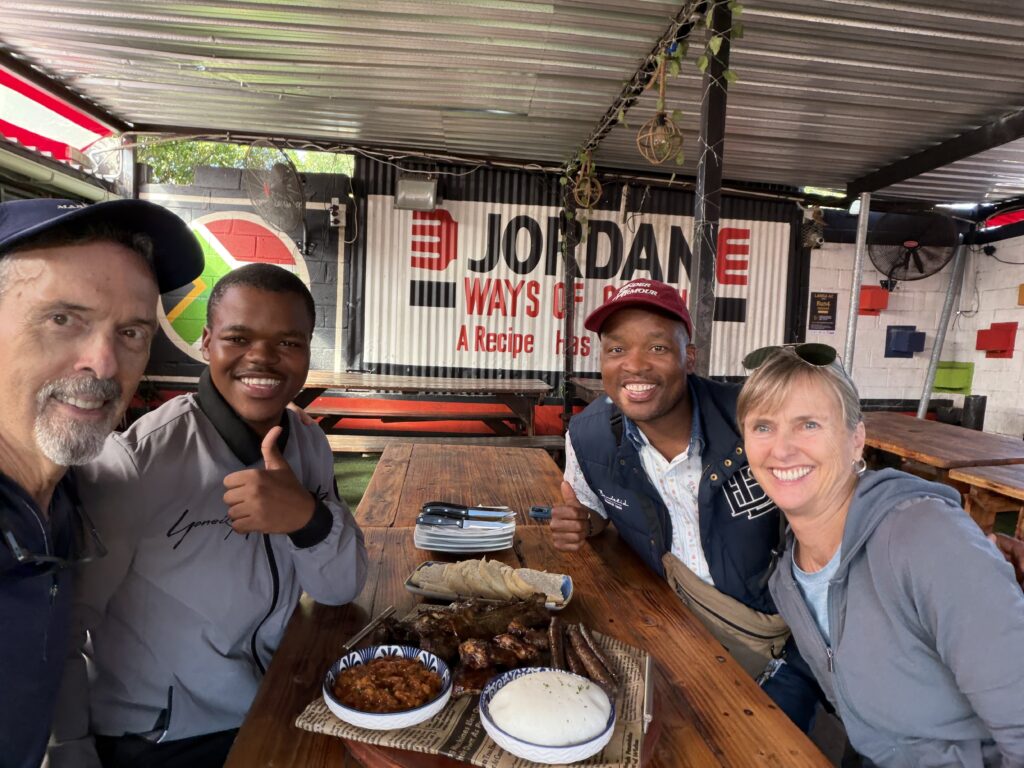
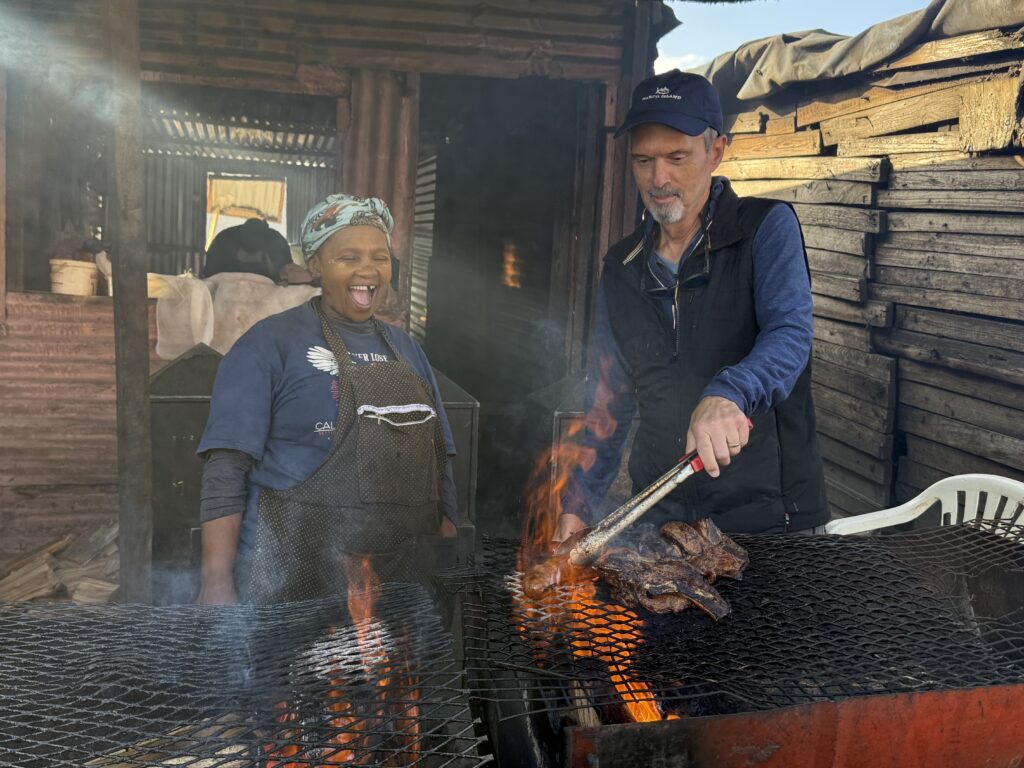
With lots of high fives from this amazing group, we head next to Jordan Ways of Cooking to experience local braai (BBQ) of grilled beef, beef sausage, chicken wings, french fries, mieliepap (aka “pap” much like grits), and chakalaka (relish of chopped vegetables, beans, and herbs), all super tasty.
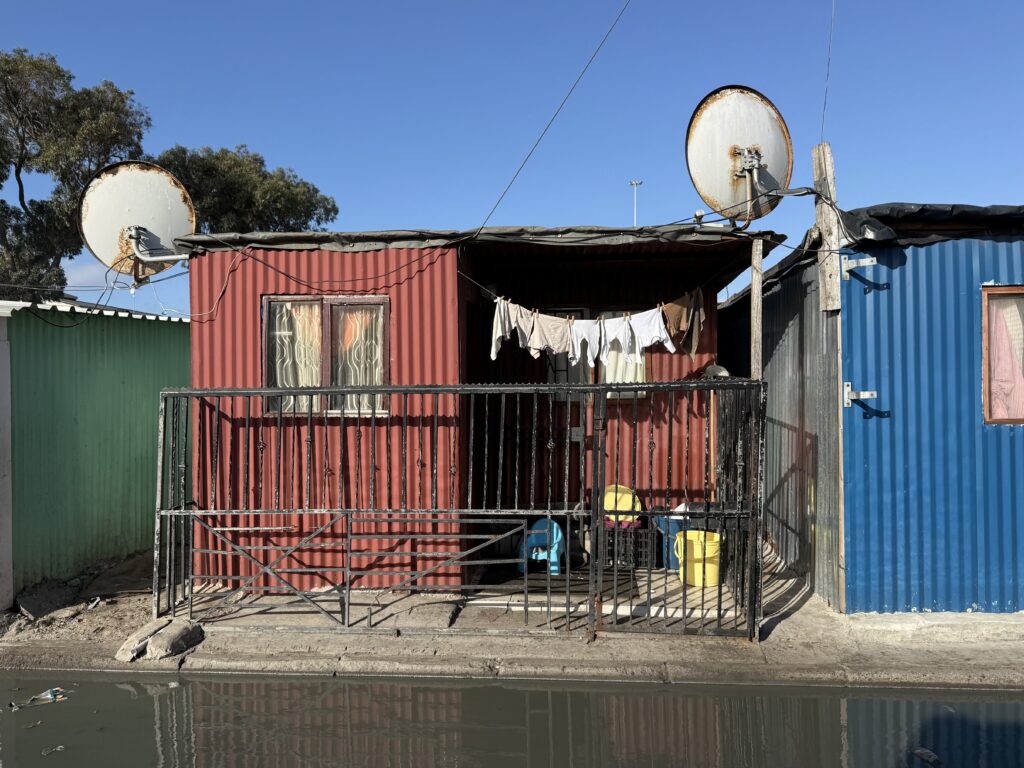
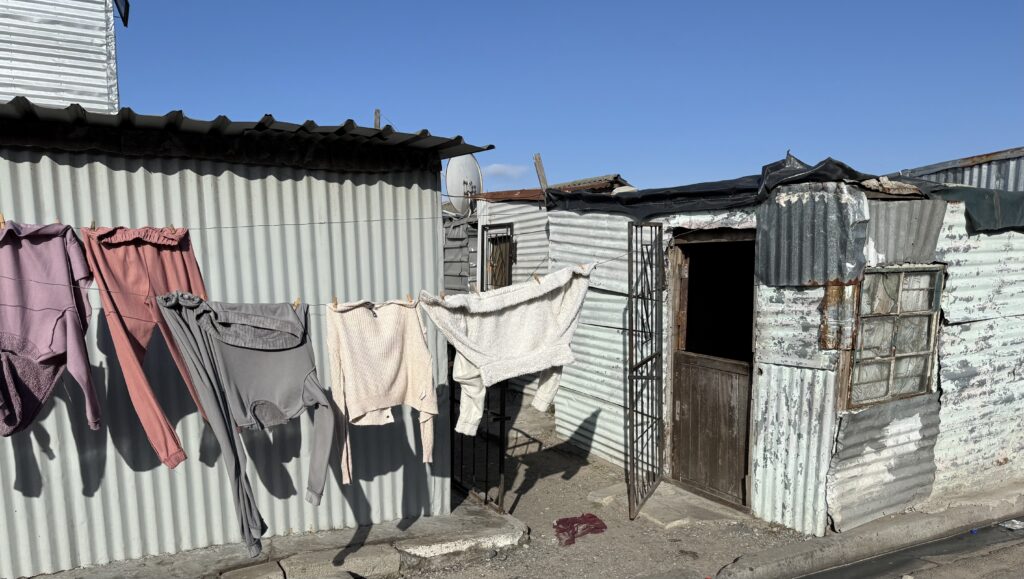
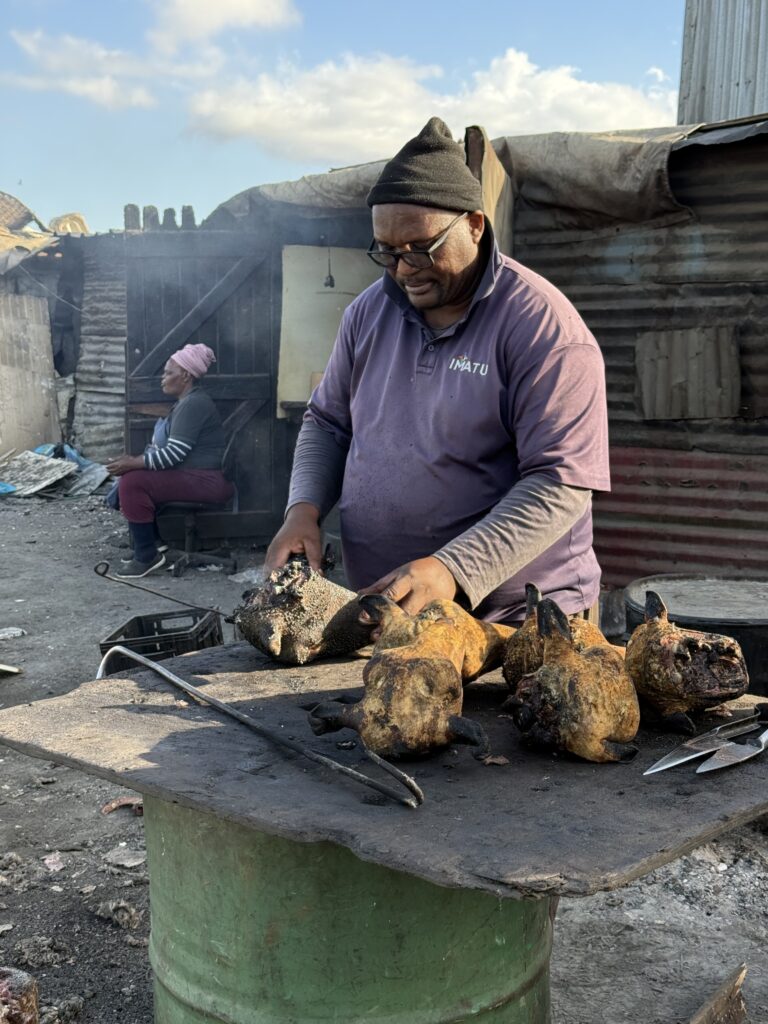
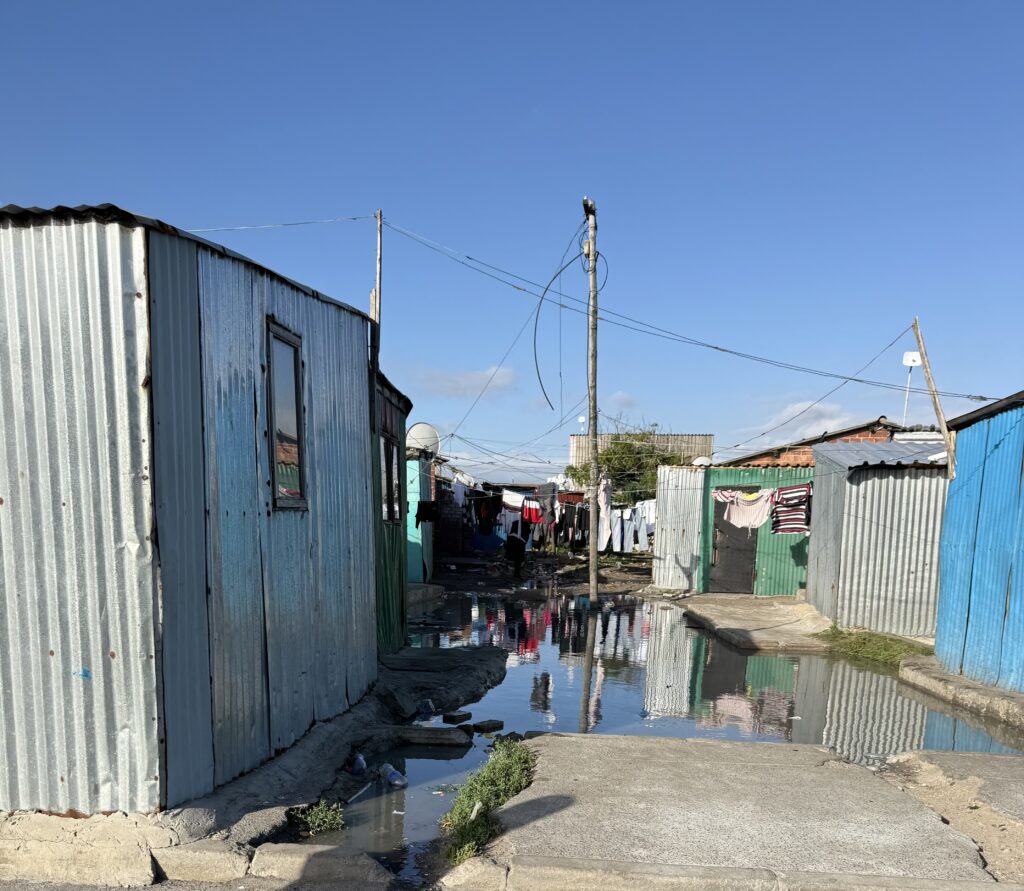
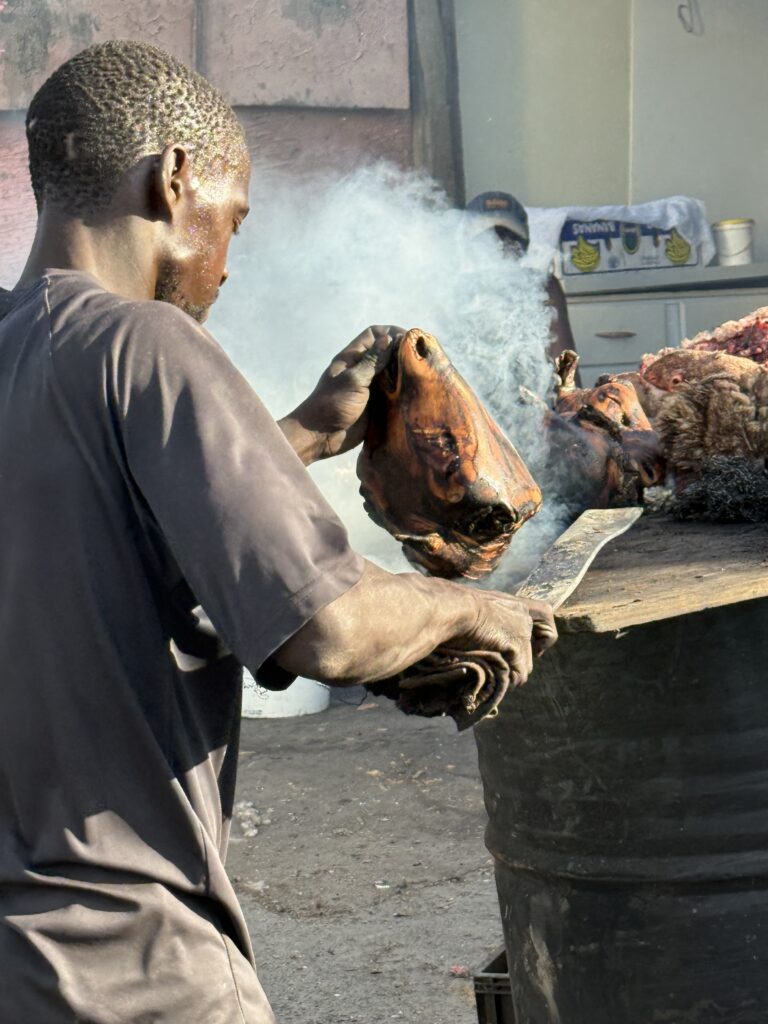
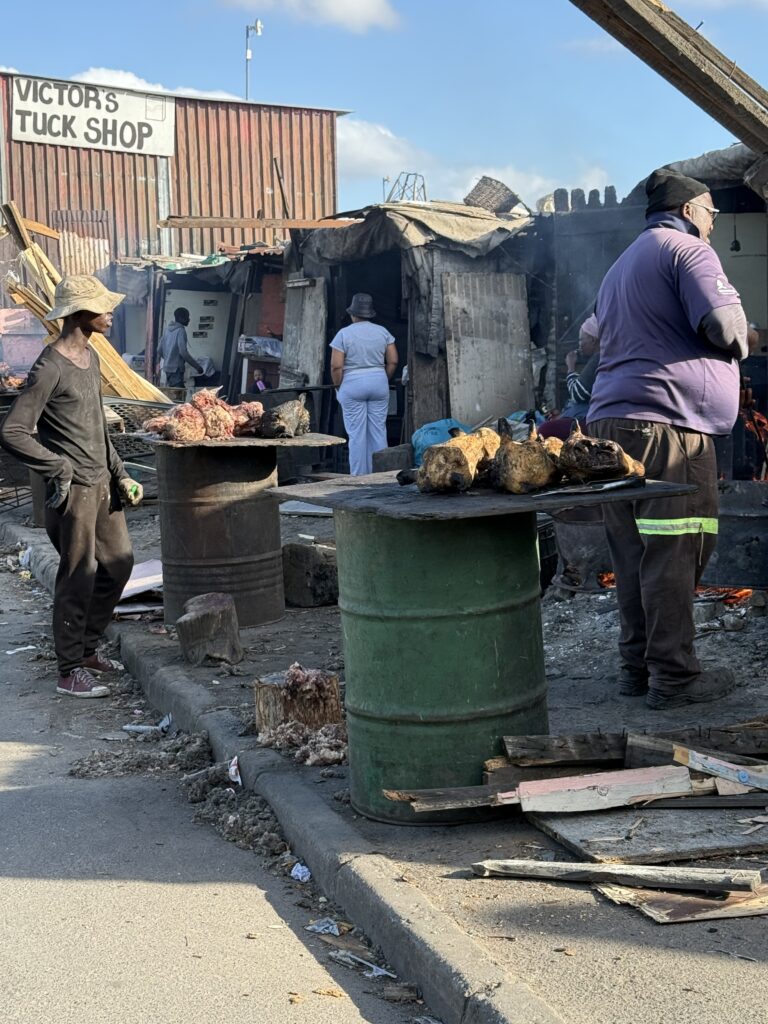
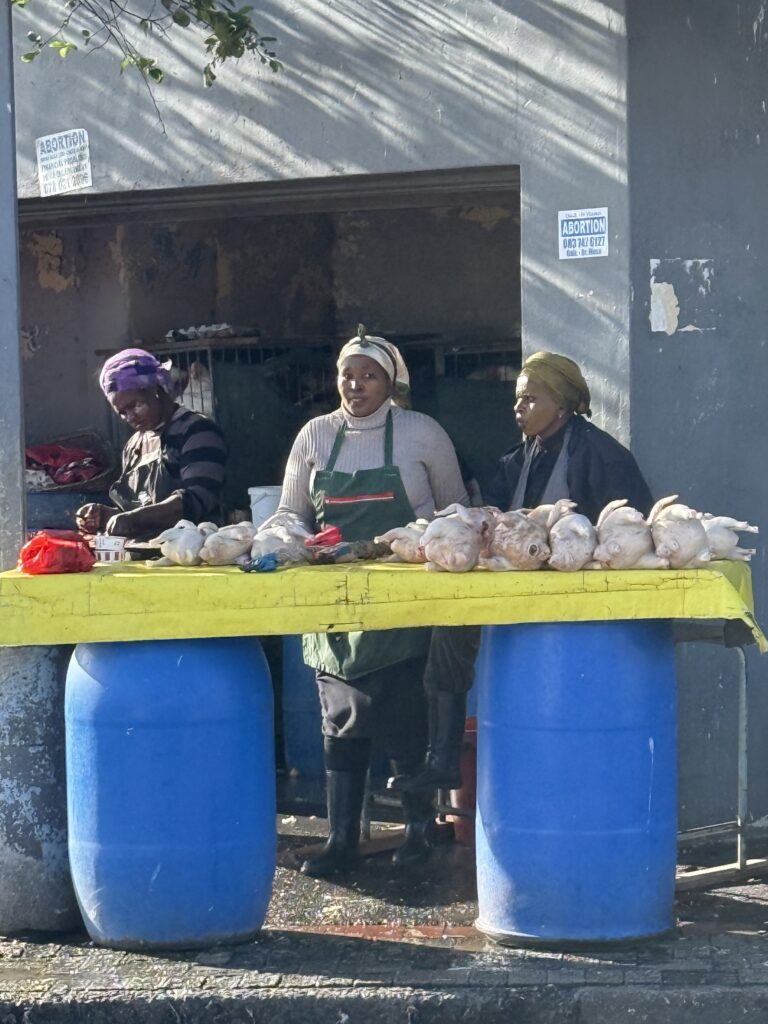
Next we visit the heart of the township as Siviwe points out the different social tiers within the township – lower, middle class, and upper – enabling social climbing within while supporting the township. Visiting the lower class is gut wrenching to see, however Siviwe explains the tight community bonds which shun begging and crime as shameful to the family. As the oldest township started in 1923, Langa is surrounded by physical barriers – power lines, highways, and railways – to entrap the community as a control technique during apartheid, with only men being allowed to live there for work purposes, adding to family stress and police control. When families were allowed to relocate in the 1980’s, Langa burst at the seams, causing them to build haphazard housing stock cheek to jowl in this physically restricted environment. We pass through the minibus station as the communal heartbeat connecting the township with the outside, the braai street grilling up a storm on this Saturday or Braaiday, and the sheep’s head prep and cooking area offering a vital food source, shipped in raw form as leftovers from New Zealand and Australia, and mentioned by Trevor Noah in Born a Crime that he grew to dislike eating skop during his family’s poorest period. The upper class homes of doctors, lawyers, and other professionals have front yards and modest walls without the barbed wire or security methods found elsewhere, since they are respected for their decision to stay and invest in the township. We discuss current politics with Siviwe who supports the ANC (Mandela’s party) who’ve been in the majority since 1994 but recently dropped to 47% of the vote due to internal corruption, leaving room for less moderate parties to gain traction, putting South Africa in a pivotal period and we hope the party of peace will prevail for the sake of the country.
Next up – South Africa: Garden Route
Susan and Brian, fantastic photos and write up – glad to see that you two on on the mend and absorbing the culture!
Glad you’re enjoying Chip! We’re mending well – thank you!
Keep them coming Susan! Carl and I are following closely. I love the videos – gives the flavor of being there. You guys are going beyond the pretty sights and really leaning in and that is the best kind of travel. I hope both you and Brian recover quickly!! Bummer about the foot.
Thanks Jen – it makes a difference to spend a month, harder to get this depth of experience during PTO travel. Brian is feeling much better and I’m a third through my boot sentence, getting an X-ray update next week. It’s a small fracture so I have high hopes! Thanks for the feedback and encouragement! xo
Thanks for the terrific write up Susan and relieved to hear you are both on the mend. Worrisome that Brian was suffering from pneumonia and that you fractured your foot. Please take the time to heal and keep us posted. Lots of love from Cat & Thup
Hey CAT – thanks for the healing vibes! We’ve downshifted from fourth to first gear but keep rambling forward with fun! xo
Such fun to read! Heal up champs and hope you get to see some whales in Hermanus bay on the way!
Thanks Ella! I’m going to be doing PT on the go via YouTube once I get this boot off! We left Hermanus today – no whales at this time of year I’m afraid. But it’s a lovely spot regardless! xo