
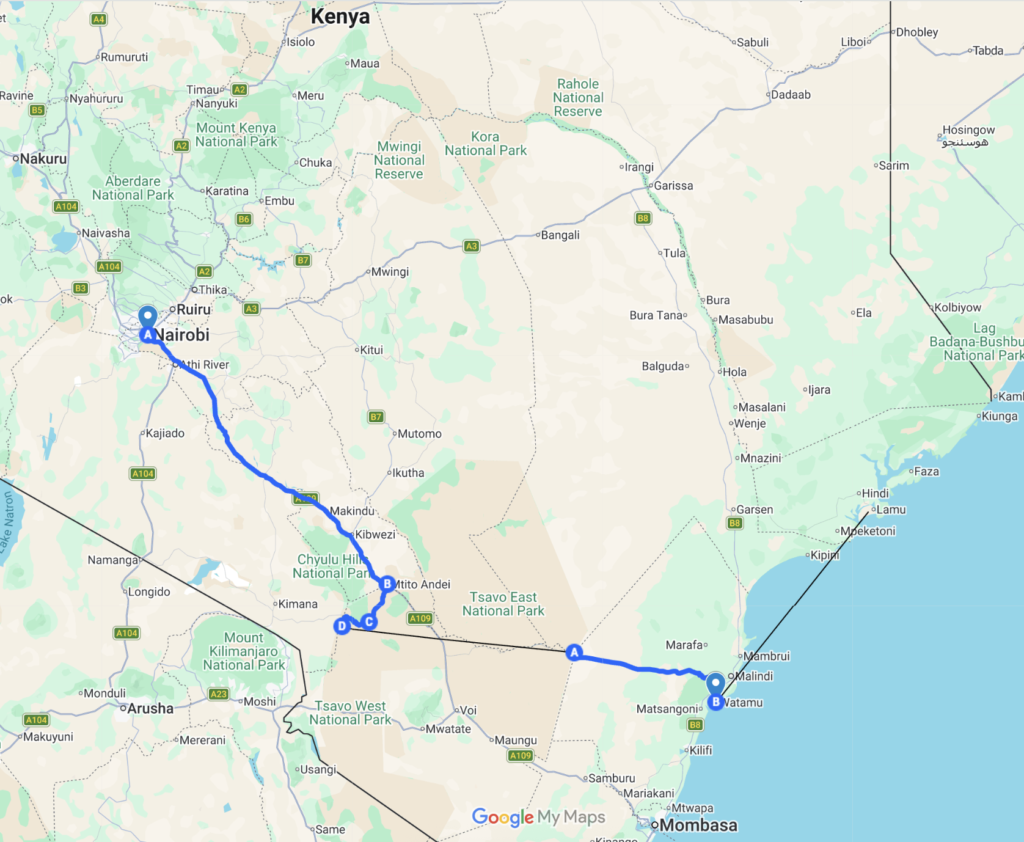

When we married in 1994, we were both working at Mountain Travel Sobek and chose Kenya for our honeymoon, joining the company tour run by our local operator Tropical Ice to climb Kilimanjaro, visit the Maasai Mara and Amboseli National Parks, and do a short walking safari in Tsavo East National Park before relaxing on the coast at Watamu. It was a magical trip which embedded an unrequited love for Africa. We’ve maintained friendship with the founder of Tropical Ice, Iain Allan, who has encouraged us to return over the years. Iain, a renowned climber in Kenya and beyond, suggested we join his Great Walk of Africa trip in July, which thus became the cornerstone of our gap year travels.
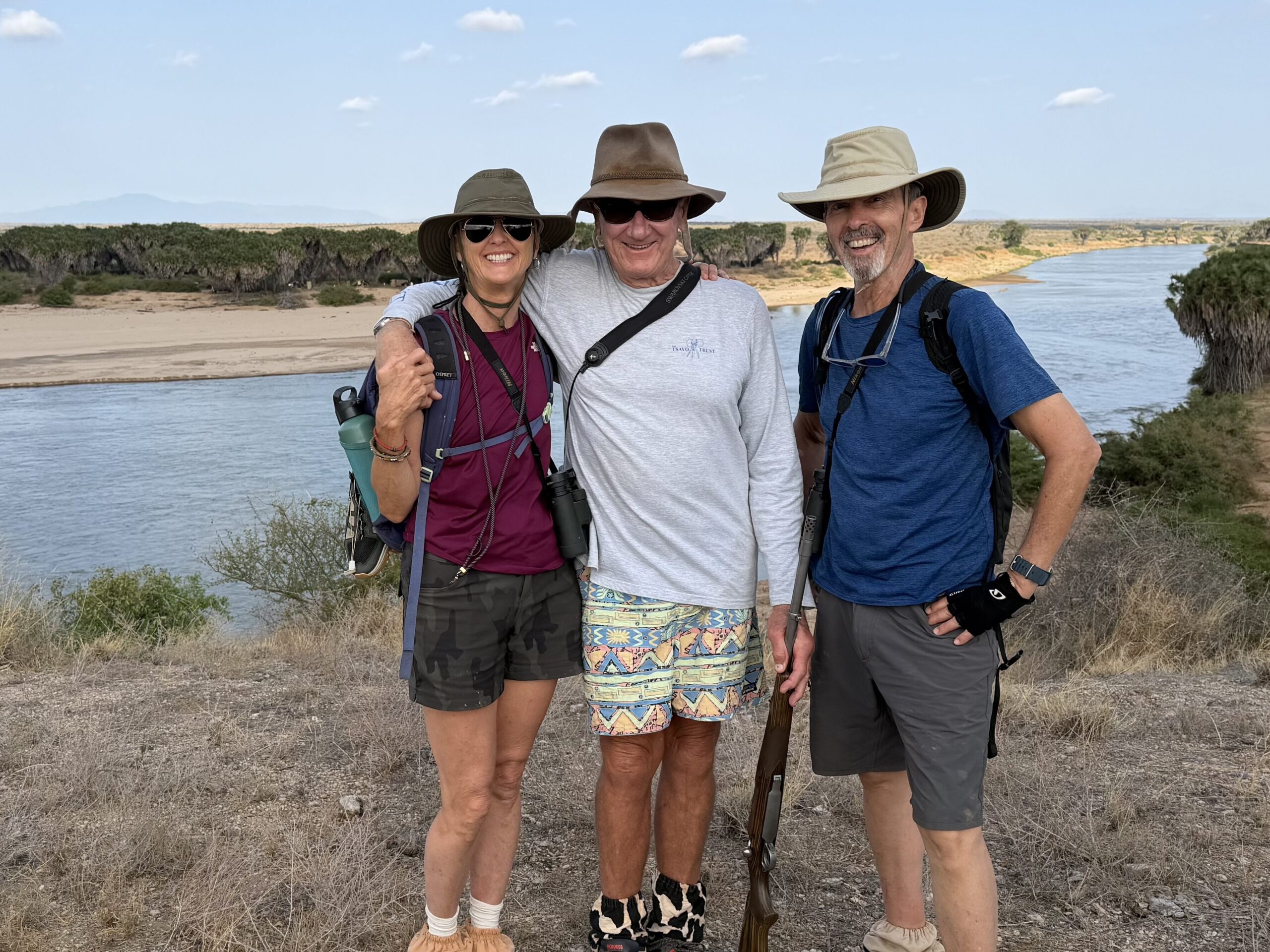
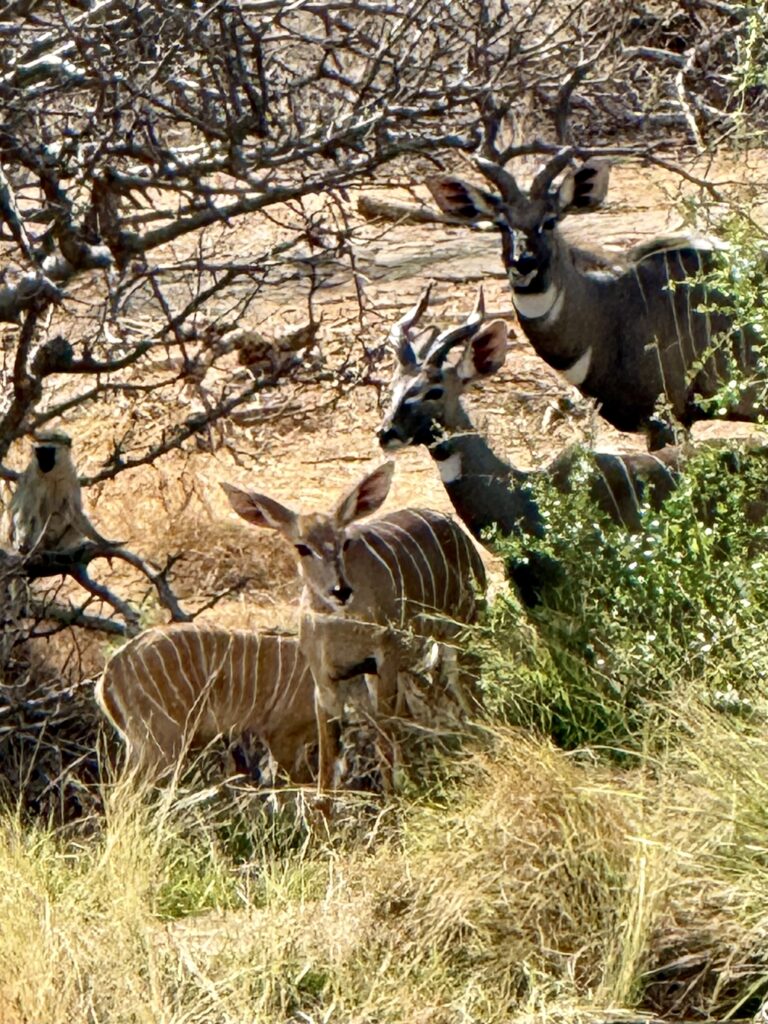
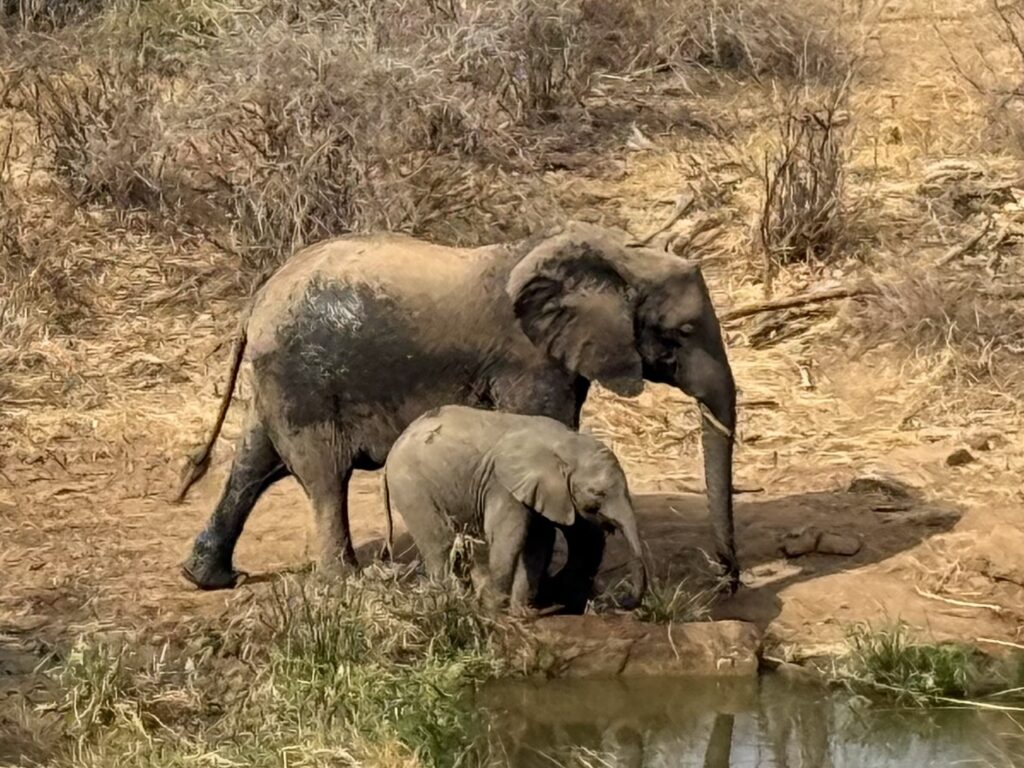
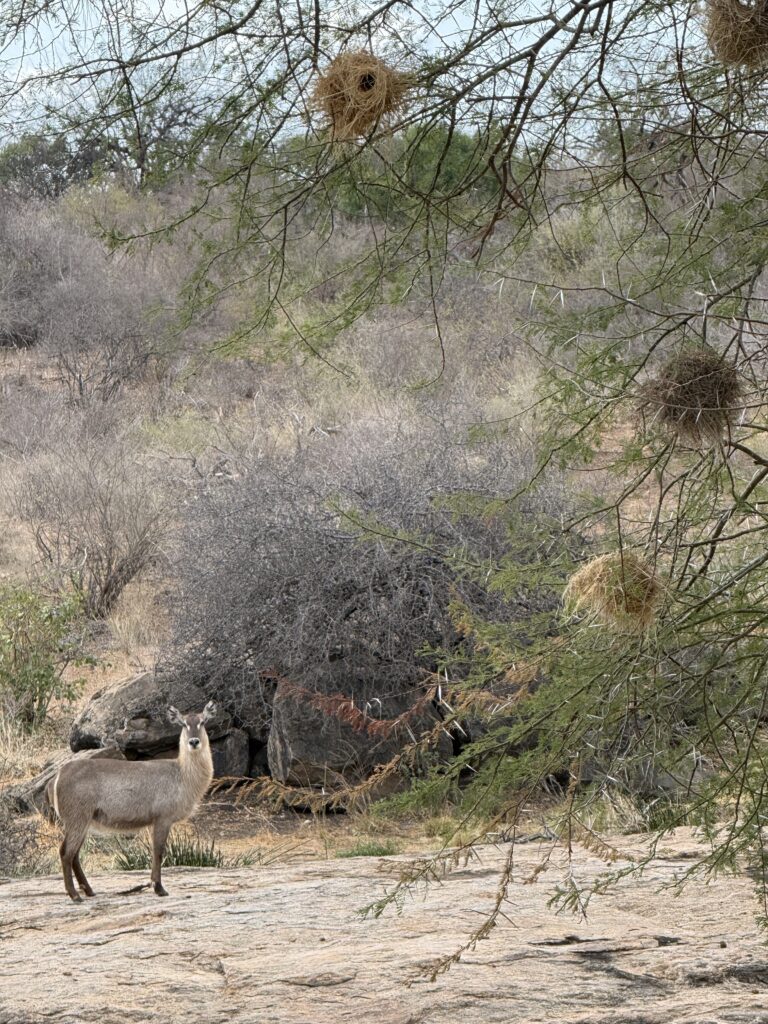
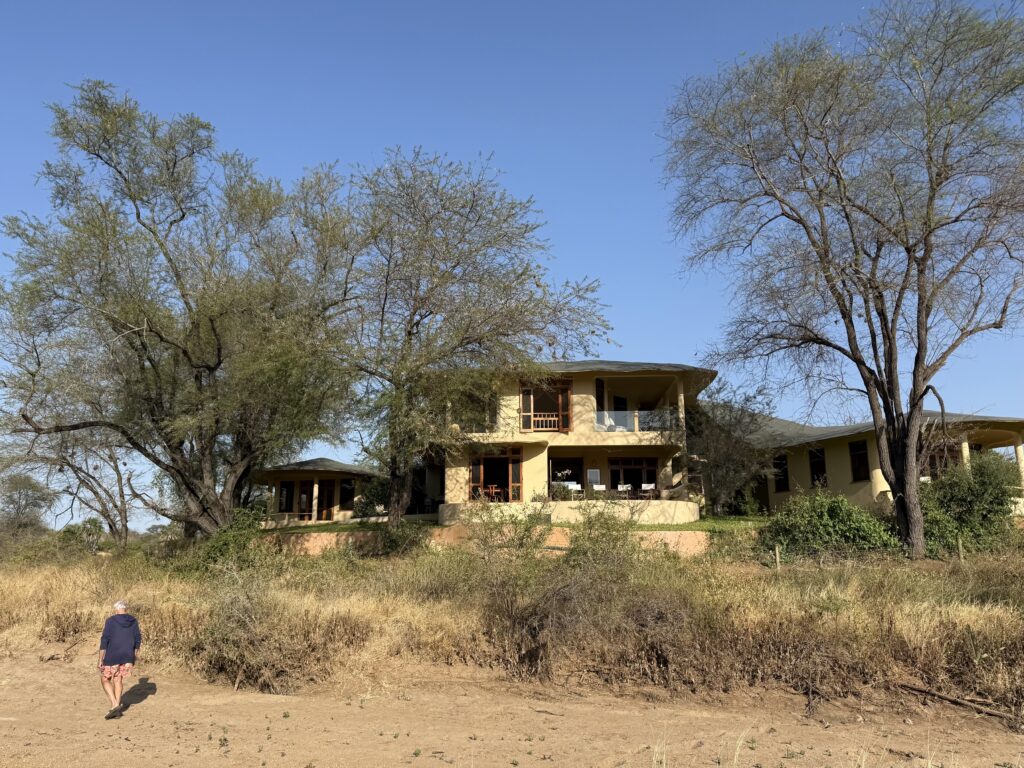
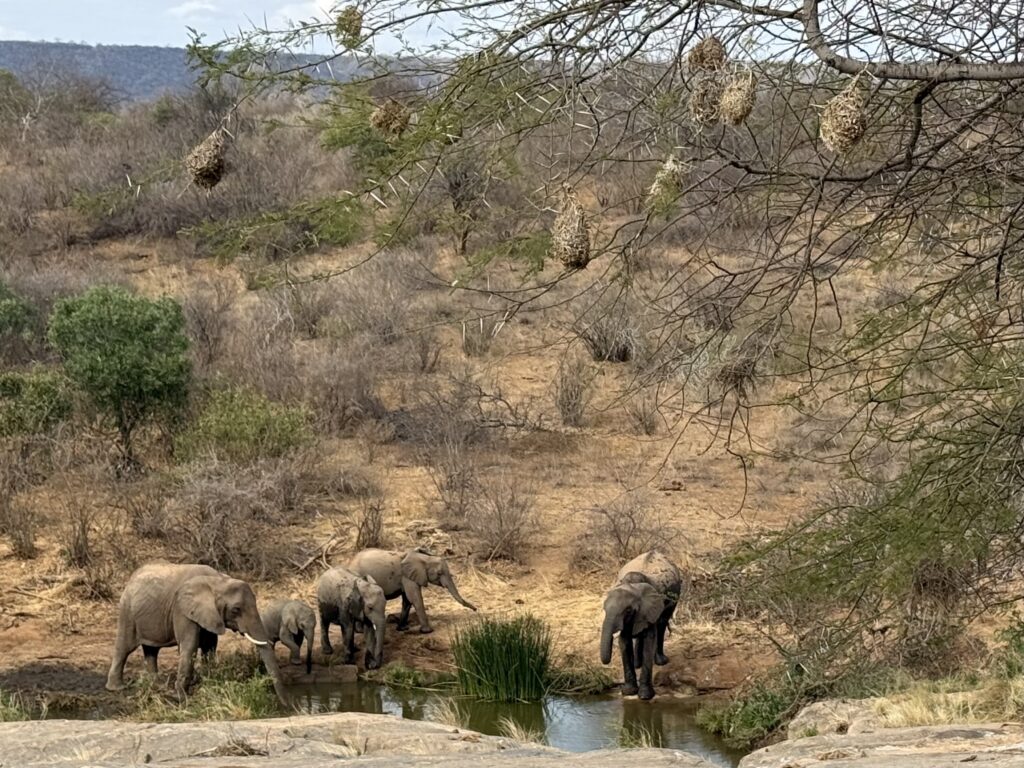
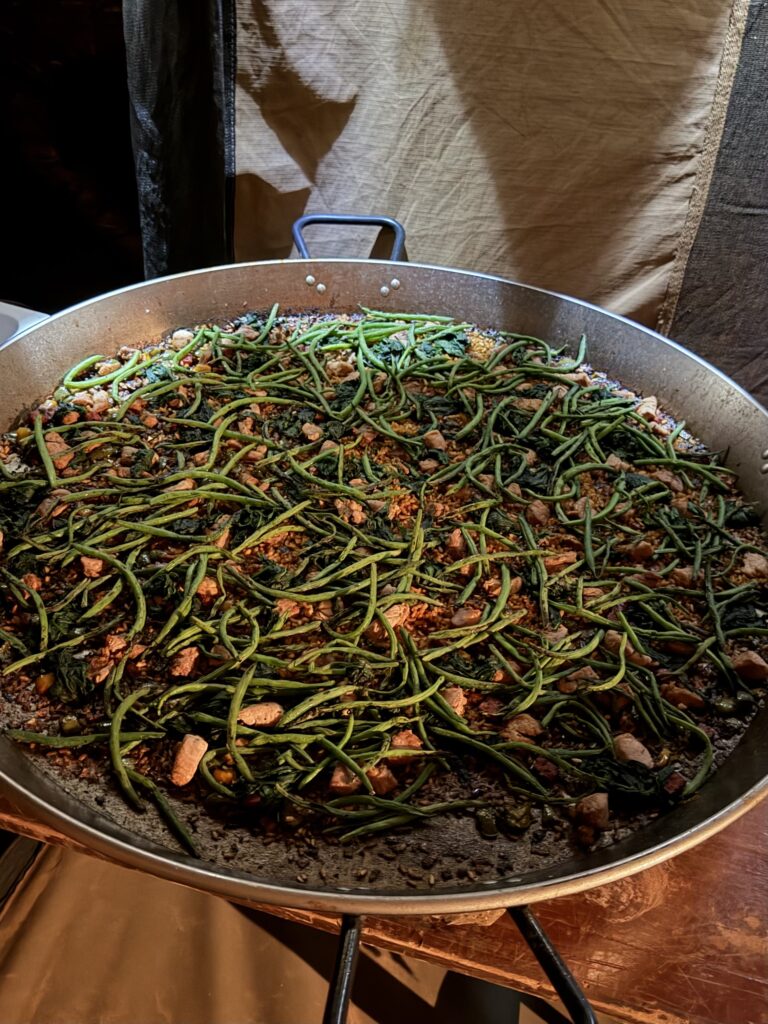
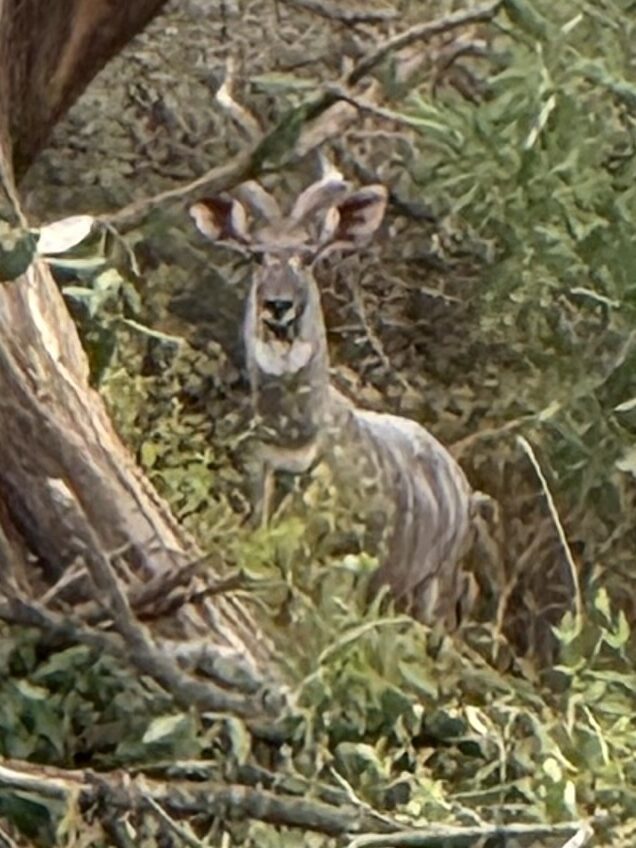
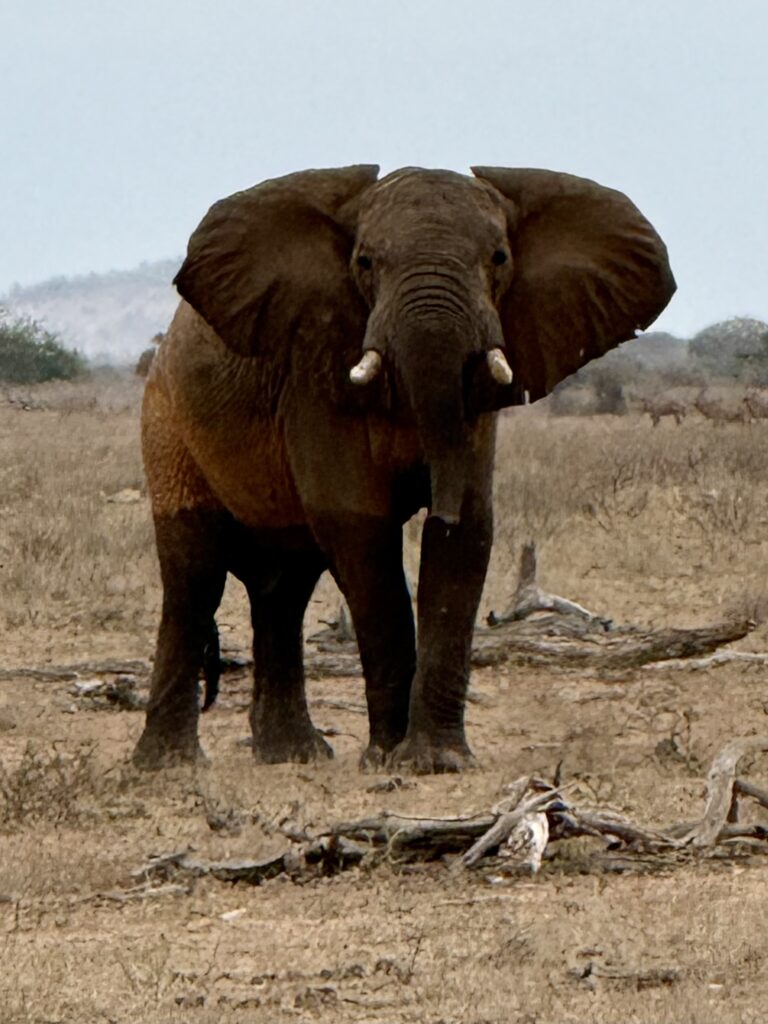
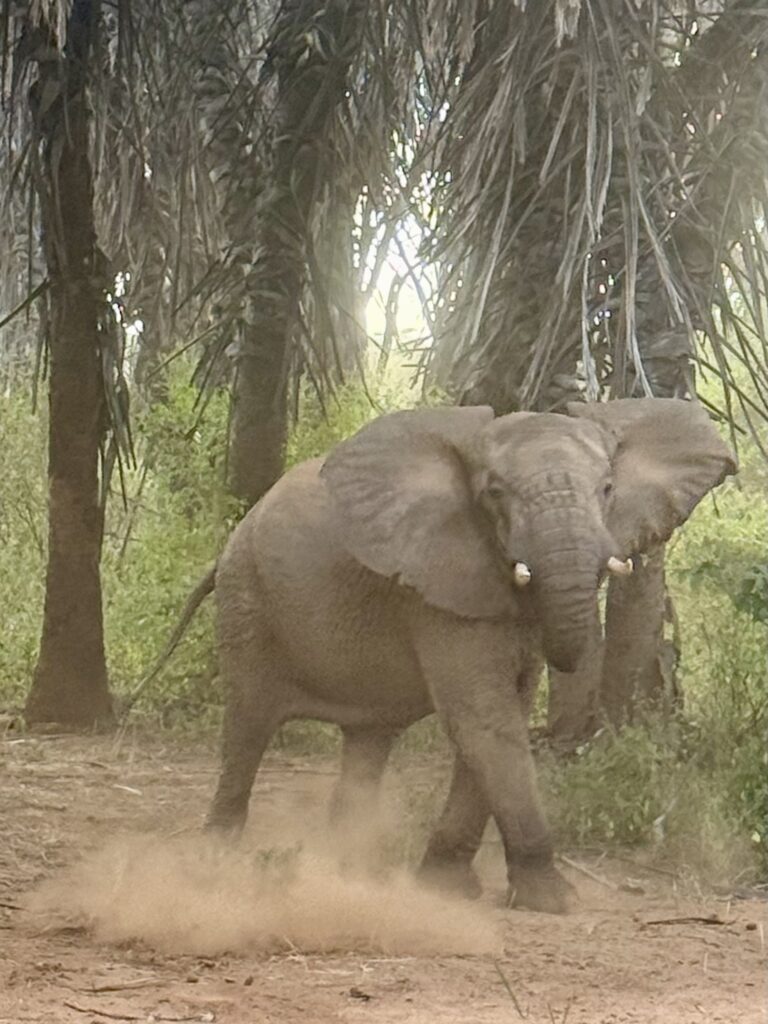
Iain and his wife Lou graciously host us for over a week prior to the trip in Nairobi and Tsavo. It is complete bliss to stay in a home after 5 months of road travel, and both properties are rich in character with artifacts, historical images, maps, and books galore especially on the climbing greats. As accomplished as Iain is, the axiom “Behind every great man is a great woman” can be apply applied to Lou who, in addition to being a highly respected General Practitioner, treating a broad spectrum of medical issues for a wide variety of societal statuses, has a backup career as a chef designing the healthy and tasty veggie-forward menus for Tropical Ice, some of our best meals in all of Africa. I have my foot assessed by an orthopedic surgeon in Nairobi, thankfully proclaiming me ready for the Great Walk, and we find the capital city has evolved over the past 30 years with multi-story buildings and malls, multi-lane highways, and Uber but there’s still cattle being herded roadside, the driving remains creative especially by motorcycles (boda bodas), and stalls (dukas) made of corrugated sheet metal or wood selling groceries, meals, and products line the streets, providing a dichotomy of past and future. In Tsavo their property backs up to Tsavo East National Park, like some houses border the country club golf course, but with their personal water hole we watch wildlife instead of golfers, including lesser kudu, waterbuck, impala, rock hyrax, Vervet monkeys, scores of birds, and families of elephants. Iain gives us a backyard game drive, including a feisty bull elephant encounter aggressive from decades of poaching here, followed by the ultimate gin and tonic sundowner on a rock outcropping with endless vistas.
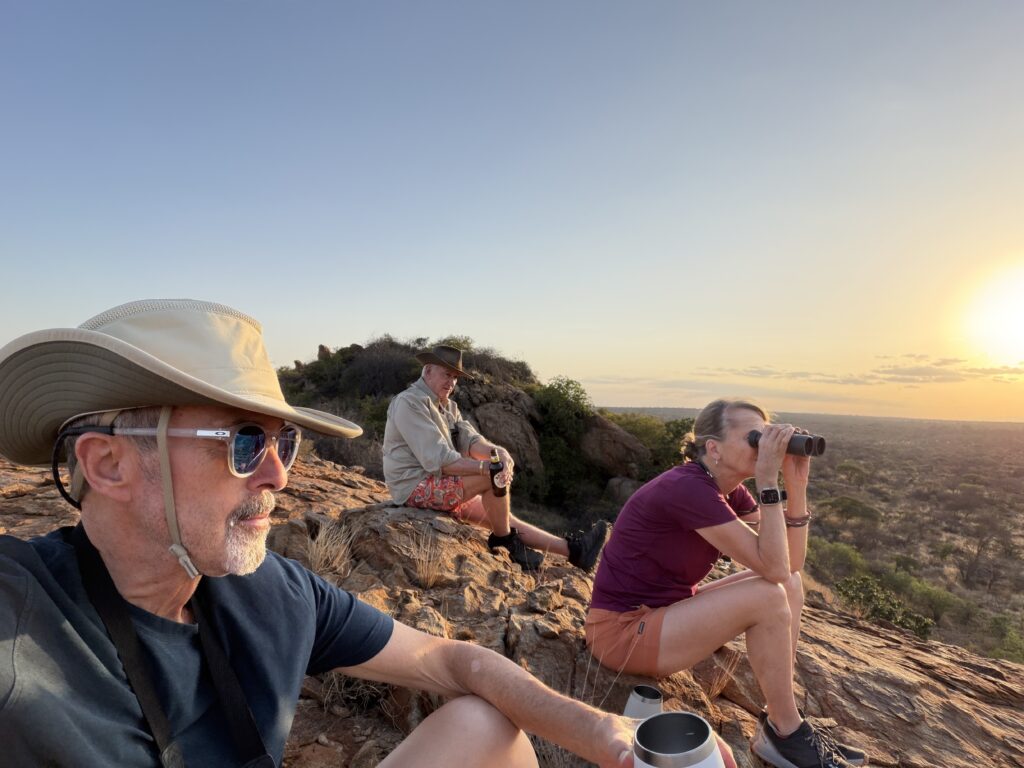
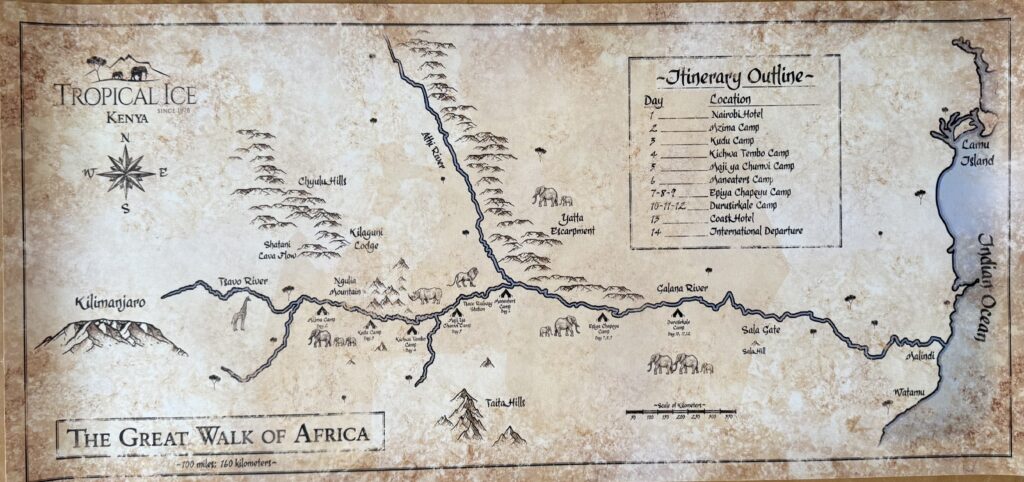
In preparation for the Great Walk, we read The Shadow of Kilimanjaro by Rick Ridgeway, about Iain and Rick’s trek from the summit of Kilimanjaro to the Indian Ocean, becoming the inspiration for this walking safari. As the longest commercial foot safari in Africa, the Great Walk covers 100 miles through Tsavo West and East National Parks, allowing for unprecedented access to rugged and untouched nature with the barest visibility of human impact. Our trip will be Iain’s 106th group which, after a year of crippling sciatica pain and 2 surgeries, is a savoured blessing for this adventurer nicknamed Tsavoman. His lifetime of experiences are documented in his recent memoir Outsider… A Life with the Elephants and Mountains of Africa, a great read.
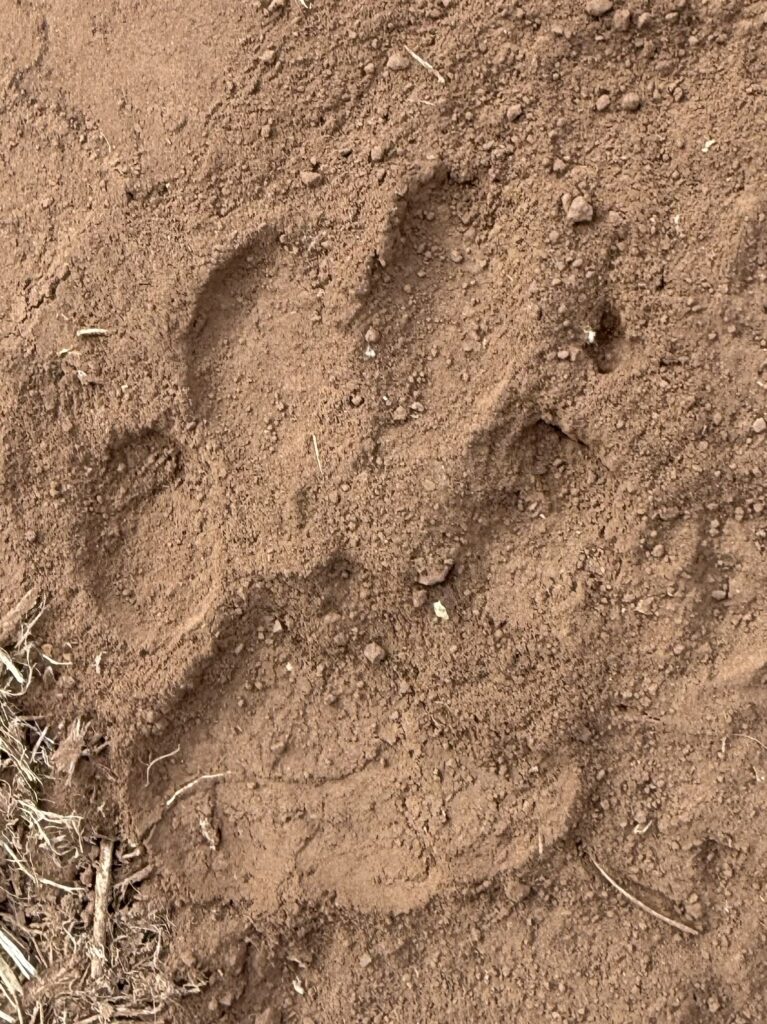
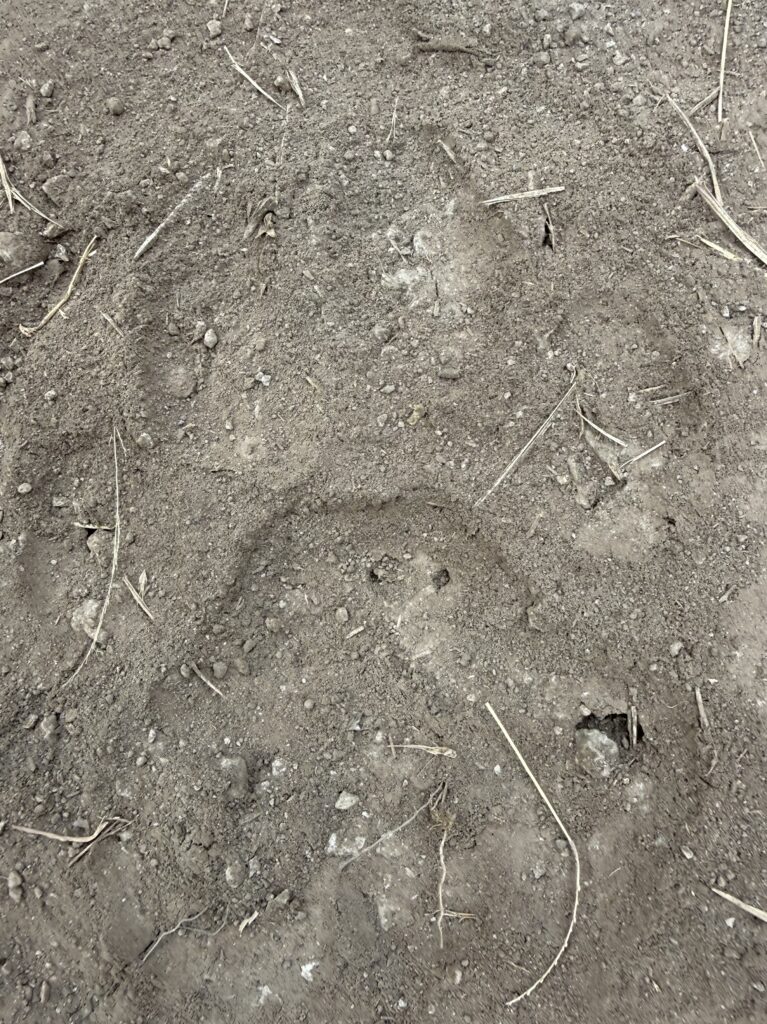
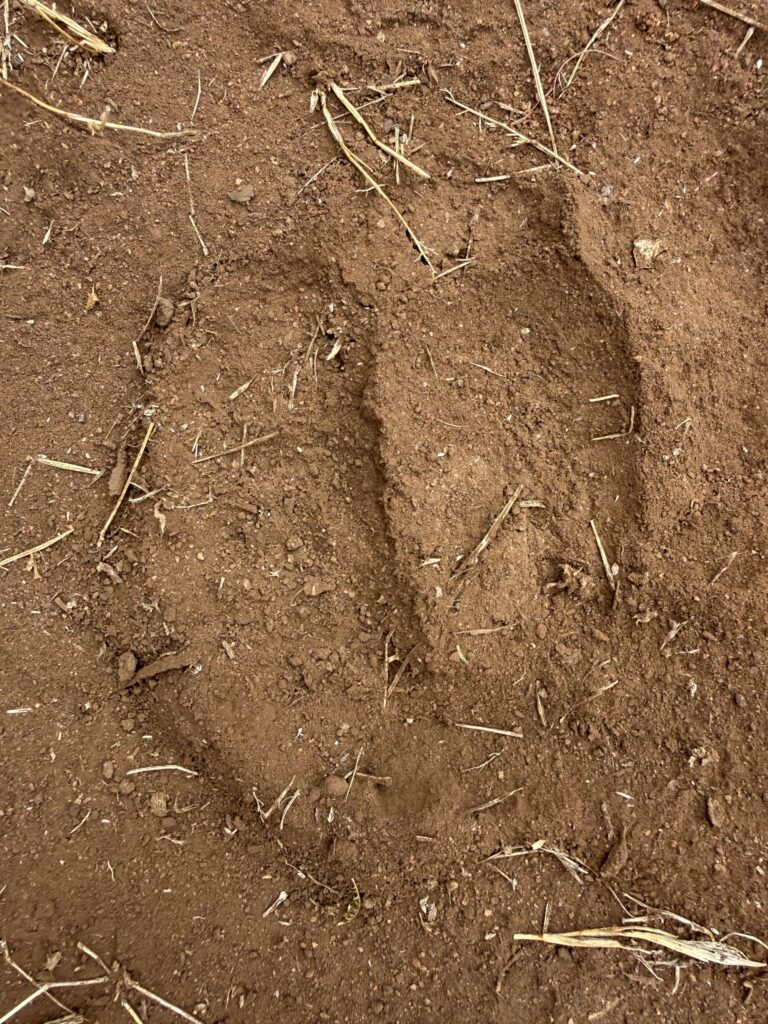
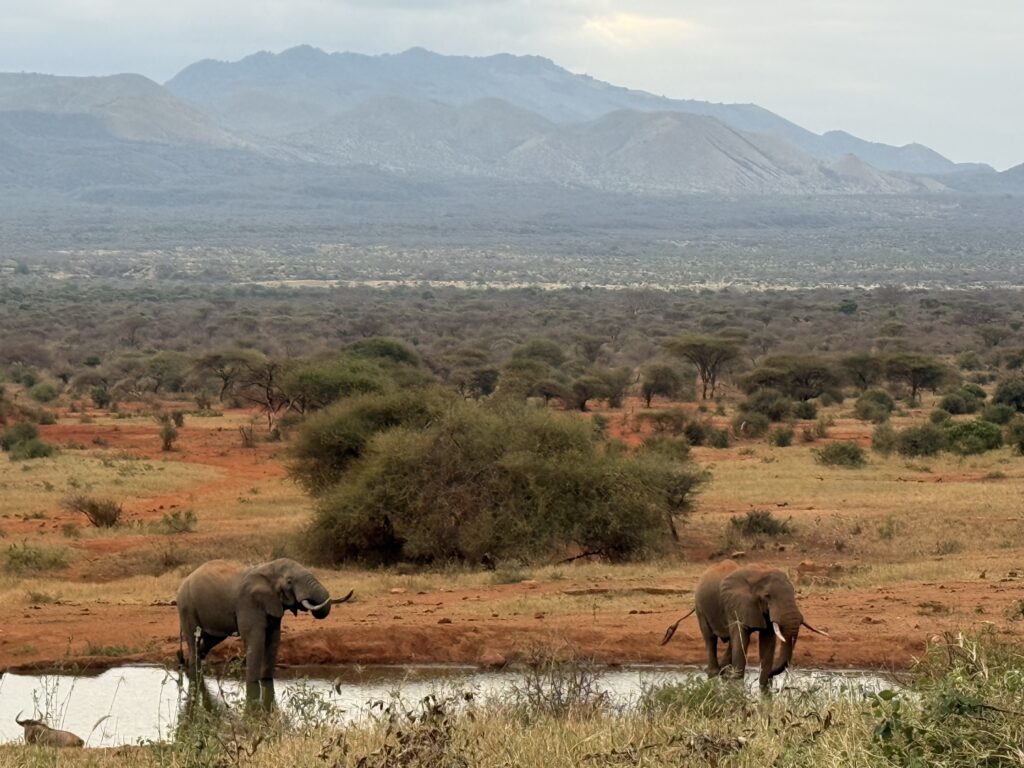
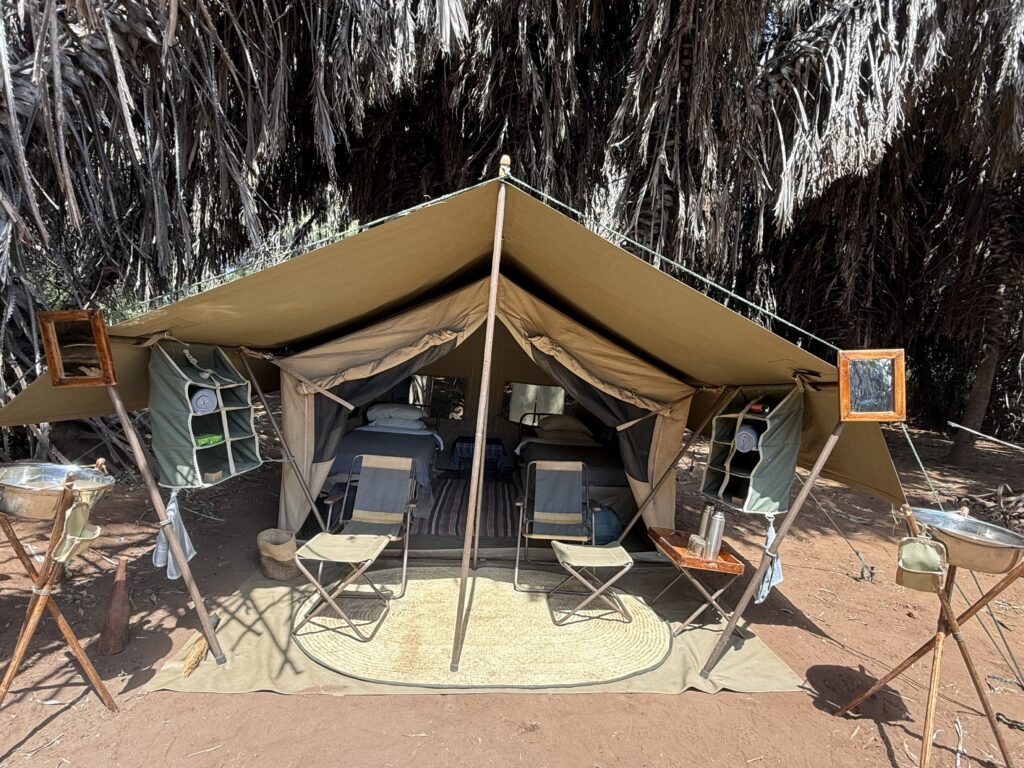
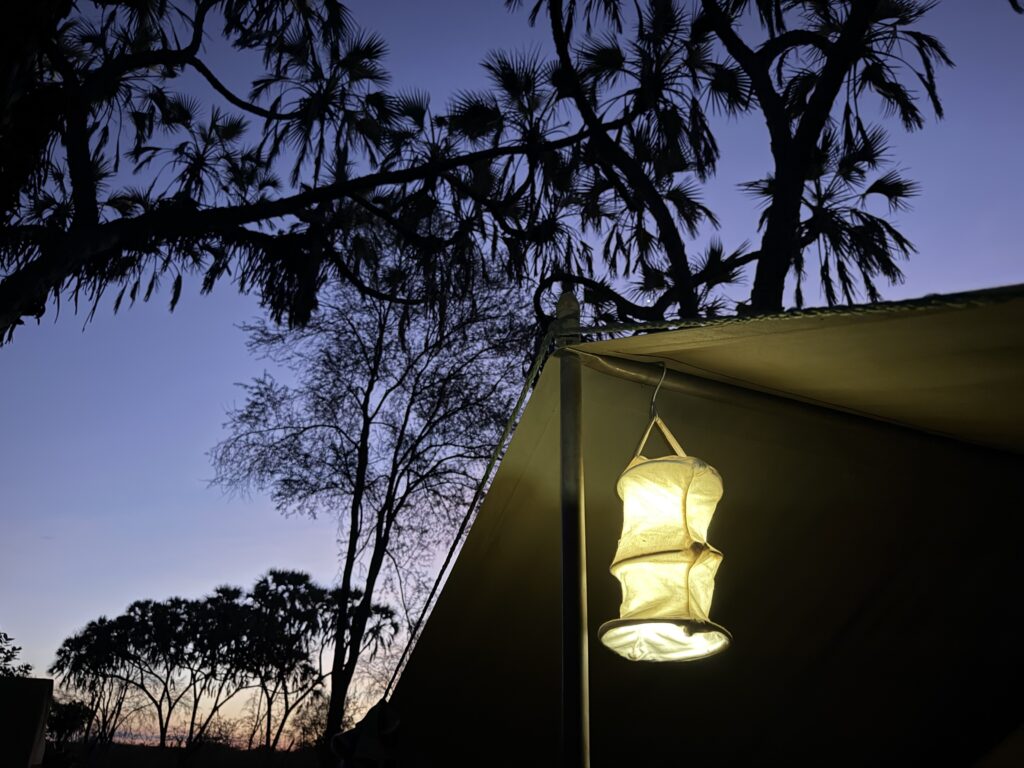
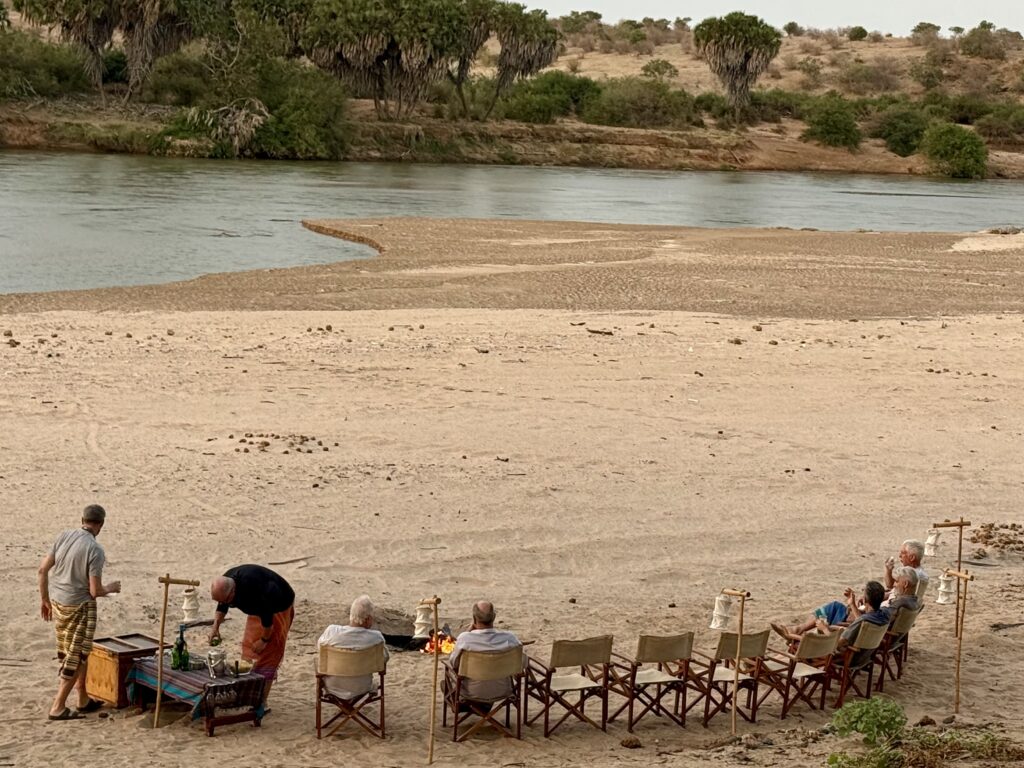
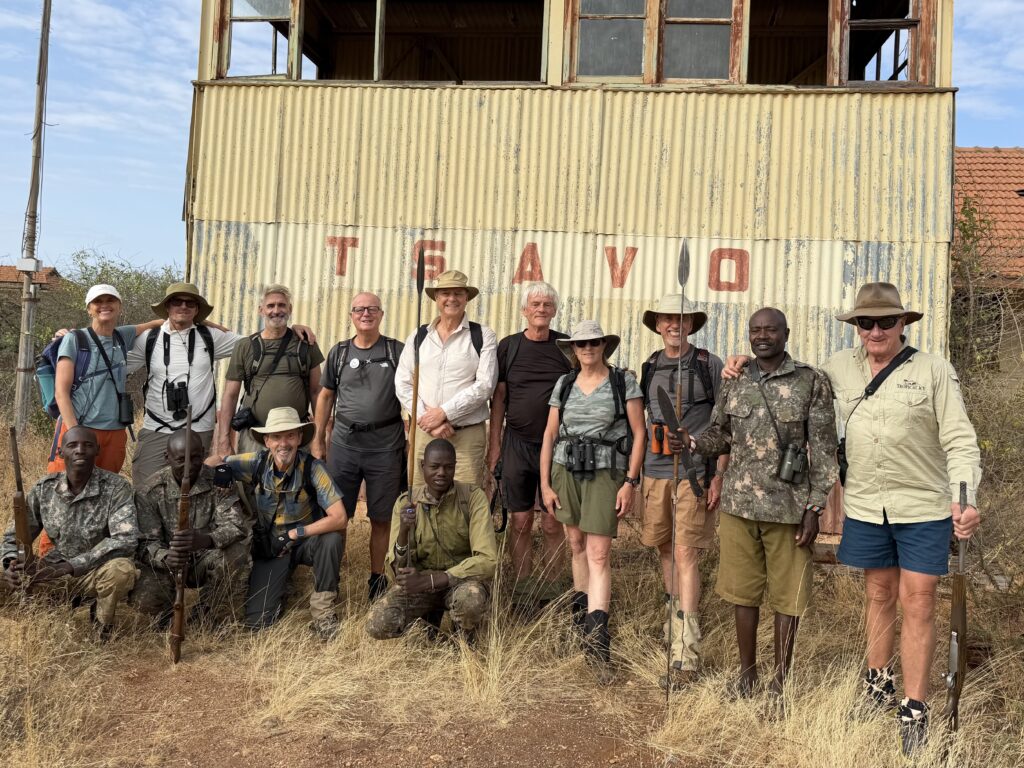
We meet the group at the Kilaguni Serena Lodge in Tsavo West where there’s a non-stop pool party at their water hole offering a constant flow of zebra, Cape buffalo, impala, oryx, Marabou stork, wildebeest, ostrich, warthogs, and scores of elephants against the backdrop of the Chyulu Hills, an impressive Karibu (Welcome)! We then head deeper into Tsavo, which means Place of Slaughter, aptly describing the WWI skirmishes throughout the region between the British and German, leaving battlements and bridges amid this hardscrabble landscape. Our camps however are the epitome of glamping, placed along the riverbank for cool breezes and wildlife viewing, and we luxuriate in mobile canvas tents with beds, lounge chairs, woven floor mats, warm water basins with creamy camel soap, and private latrine and shower tents, for a maximum of 10 clients supported by 22 staff, with a leave-no-trace ethos. Meals are served in a dining tent with tablecloths and full place settings, an experience worthy of the British Raj complete with 4pm tea, and we want for nothing. Our trip is a mix of Brits and Americans, all well traveled and a few have lived upwards of 40 years in Africa, sharing lively banter and deep knowledge from a myriad of perspectives, and we quickly gel as a group.
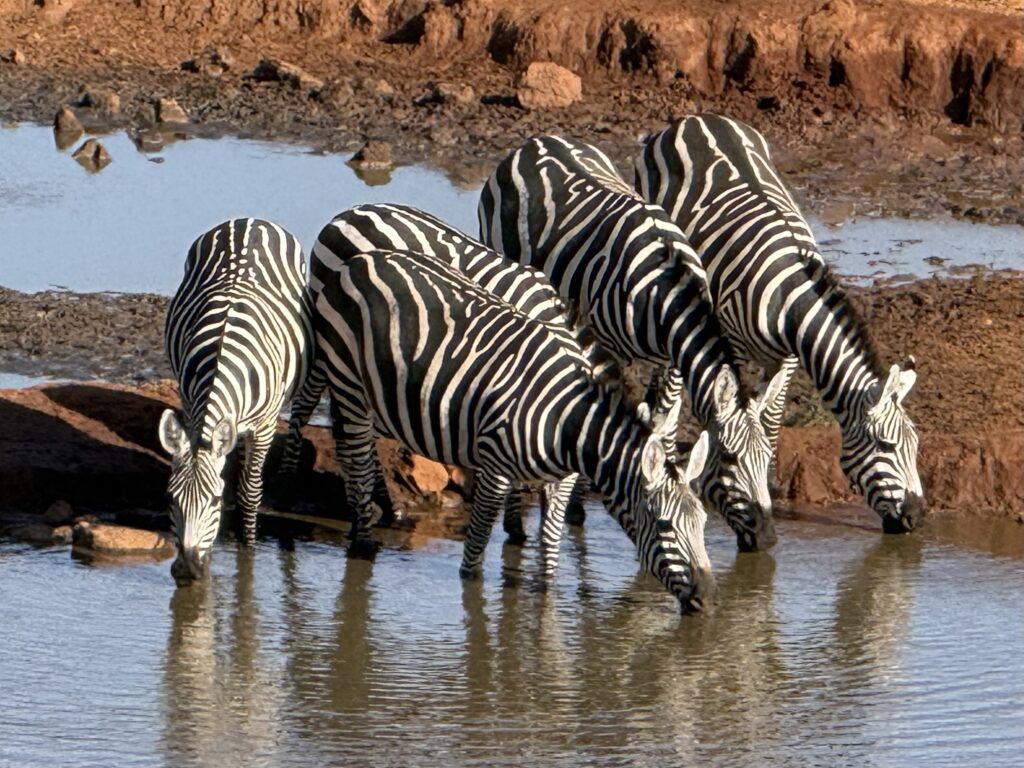
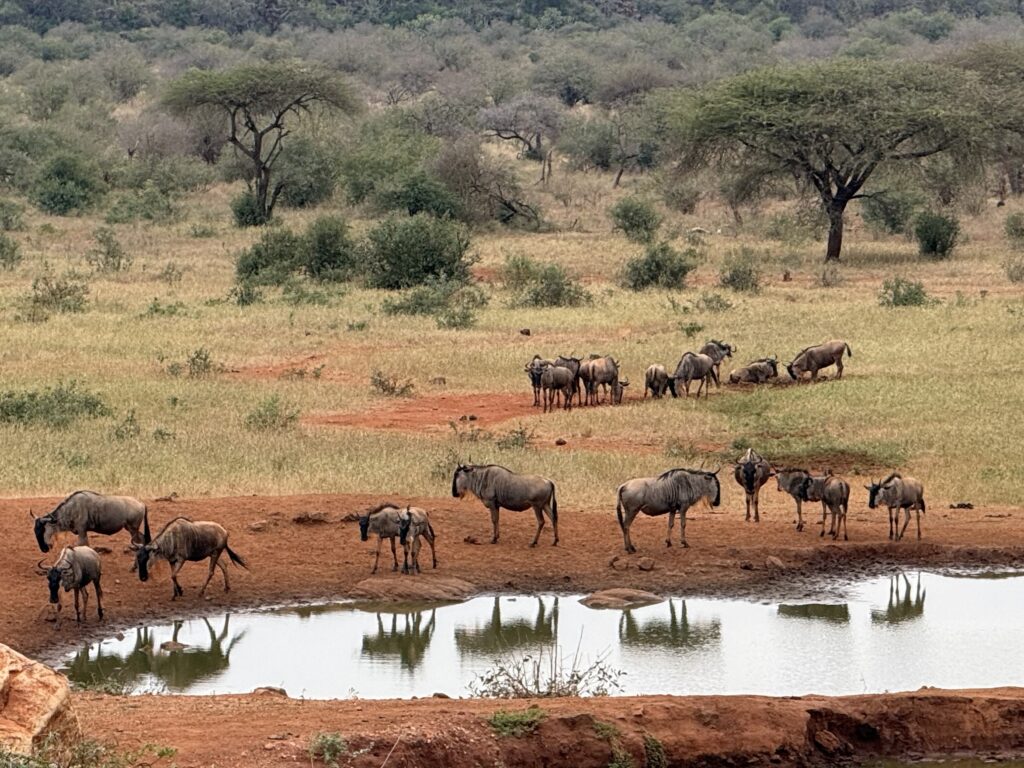
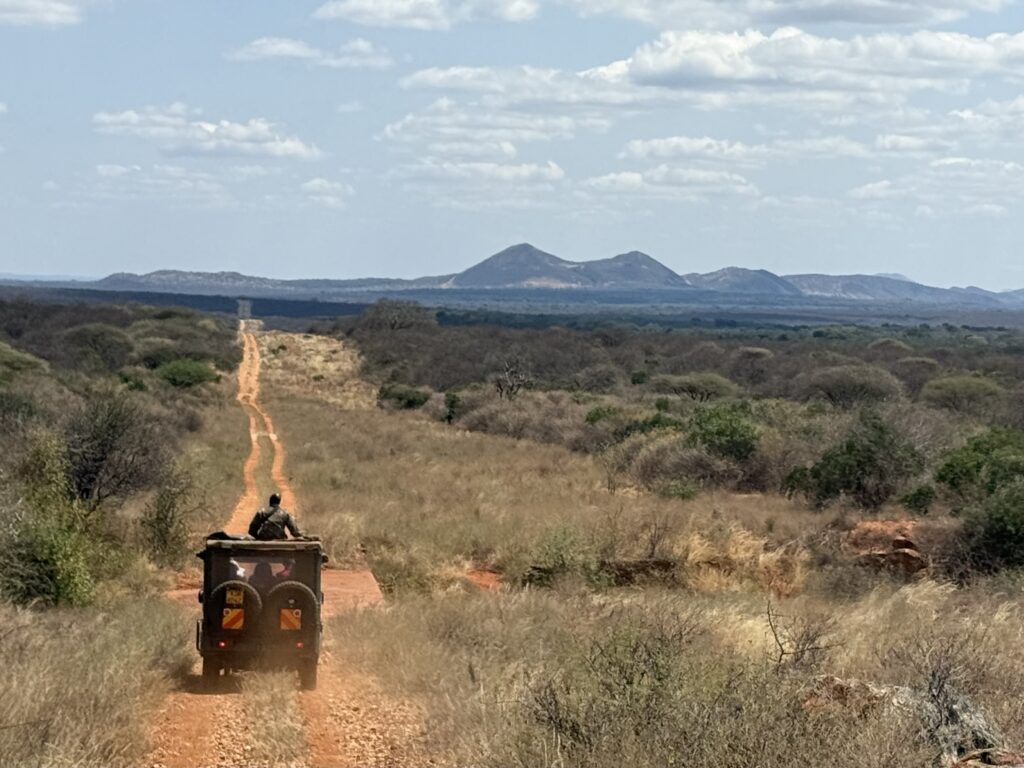
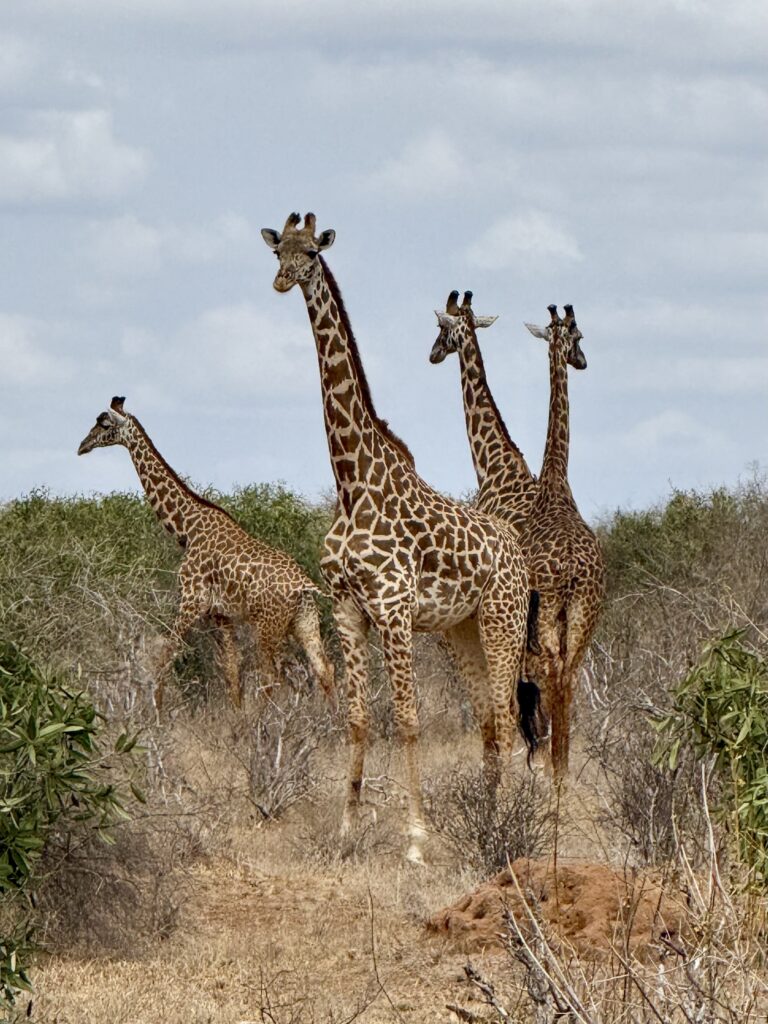
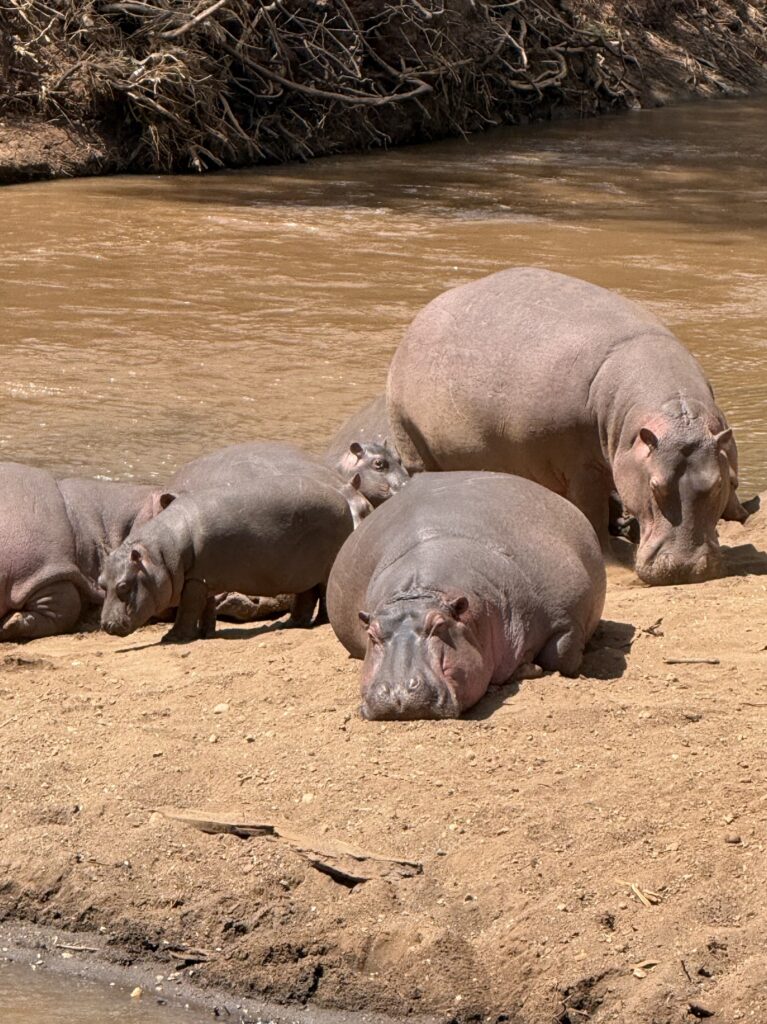
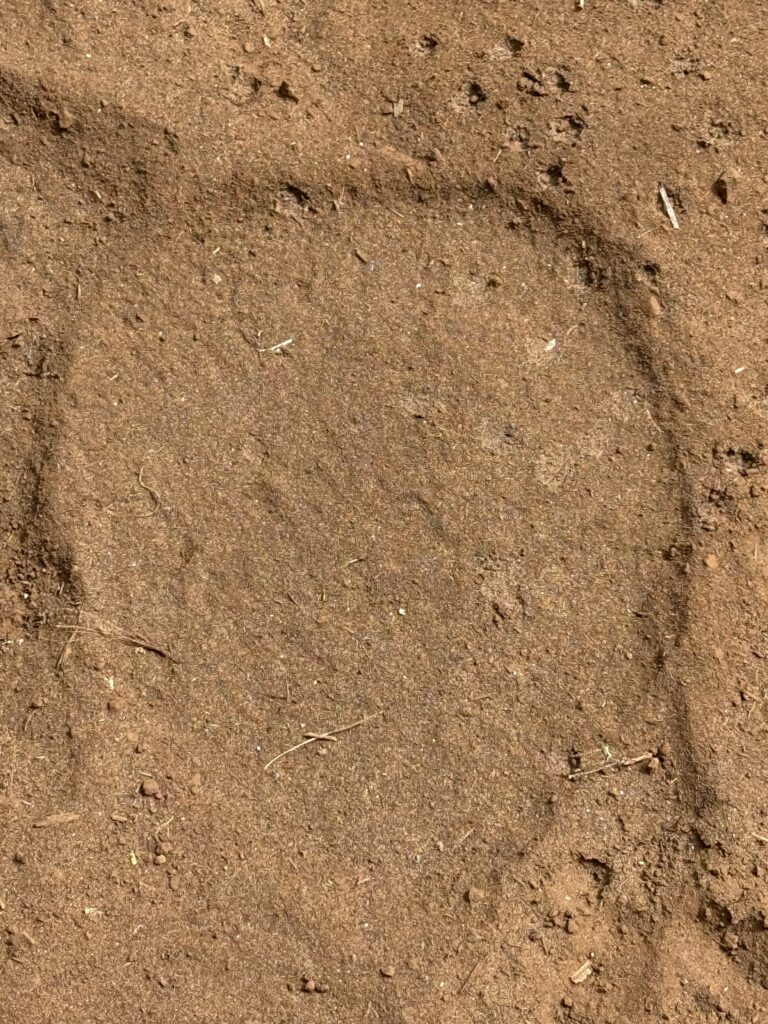
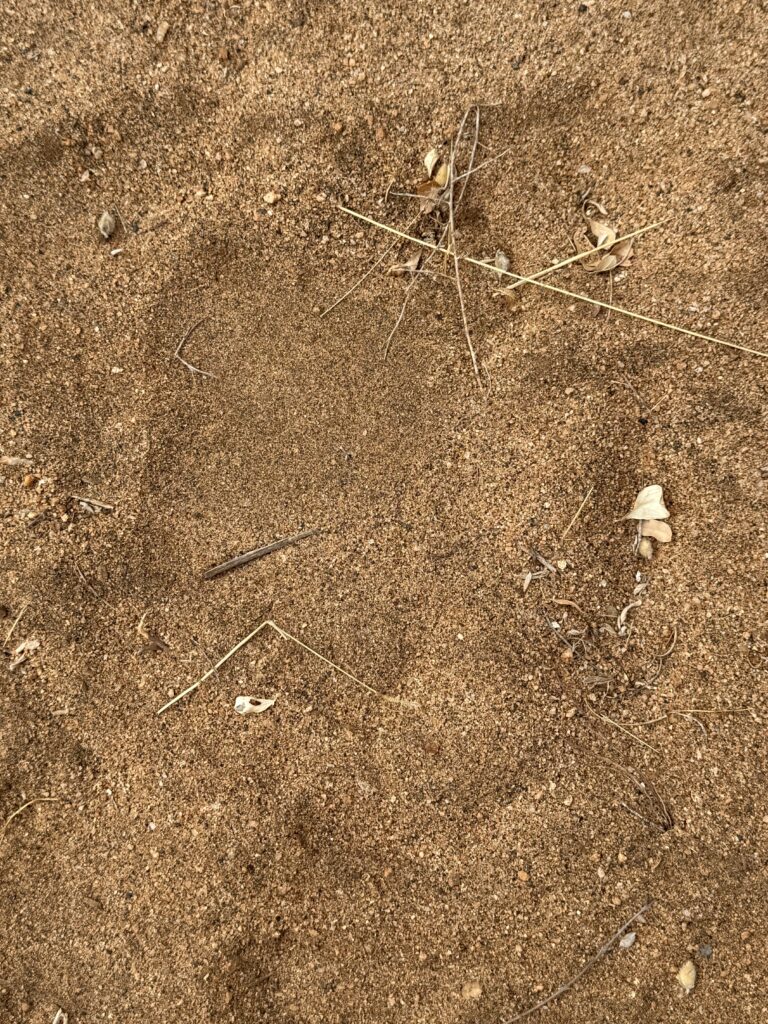
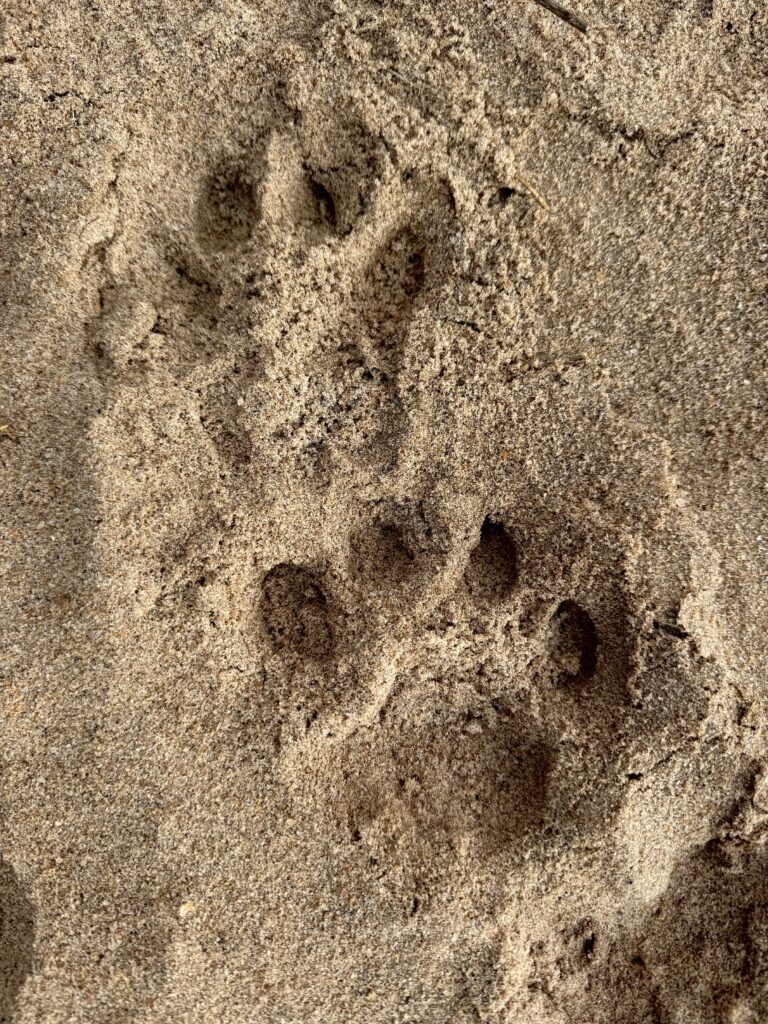
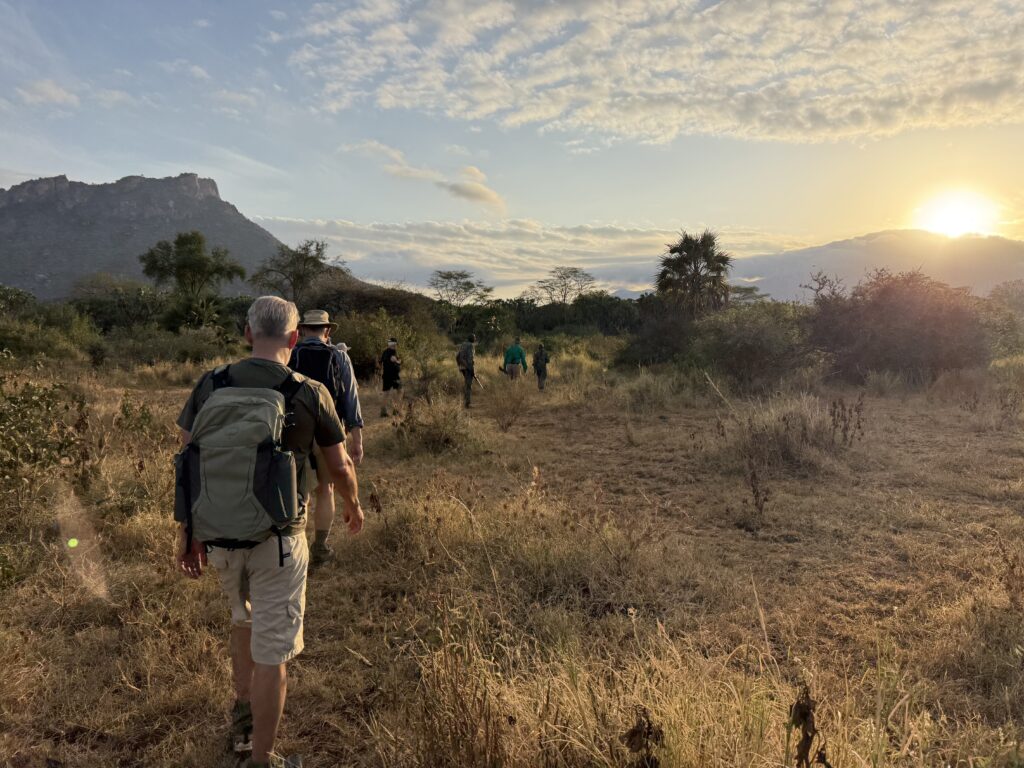
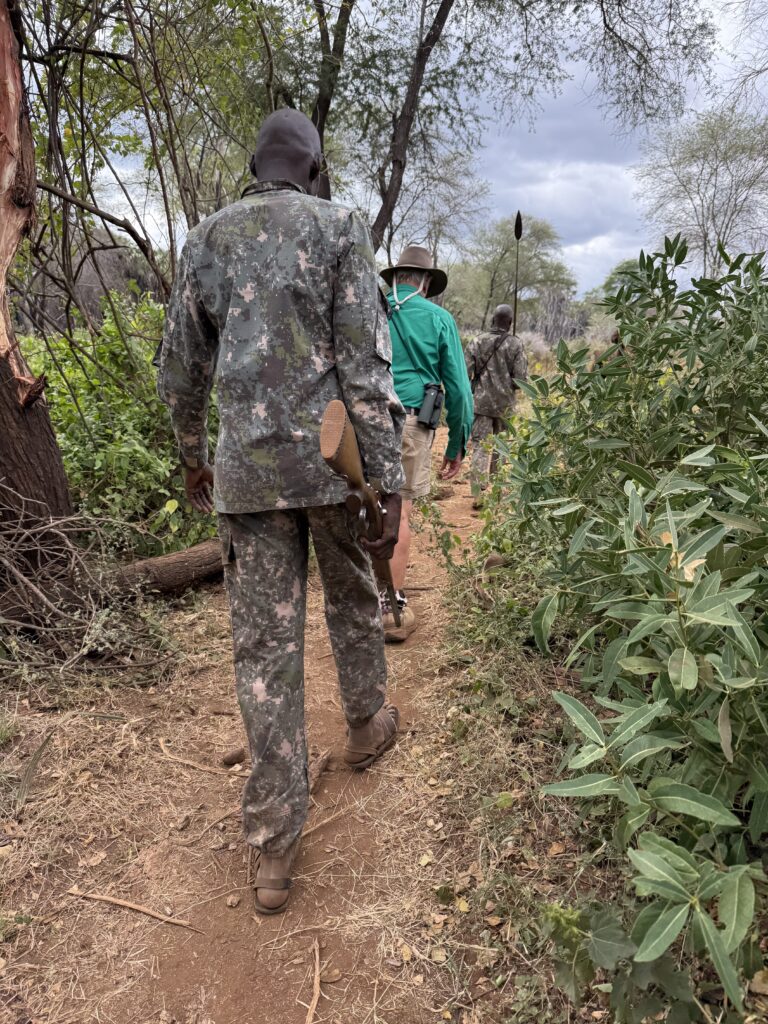
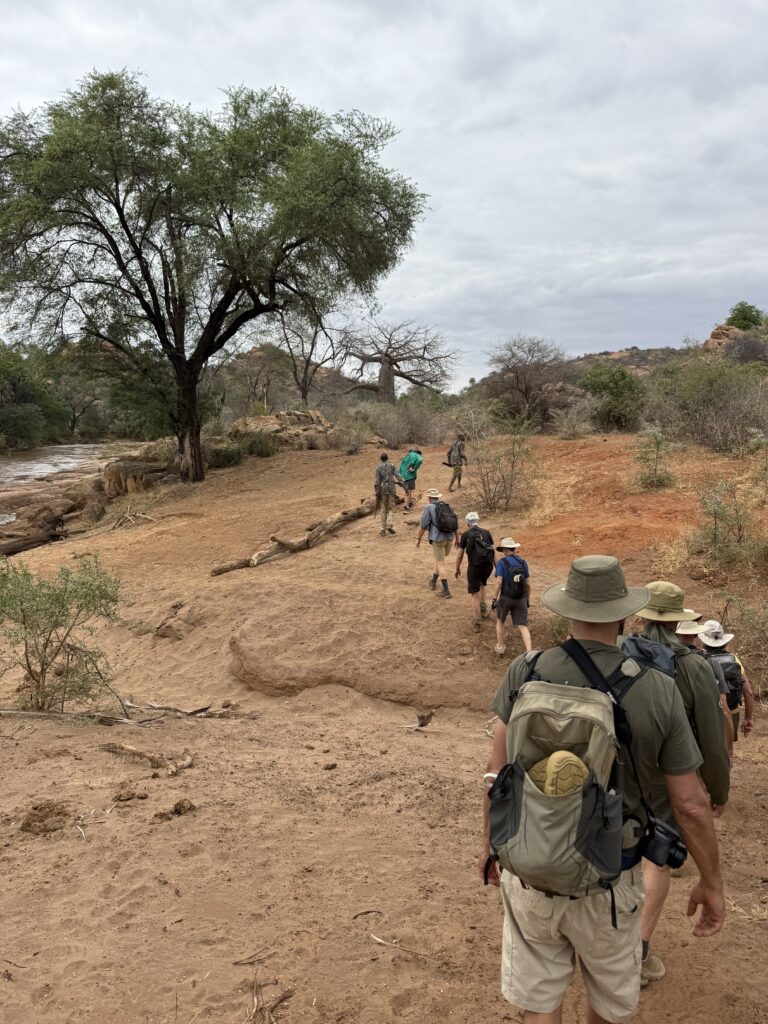
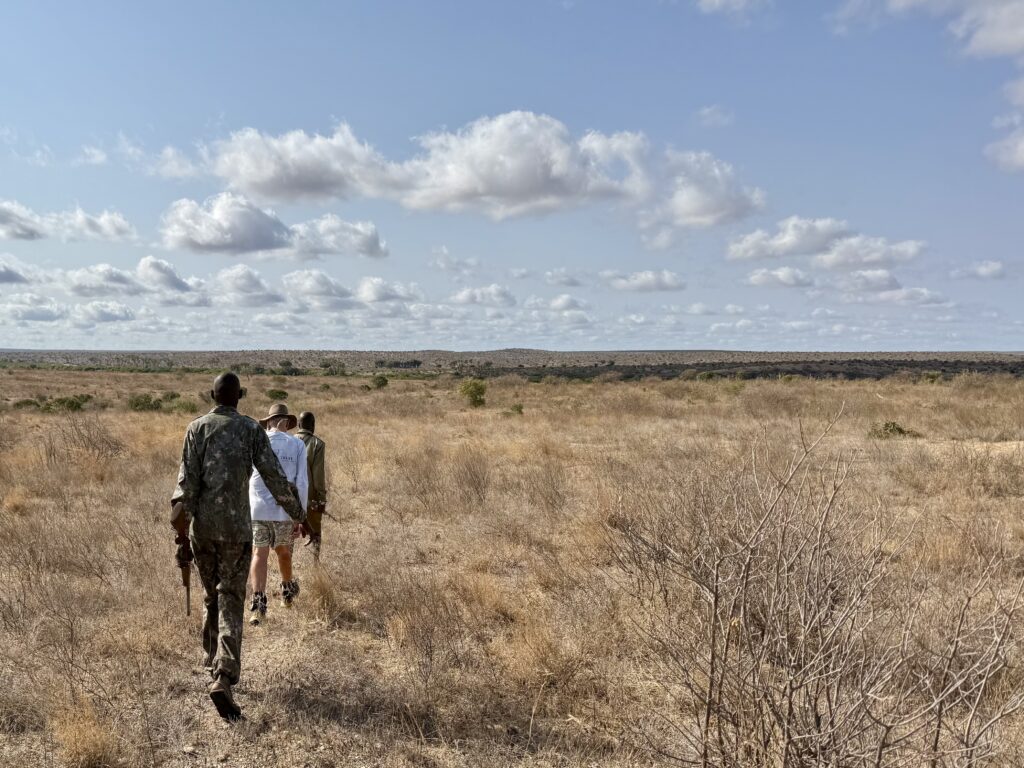
We kick off our hiking in Tsavo West walking on paths forged by hippos and elephants through its dense thicket of thorns with doum and raffia palms gracing the Tsavo River. We walk in a line protected by Samburu warriors front and back armed with guns and sky-piercing spears, maintaining silence to encourage wildlife viewing which renders glimpses of warthogs, dik diks, impala, and lesser kudu, and observations of hippos, giraffe, and elephants. We start to recognize the tracks of various animals and successfully skirt around a sleeping Cape buffalo, raising the tensions. We learn to ford the river as a group, linking arms and grabbing the shoulder in front tight as a rugby scrum, navigating the undulating bottom in water up to our belly buttons at times. With our formation imitating an elephant crossing, which crocodiles fear, we build teamwork over the 13 crossings, which is better than a cup of Joe to sharpen the senses in the morning, especially when hippos are skimming the surface.
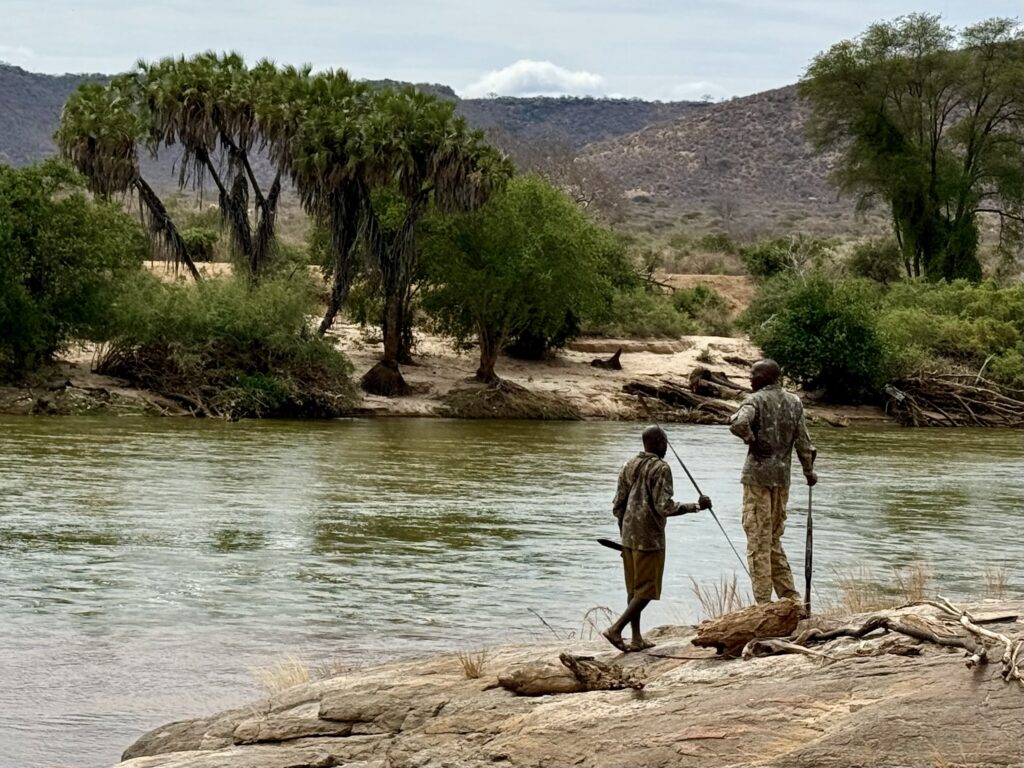
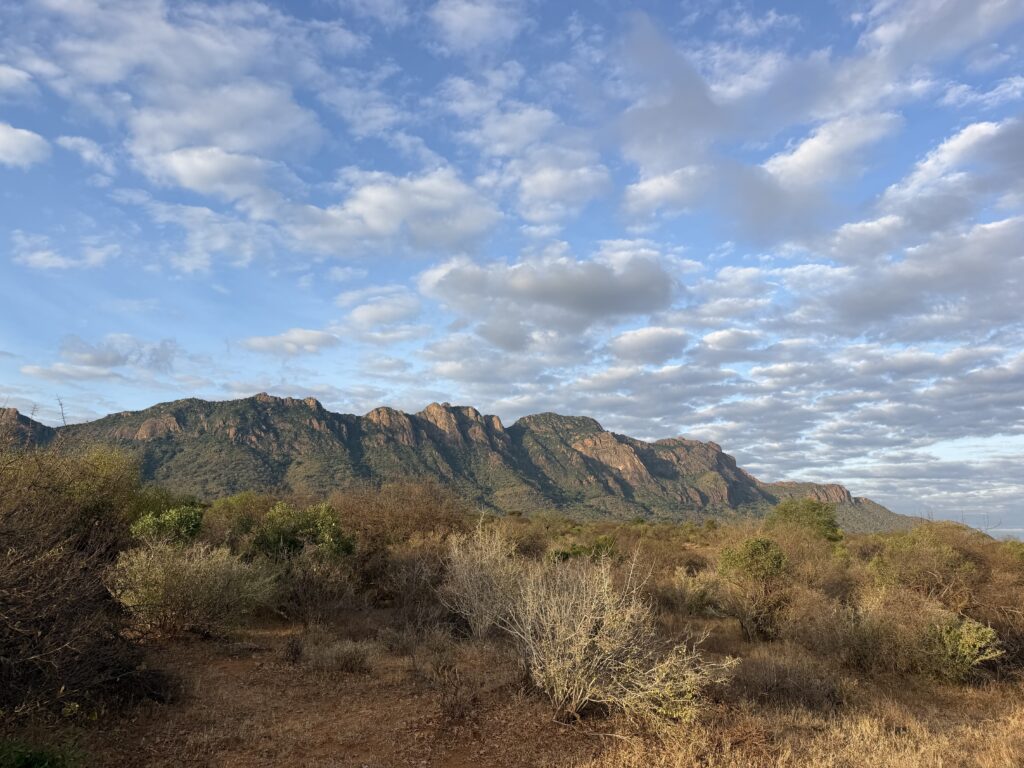
Tsavo East and West National Parks, equaling roughly the size of New Jersey, are maintained by the Sheldrick Wildlife Trust, a private organization started by Dame Daphne Sheldrick who raised baby elephants orphaned by poaching, her work funded by elephant adoptions. Her husband David Sheldrick was the first warden of Tsavo East, and their next generation has built a sophisticated program to reduce poaching and maintain the parks including ranger gear and salaries, filling the void of an inept and corrupt Kenya Wildlife Service who take credit for SWT’s successes, and we are grateful for their work conserving the treasures in these parks. Neville Sheldrick, whom we dined with in Tsavo, monitors the park from the air and tips his wings at our group during his routine flights, like a scene out of my current reading West with the Night by Beryl Markam, a ballsy female horse trainer and aviator in Kenya during the 1920-1930’s.
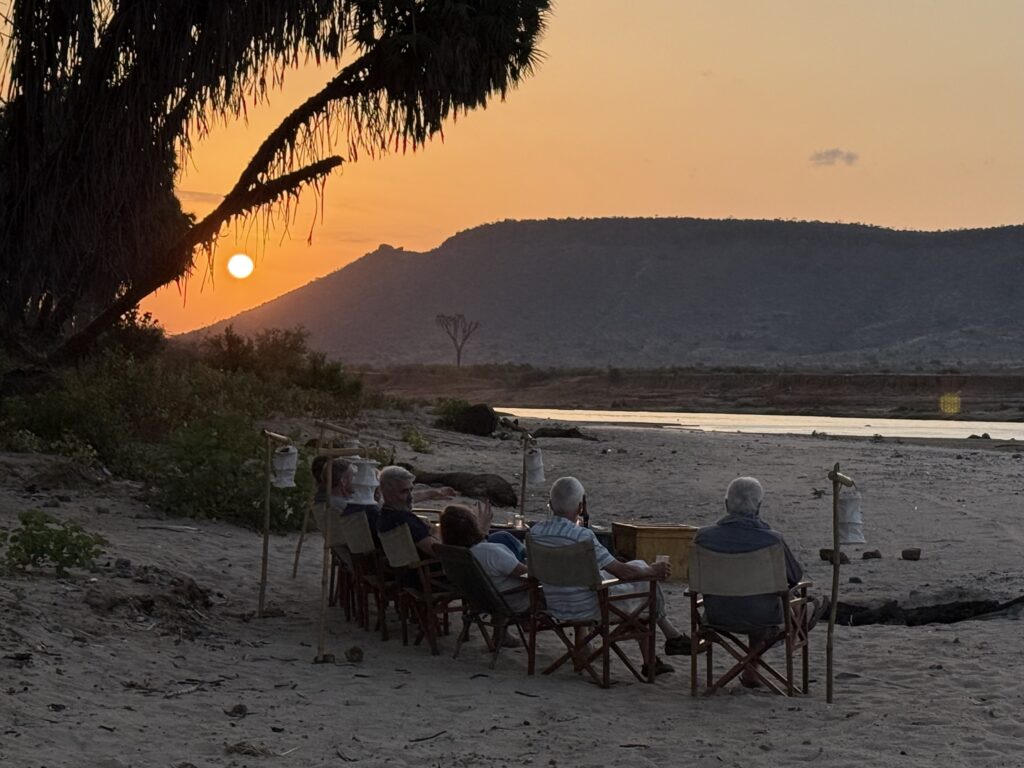
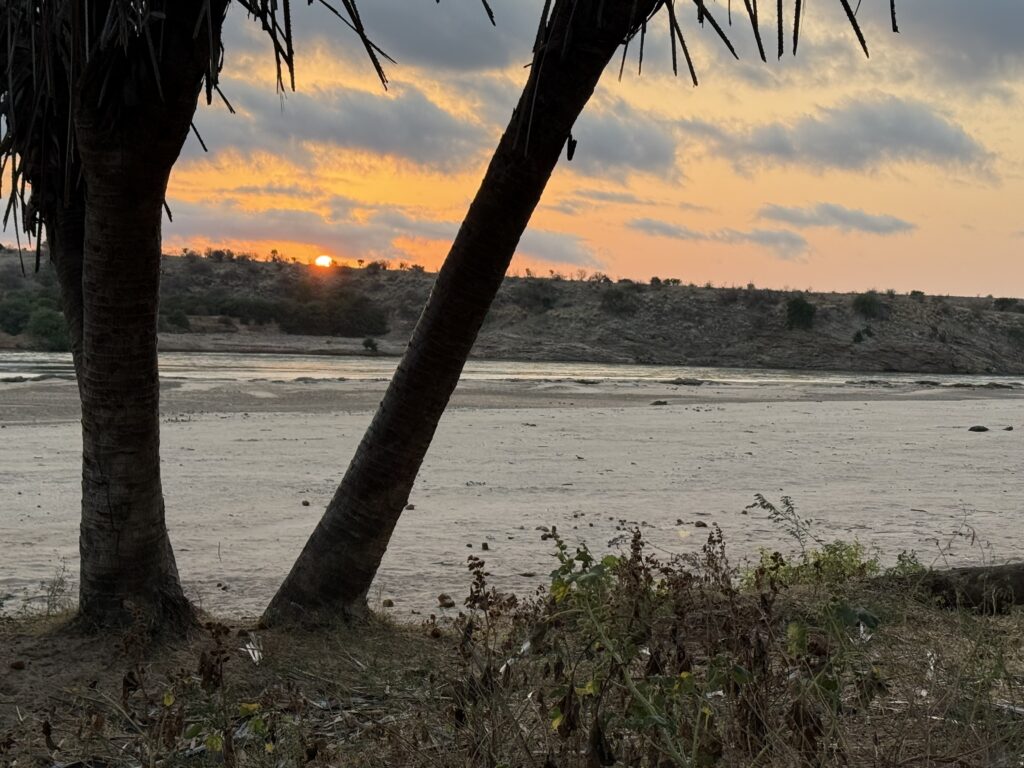
Our days become routine: after a nighttime listening to hippos grunting or lions calling out which resonates for 5 km, we are woken up at 6am with a Jambo (Hello) and breakfast then hit the trail at 7am, usually returning to camp for lunch in the early afternoon, taking a post-lunch nap or reading, then 4pm tea followed by the highlight 5pm hot shower, unless there’s a game drive pushing events back, and 6pm sundowner cocktails while the stars reveal themselves followed by another amazing dinner and bedtime by 9pm. Over time our bodies strengthen and bonds deepen, increasing our enjoyment as the experiences unfold. The game drives provide more up close encounters with wildlife but can’t compare with meeting wildlife on their turf and terms.
We cross from Tsavo West to East, over the dividing line of the Nairobi-Mombasa highway, crammed with tractor trailers moving goods on this critical thoroughfare, and explore the abandoned Tsavo train station, the scene of the notorious Man-eaters of Tsavo. When the Kenya-Uganda line was being built in 1898, two maneless male lions terrorized the workers, dragging them out of their tents to their death every night, consuming 127 in total over nine months while the issue was debated in Parliament. Colonel Patterson finally killed the lions whose skins decorated the floors of his offspring before being stuffed for the Chicago Field Museum where they are currently on display, though a bit shrunk and worse for wear. The book The Man-eaters of Tsavo by Colonel Patterson fills in all the details. Also at the Tsavo train station, we see the recently completed Standard Gauge Railroad built by the Chinese for the price tag of $3 billion, running virtually parallel to the previous line which the British offered to replace for only $750 million, with the winning Chinese bid lining far more and deeper pockets, the stranglehold of corruption at work. Over recent decades, China has pursued a model of engagement in Africa which critics describe as a new form of colonialism, financing building projects which governments struggle to repay, forcing nations to relinquish control of strategic assets such as ports and other critical infrastructure to the Chinese, particularly in environments where corruption is pervasive. There is hope for the future however with the Kenyan youth expressing their political discontent. On June 25, 2024 GenZ demonstrated against a proposed finance bill with unprecedented tax hikes, forcing the bill to be retracted but at the expense of 60 lives lost due to the oppressive government’s reaction. With the youth of Kenya comprising 40% of the population, many believe their political clout and impulse towards activism will eventually change the political landscape for the better.
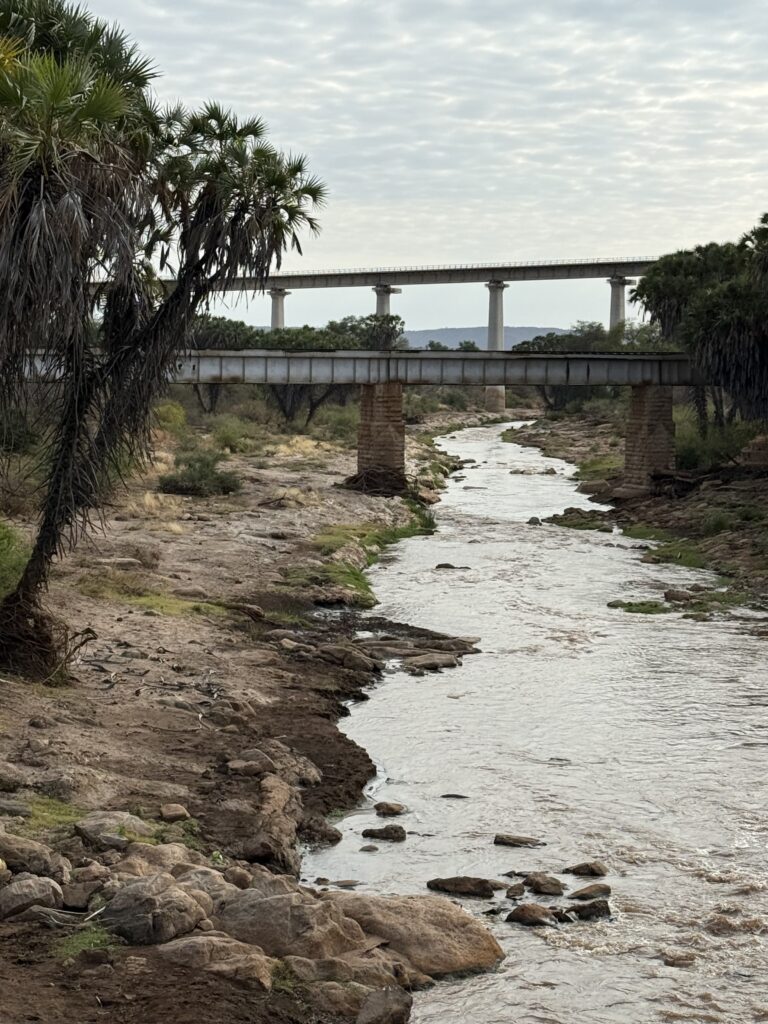
New Chinese bridge background
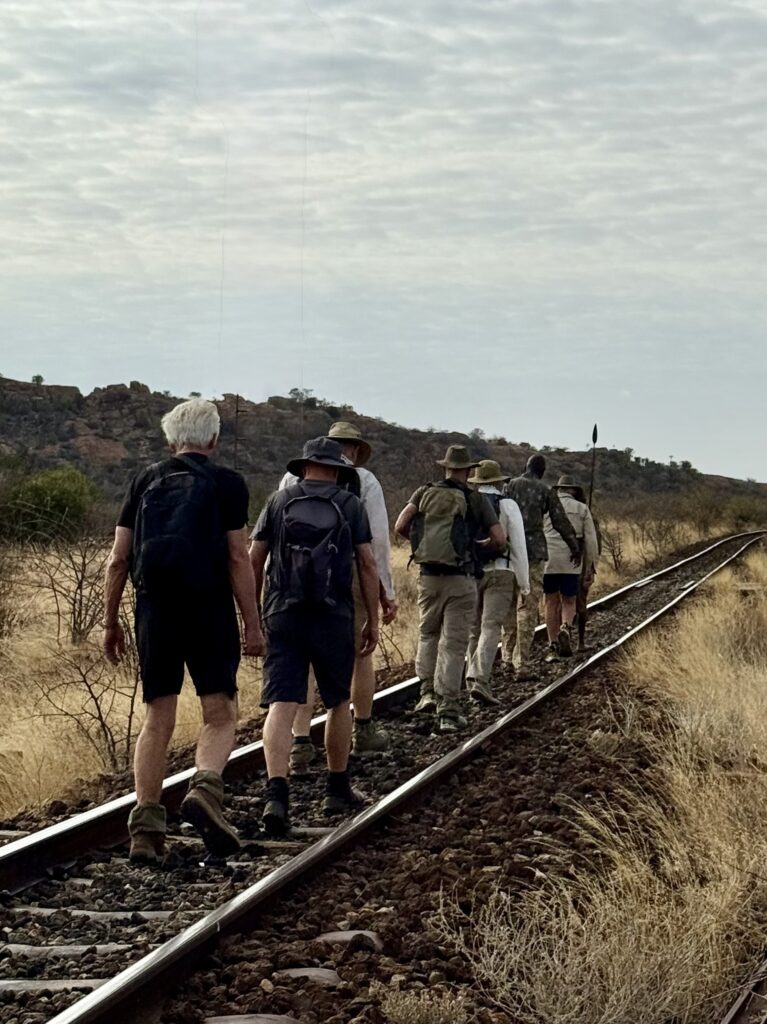
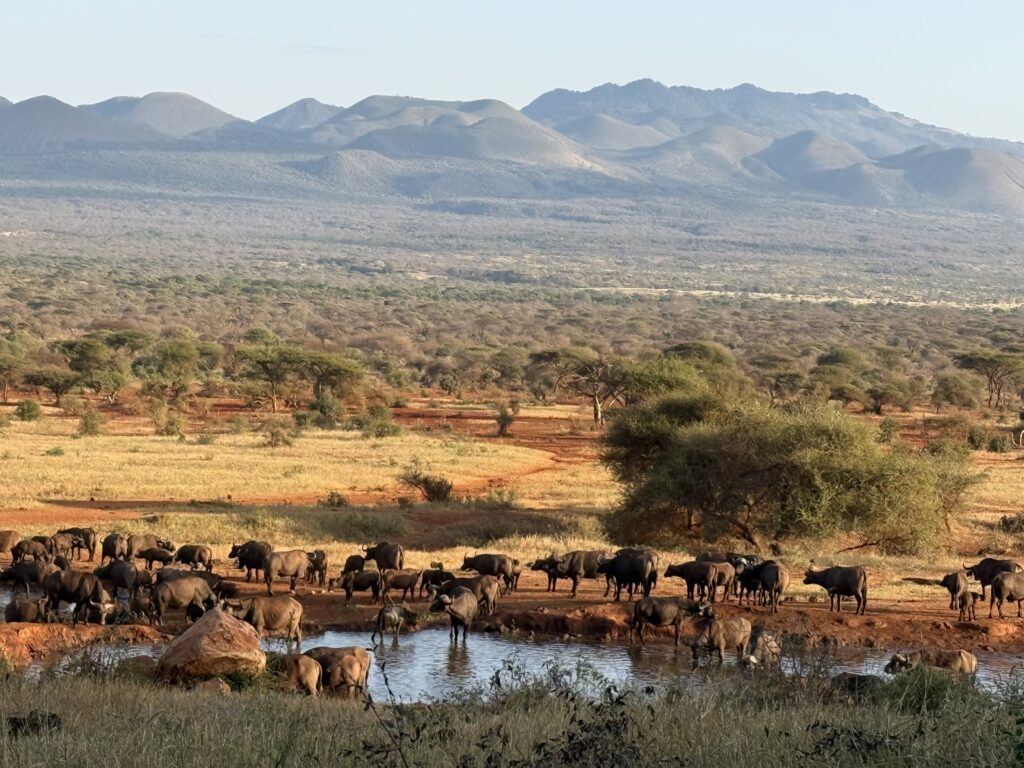
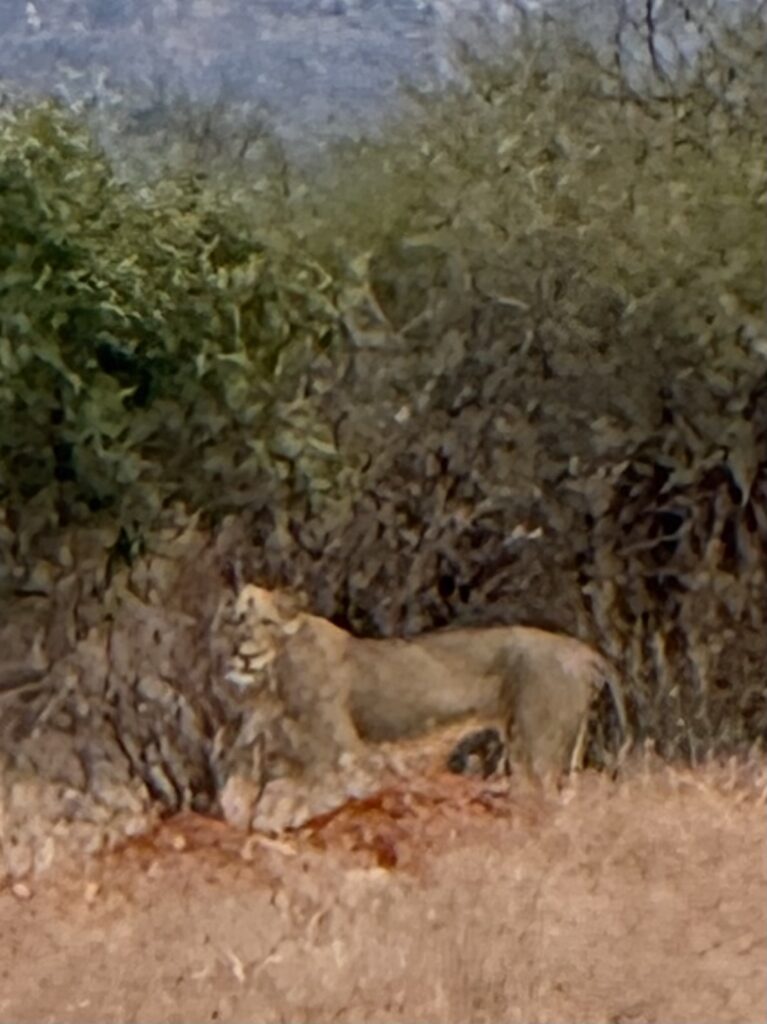
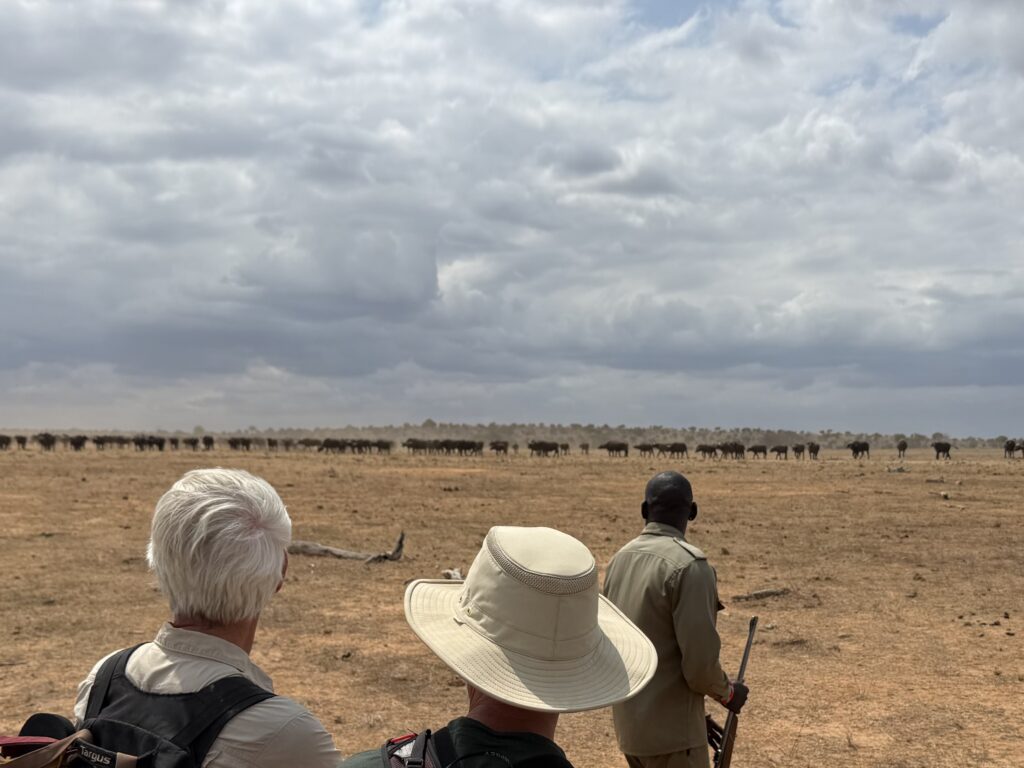
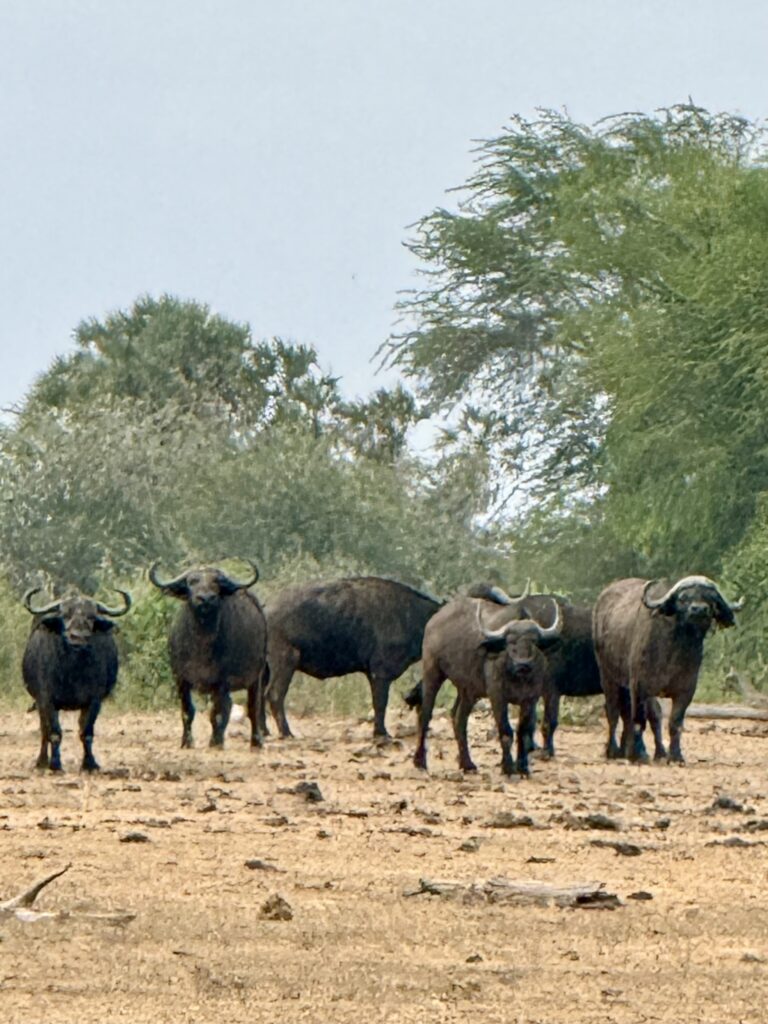
Tsavo East provides a more open landscape lending itself to greater wildlife viewing, and we have some incredible encounters while part of the buffet table. Walking along the base of the Yatta Plateau, the world’s largest lava flow visible from space, we sneak up on two lions gorging on a recent kill, hearing their disgruntled growl in the bushes. We then watch two families of about 30 elephants resting in the shade, remaining unobserved due to being downwind and quiet since their sharpest senses are smell and hearing. Elephants use their trunks to smell, telescoping them in the air, and their trunks have over 17,000 muscles, requiring babies three years to master their complex uses. Our most heart pumping experience involved a herd of nearly 500 Cape buffalo headed to the river to drink, which is where predators hang, and when the tail end spot us, the herd retreats in a stampede, then stop, turn, and stare at us, walking towards us tentatively to get a better look. When a few more spook, they stampede again, then stop and stare repeating the cycle in a swirl of dust. It’s a surreal moment to have these hundreds of beasts staring at us while we stare back clinging to our guns with a prayer.
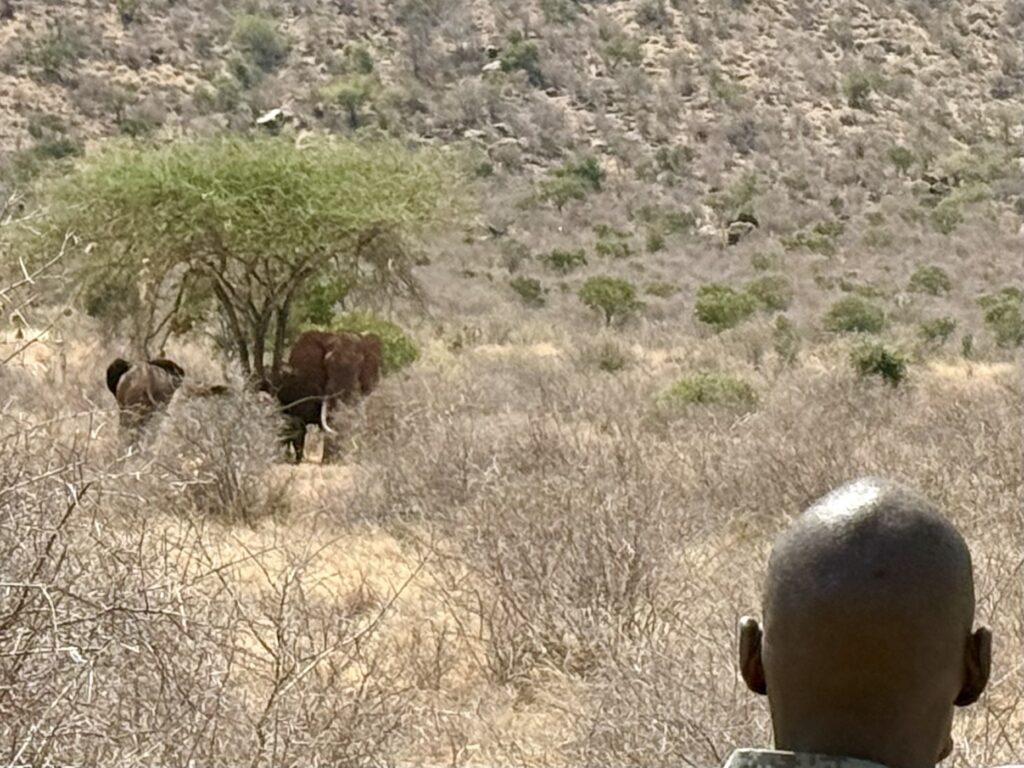
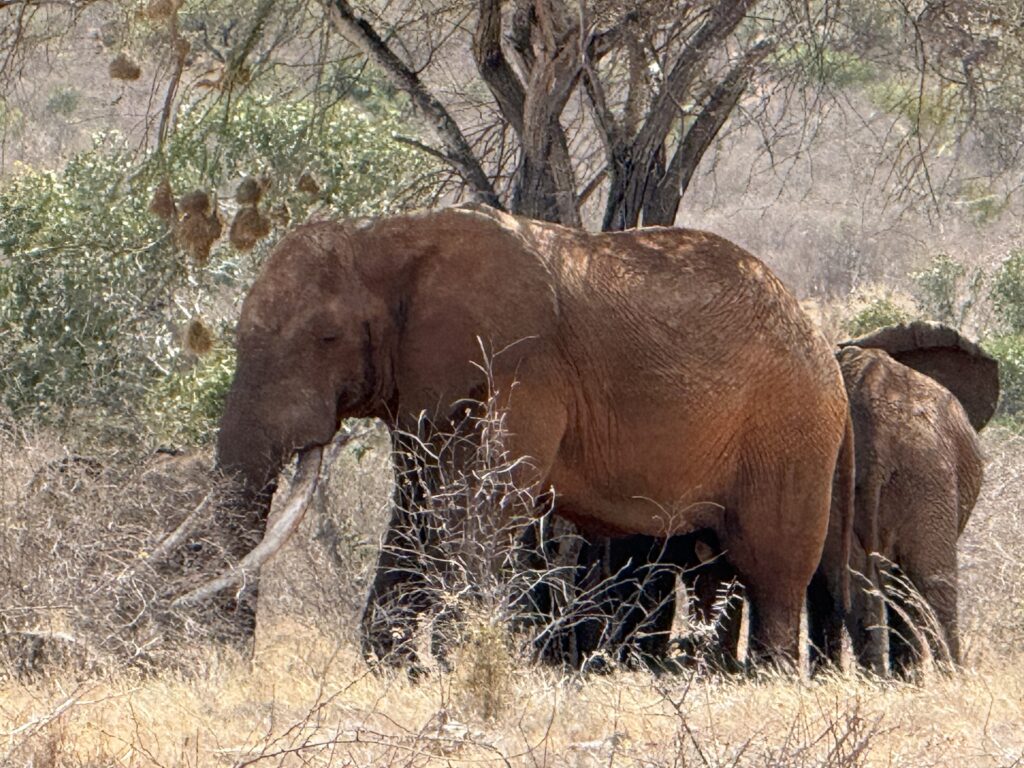
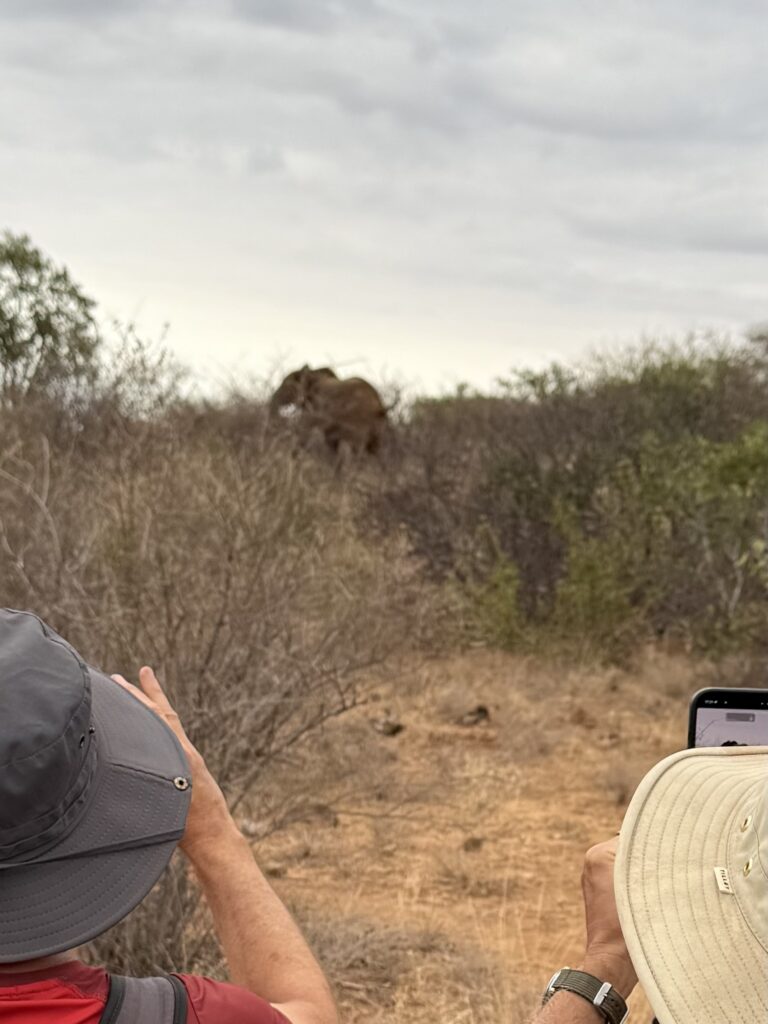
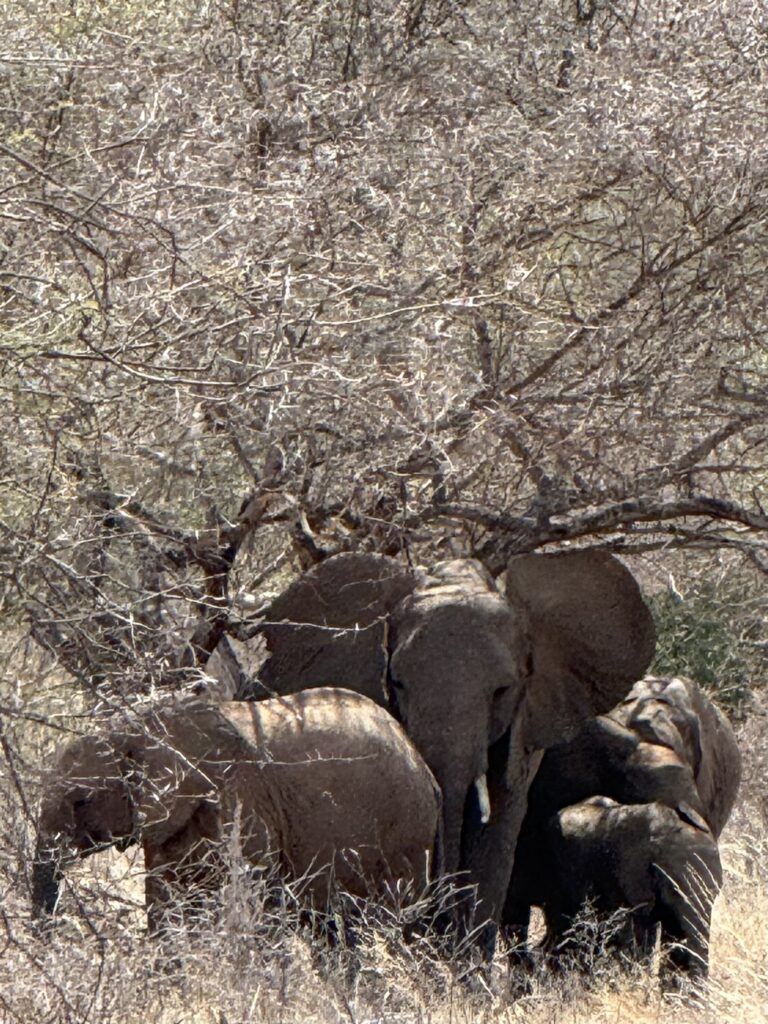
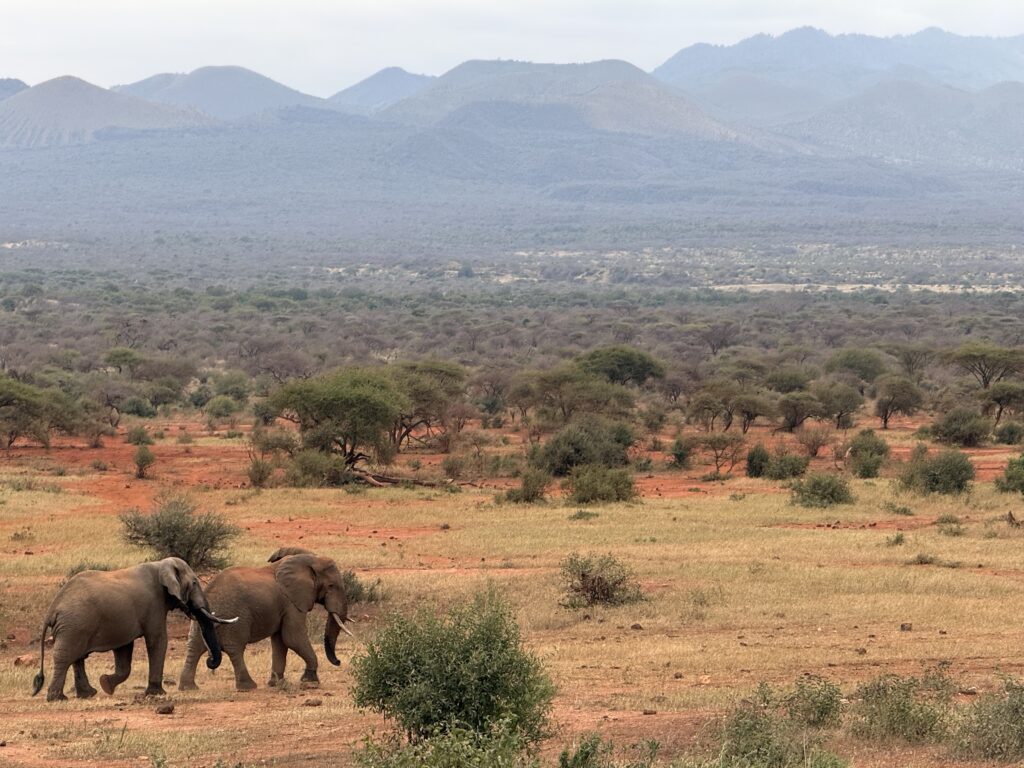
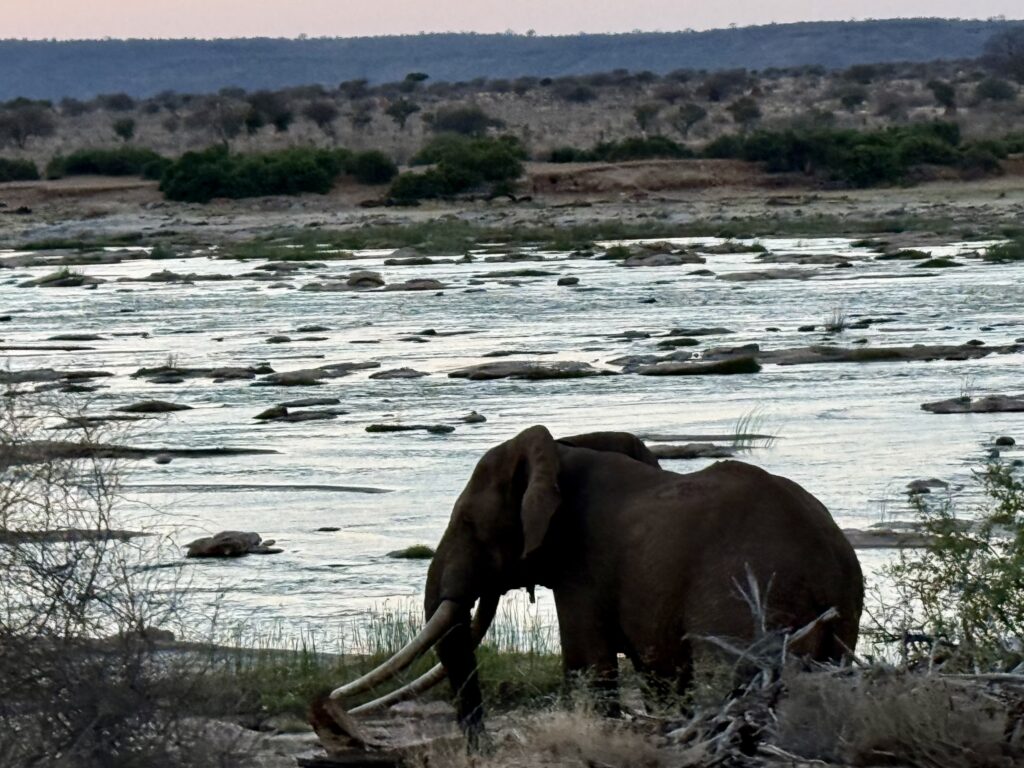
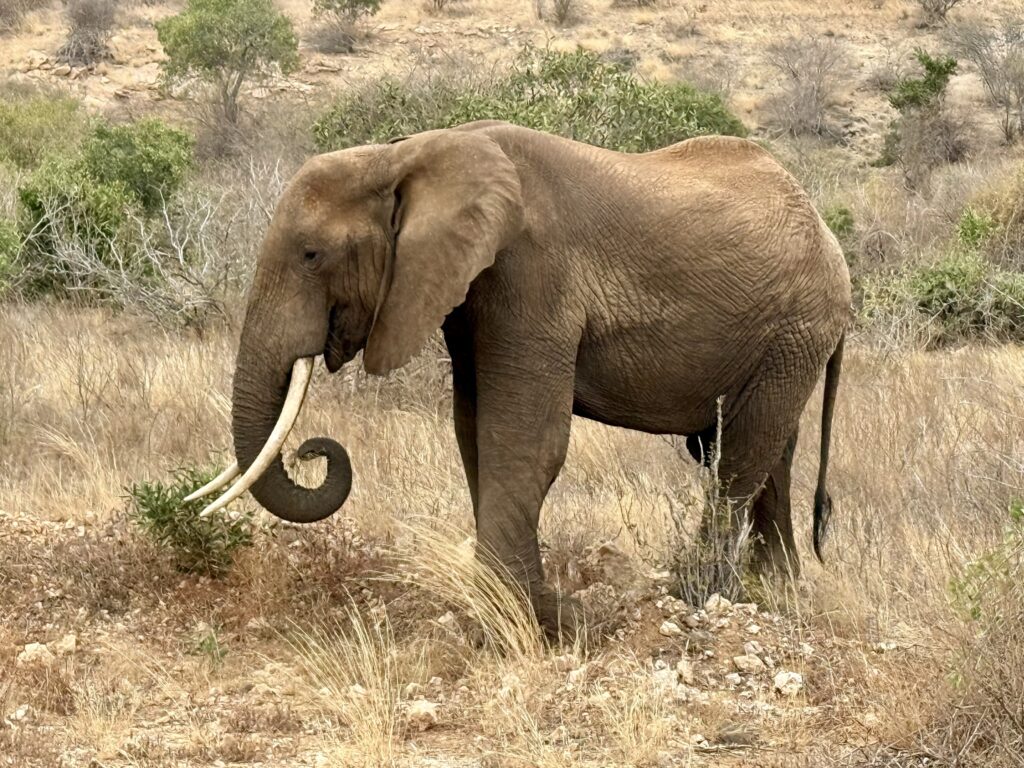
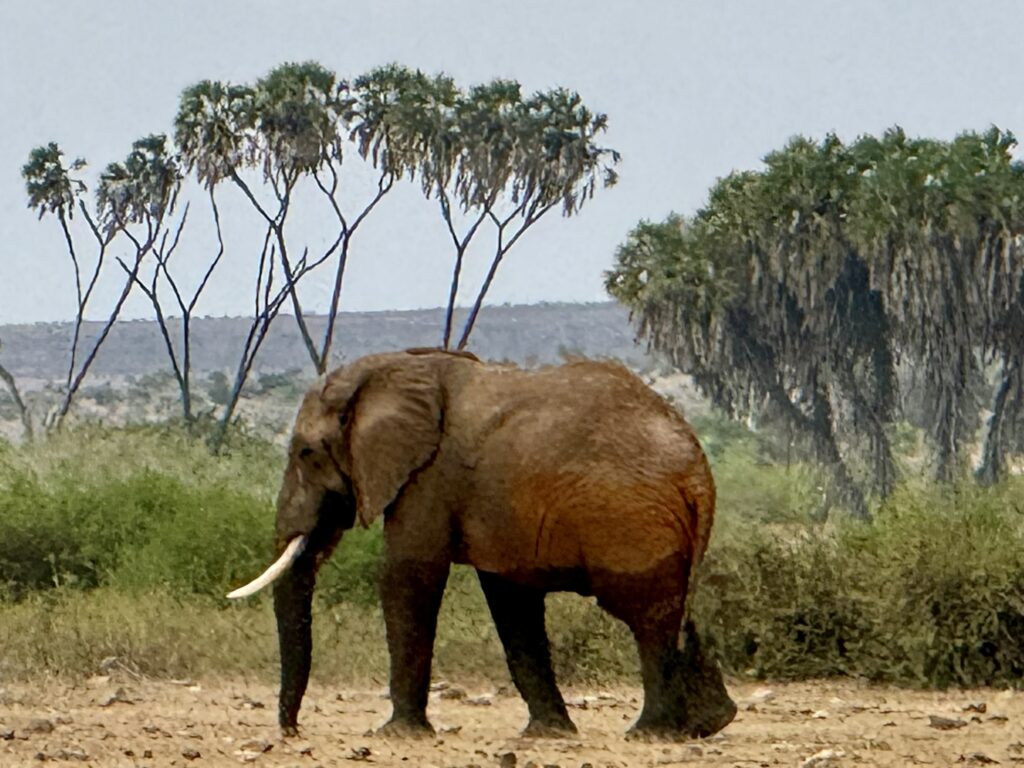
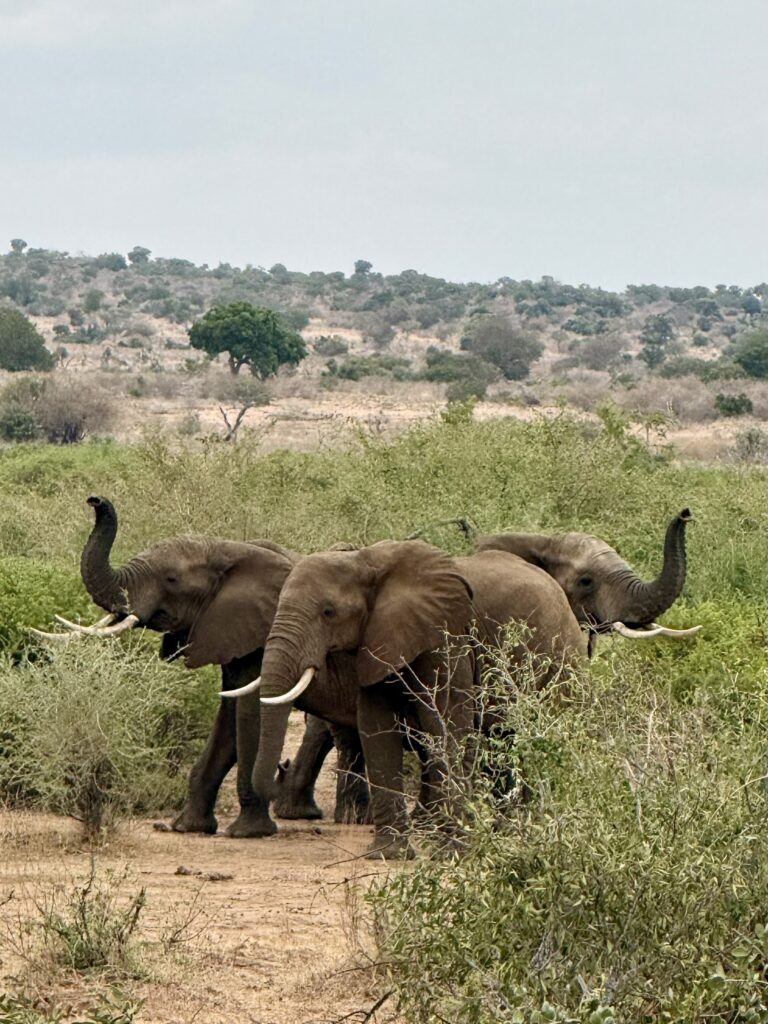
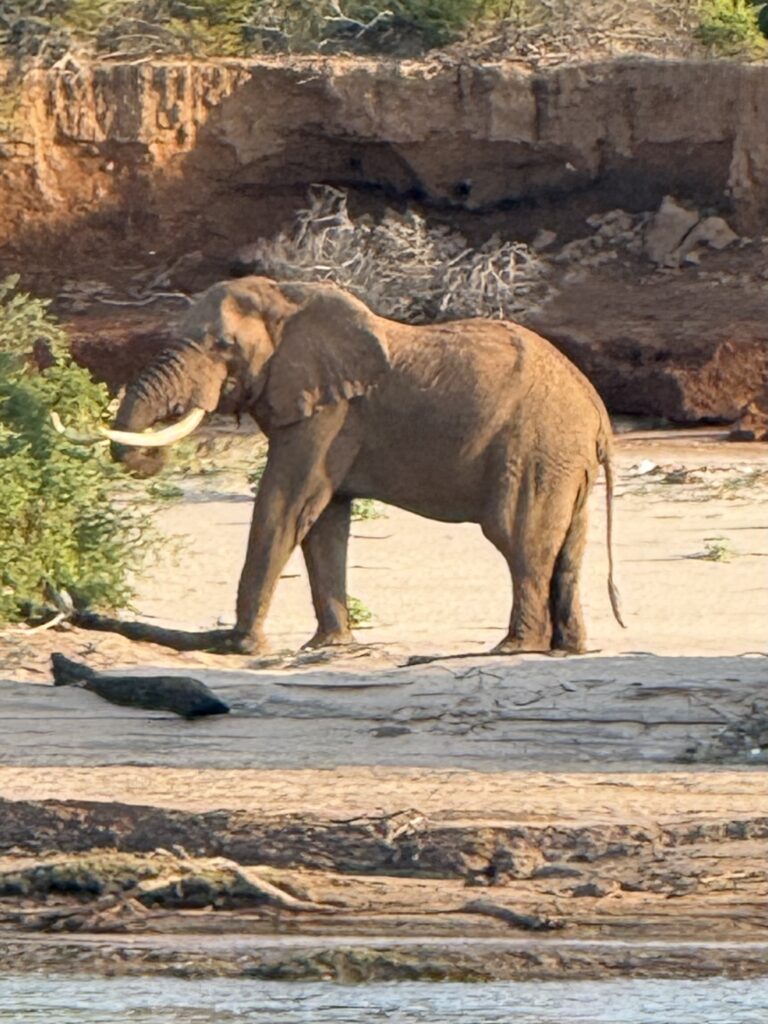
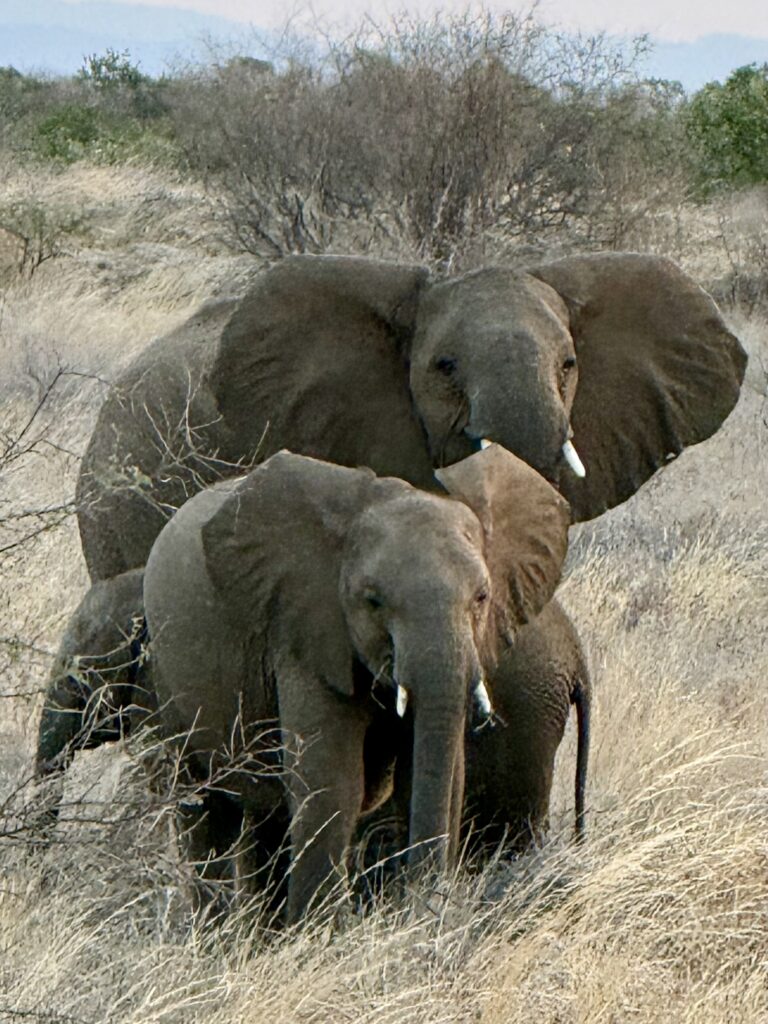
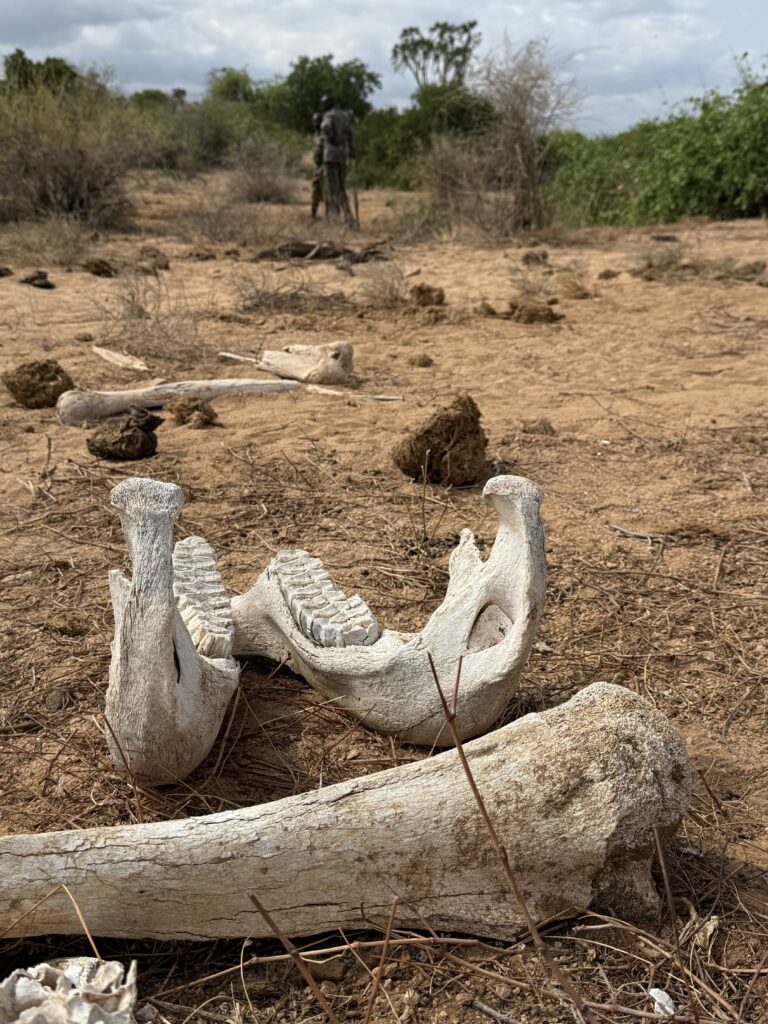
The real stars of the show are the elephants, of which there are 17,000 in Tsavo, over half of the population in Kenya, up from 4,800 at its poaching nadir. Due to their extremely high intelligence, they operate as families, not herds, with mothers and children staying close even after females have broken out to start their own families. Bulls are mostly loners, connecting with families to mate with the matriarch deciding the best match. They can communicate up to 6 miles apart and live up to 60 years, dying after their 6th set of teeth wear down. A sweat gland above their eye reveals their mood, sweating when under stress, and they deeply mourn family members who’ve died, caressing their dead body, visiting their remains for years to come, and even carrying their bones as mementos. Using technology developed for interpreting whale and dolphin sounds, Kenyan elephant experts Cynthia Moss and Joyce Poole have determined that elephants even give each other names. It is clear that elephants are highly evolved emotional beings, and it’s inconceivable to imagine killing them for sport or ivory.
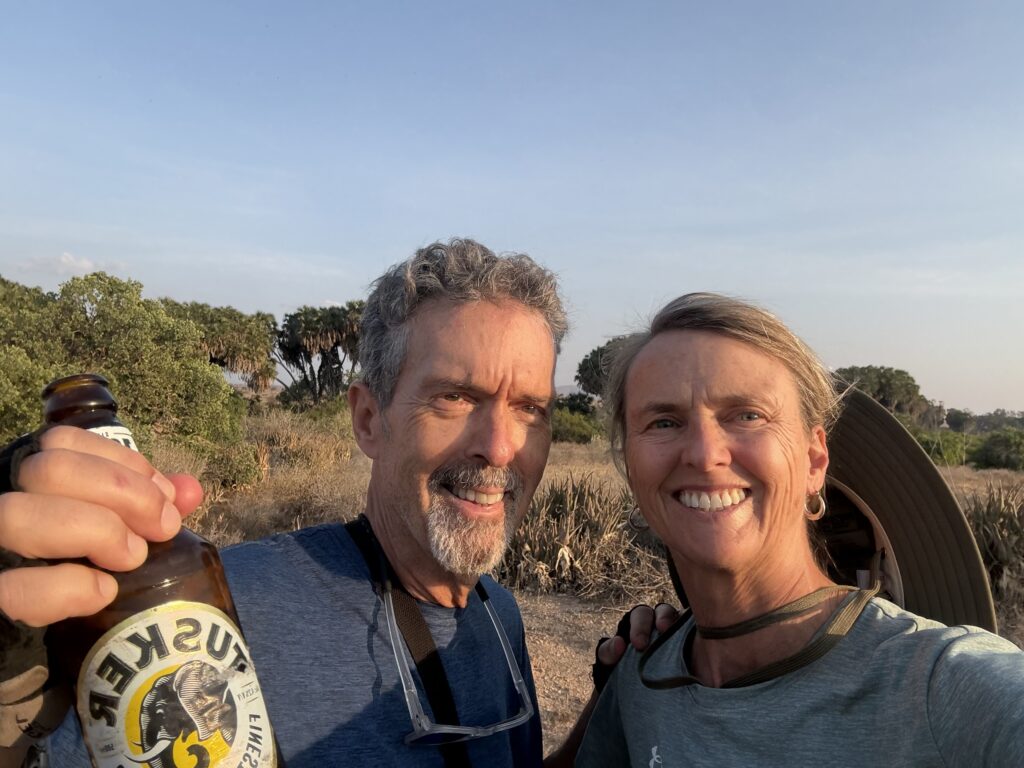
As we wrap up our trans Tsavo journey, we revel in the isolation and beauty of our surroundings, such a rare occurrence in today’s world, and our accomplishment of completion, seeing on the distant horizon the many landmarks we’d passed. I had to abstain from 1.5 days due to a cold but my studly hubby walked all 100 miles with a grin. We end with a celebratory cold Tusker at the finish line, ready to hang up our boots for a bit. We drive out of the park to Watamu, which has evolved from the dirt road destination of our 1994 honeymoon, and fly to the coastal town of Lamu for some rest and relaxation.
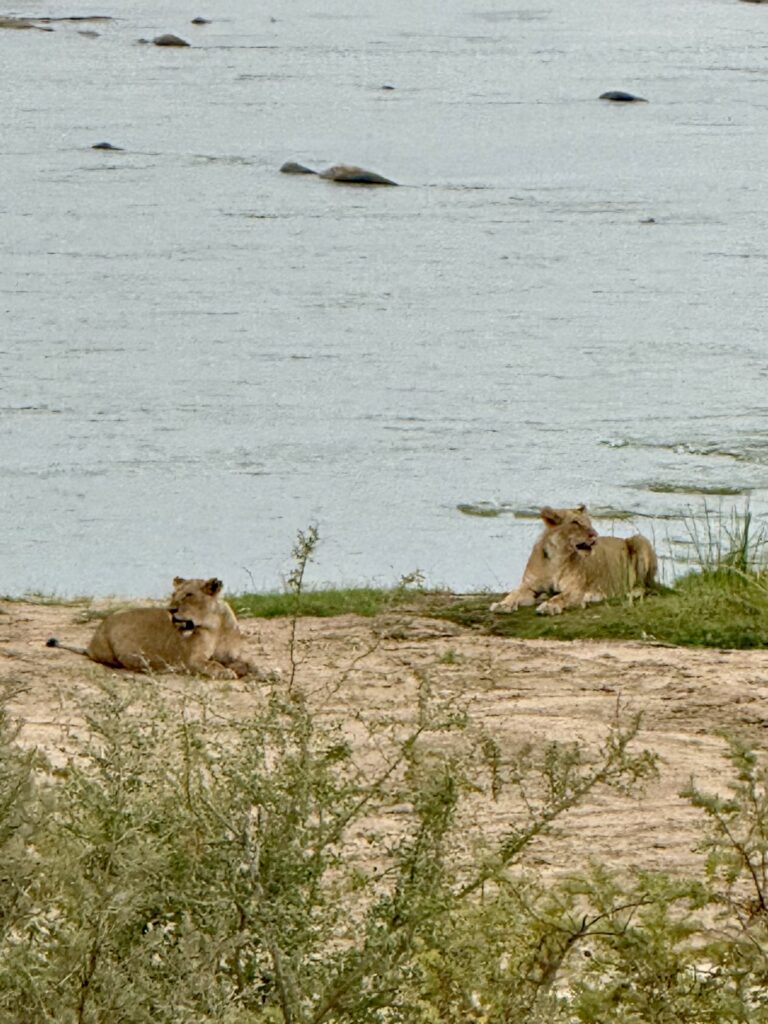
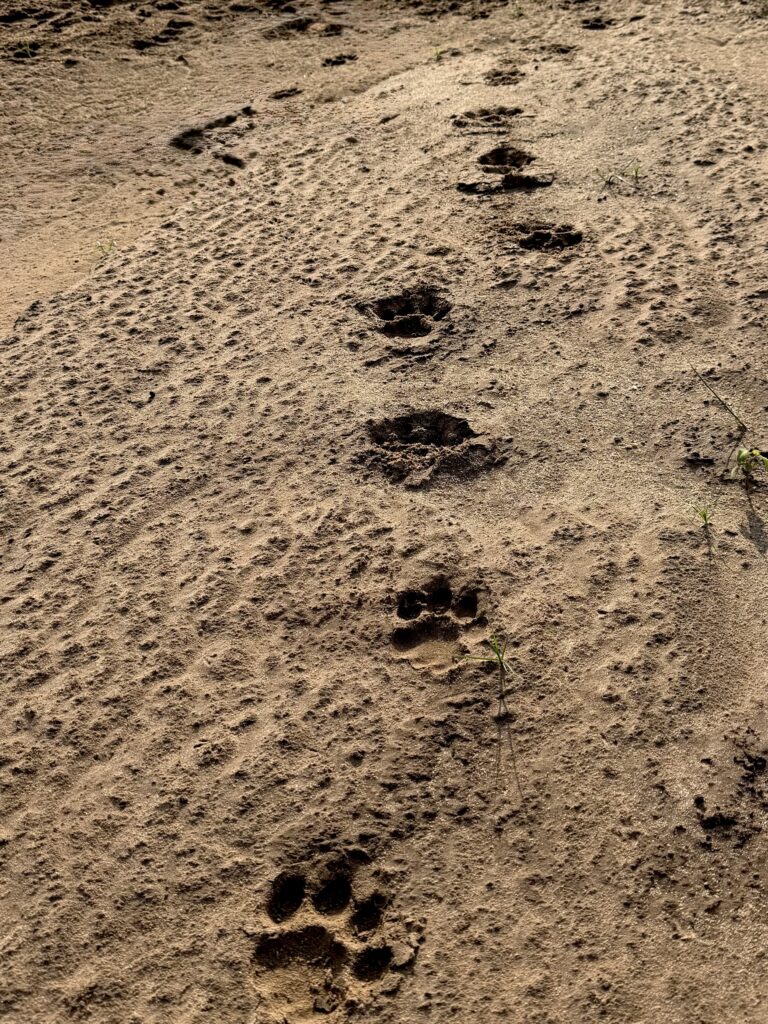
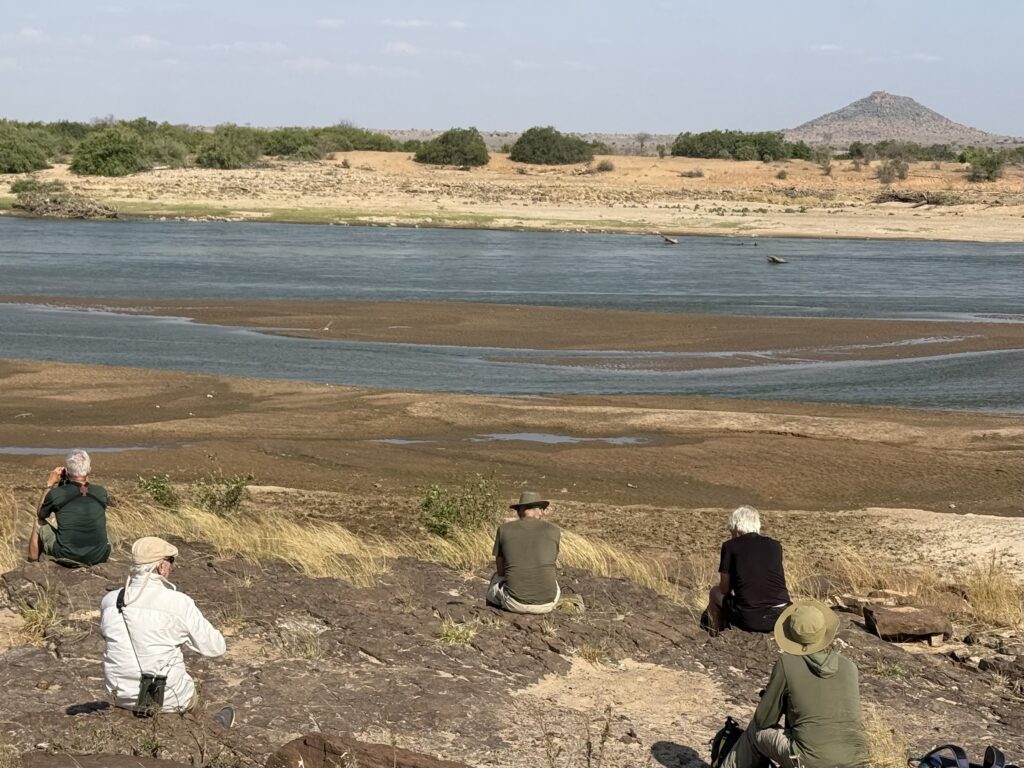
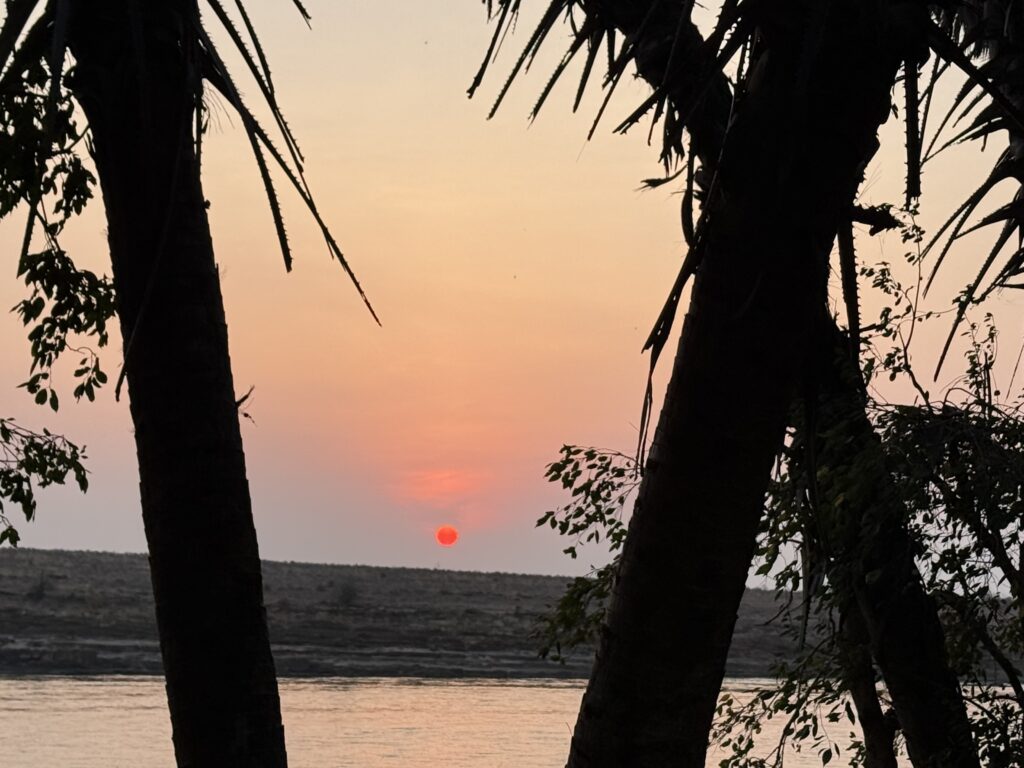
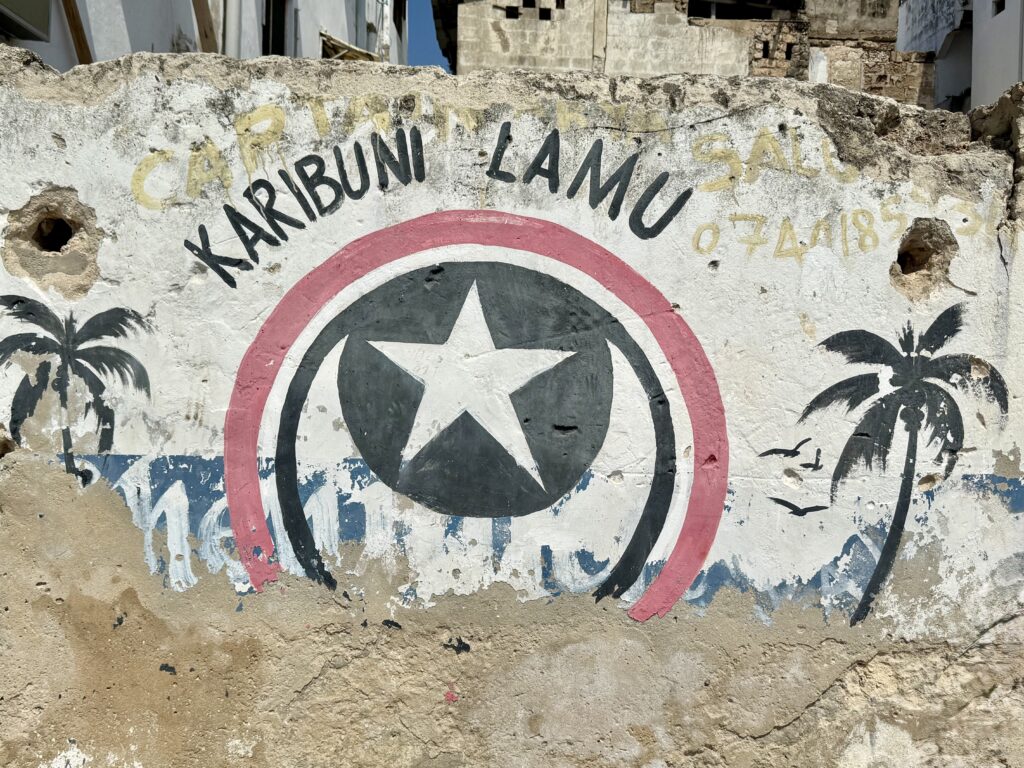
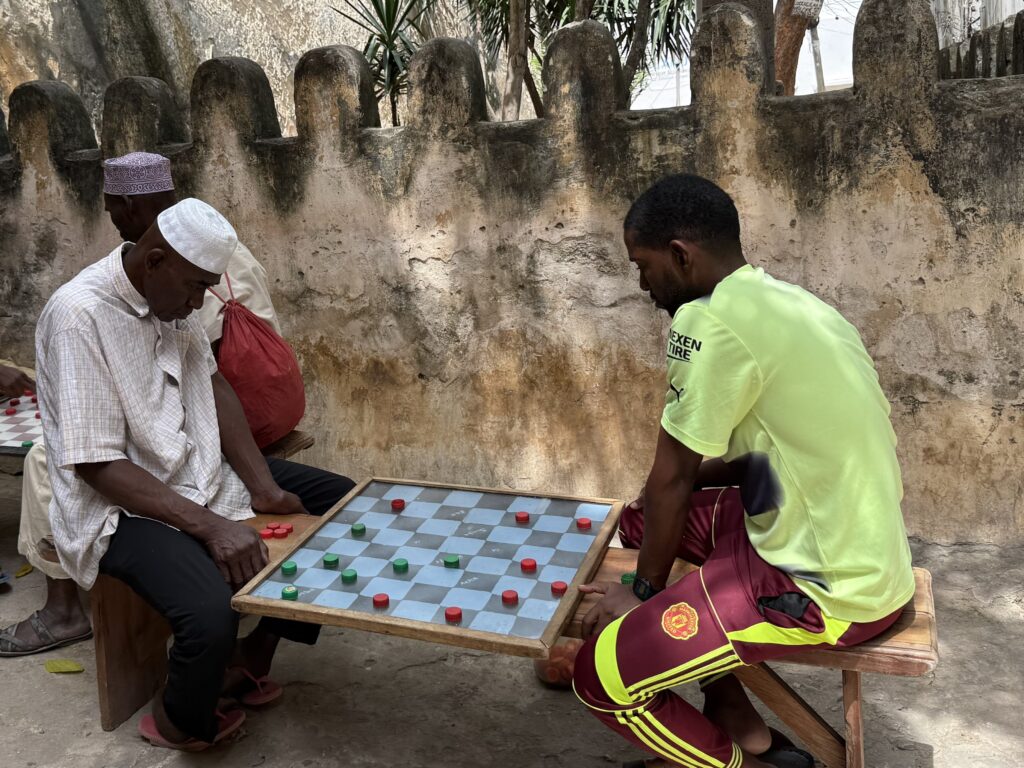
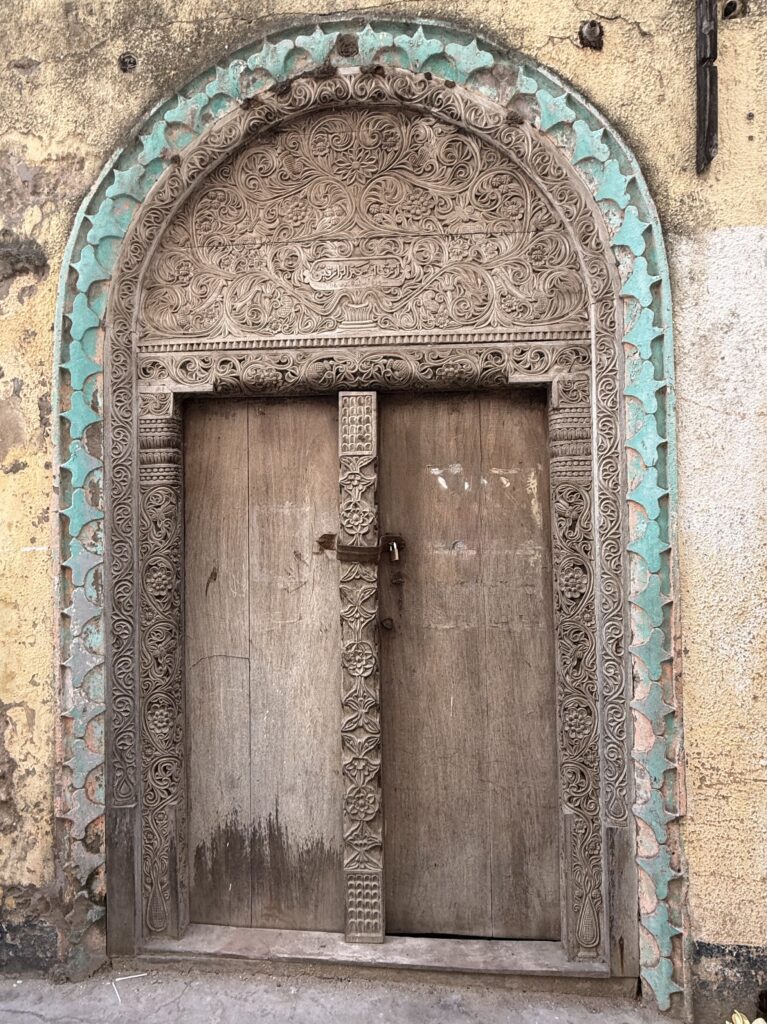
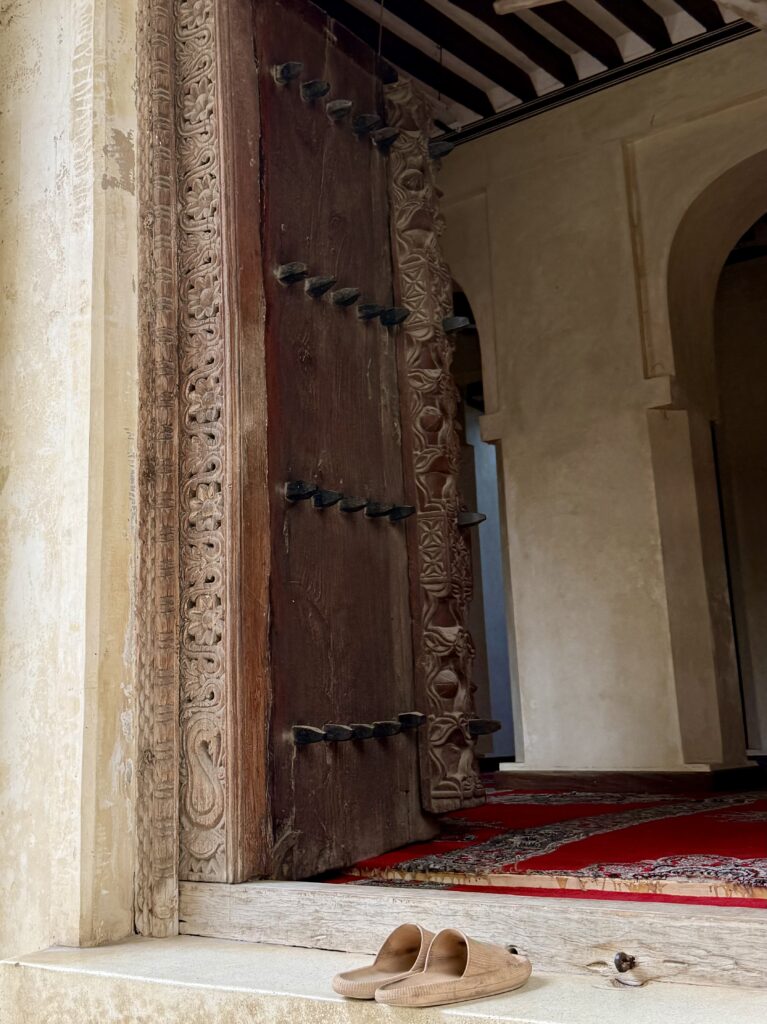
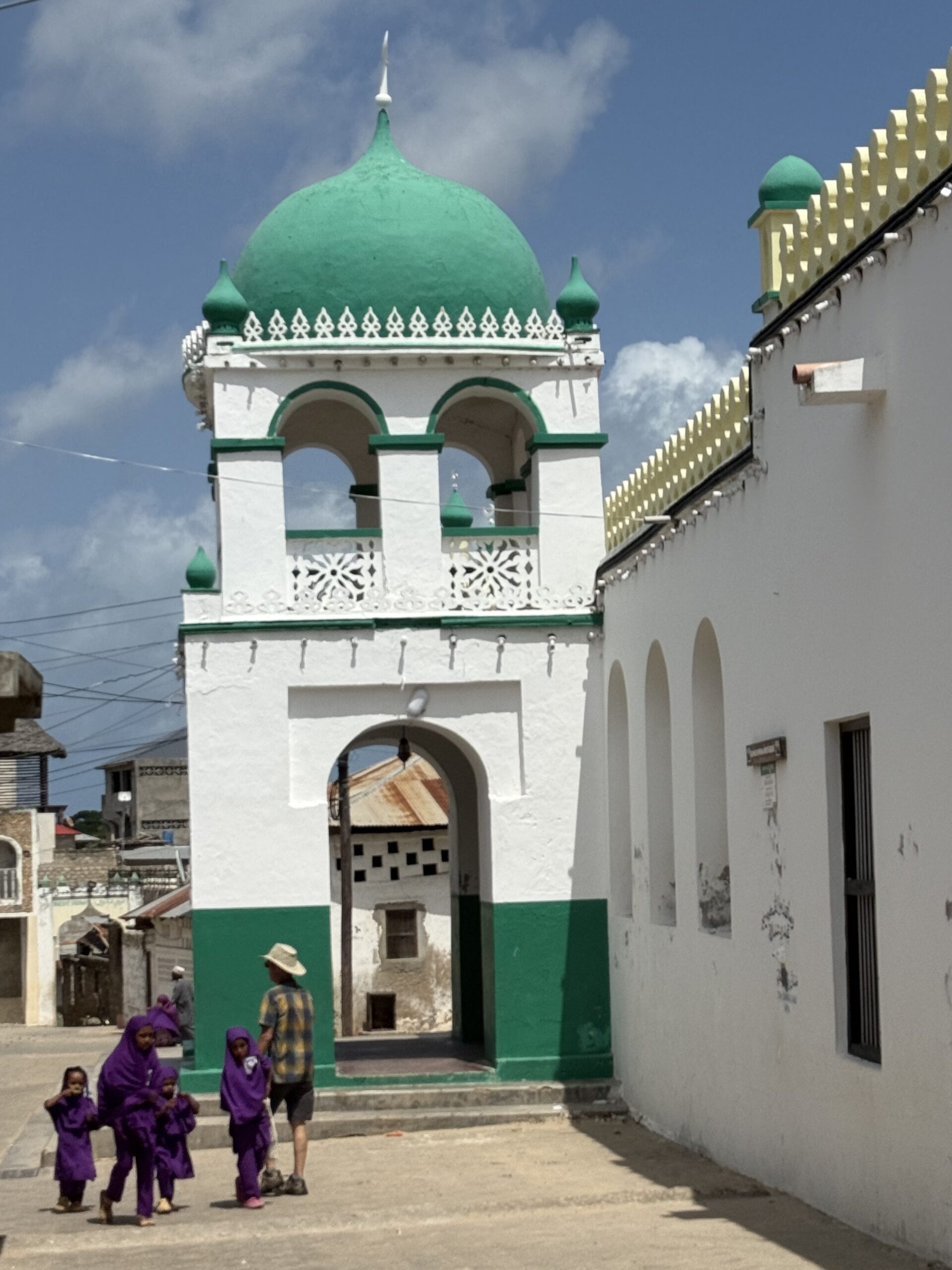
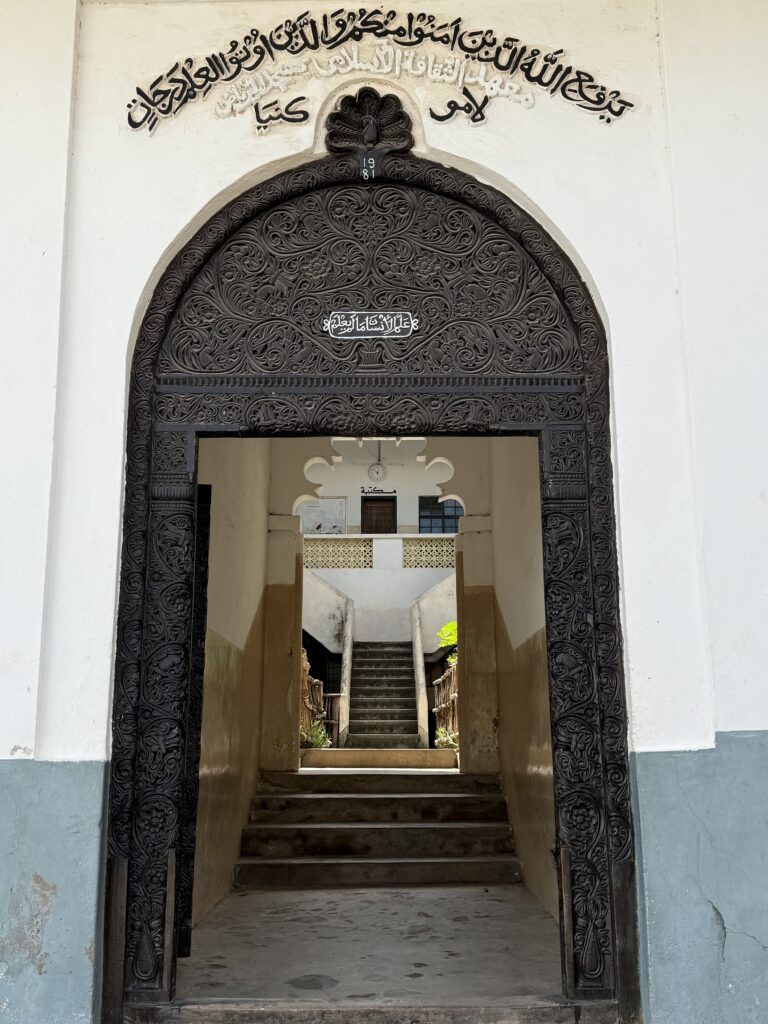
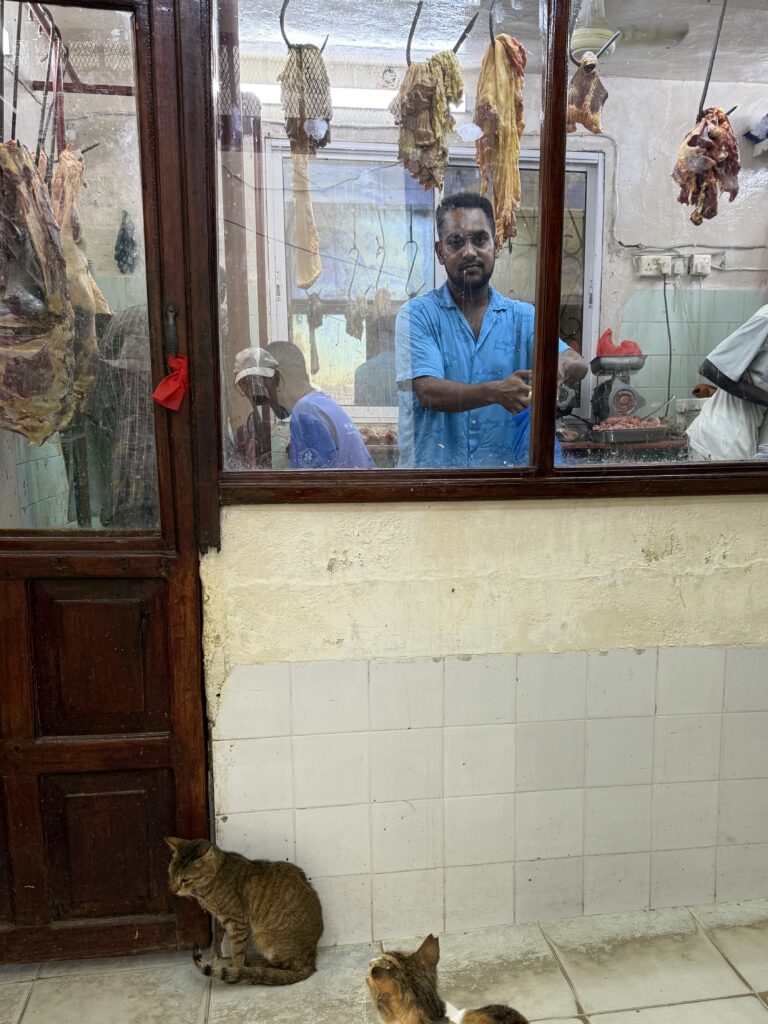
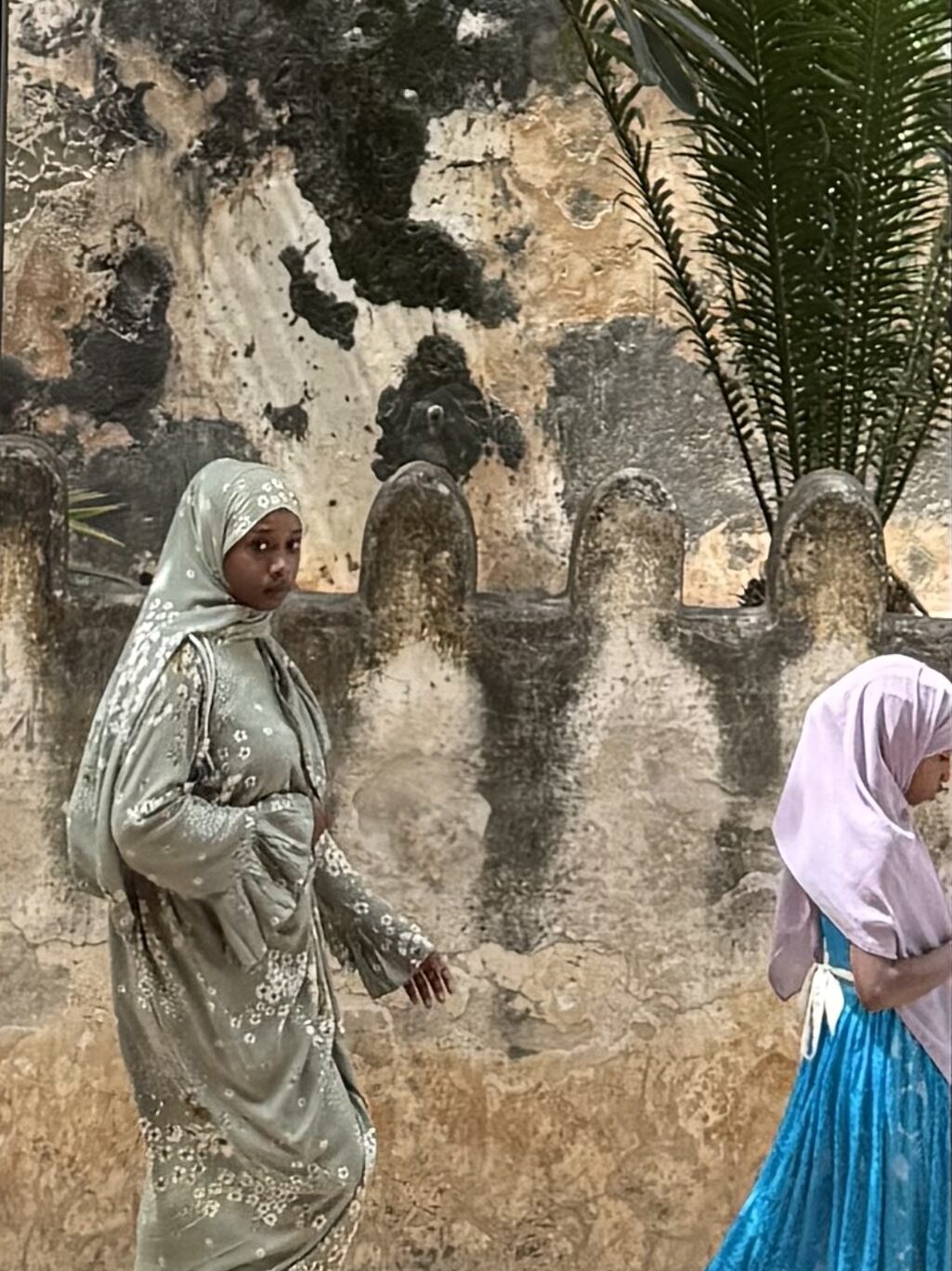
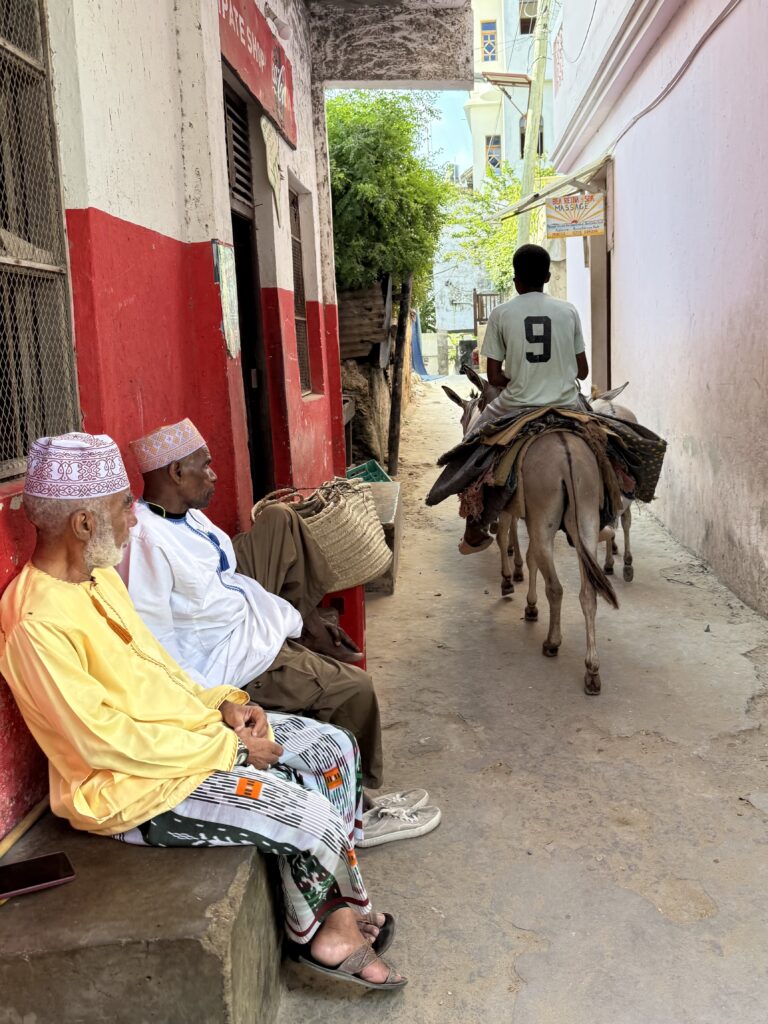
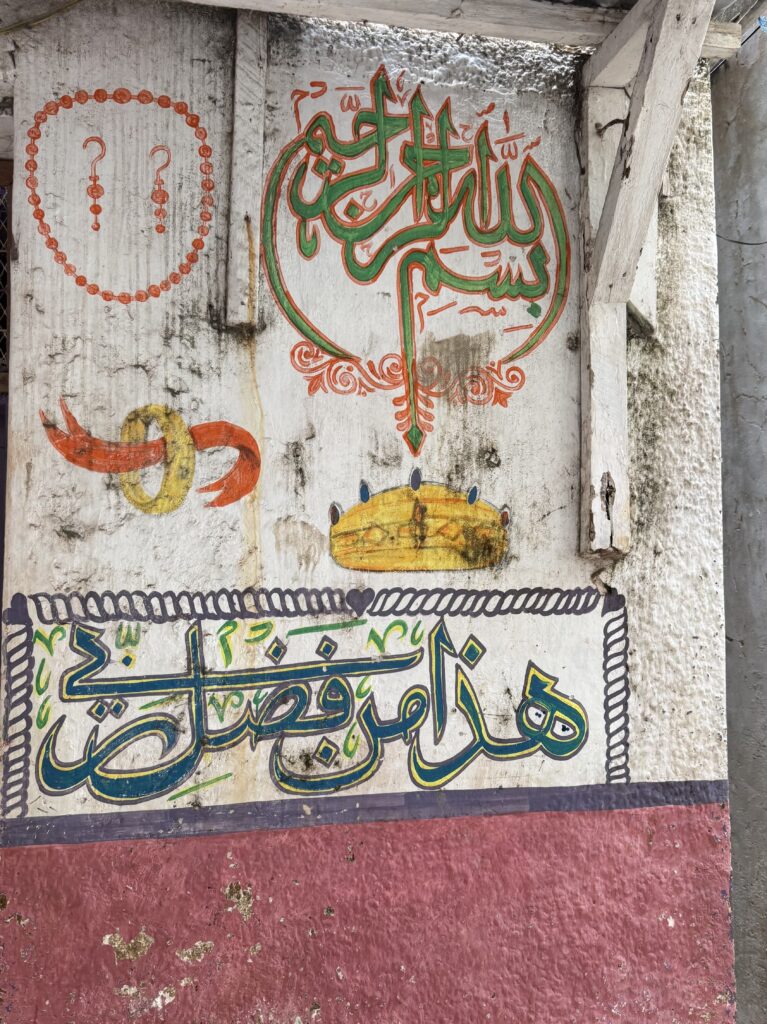
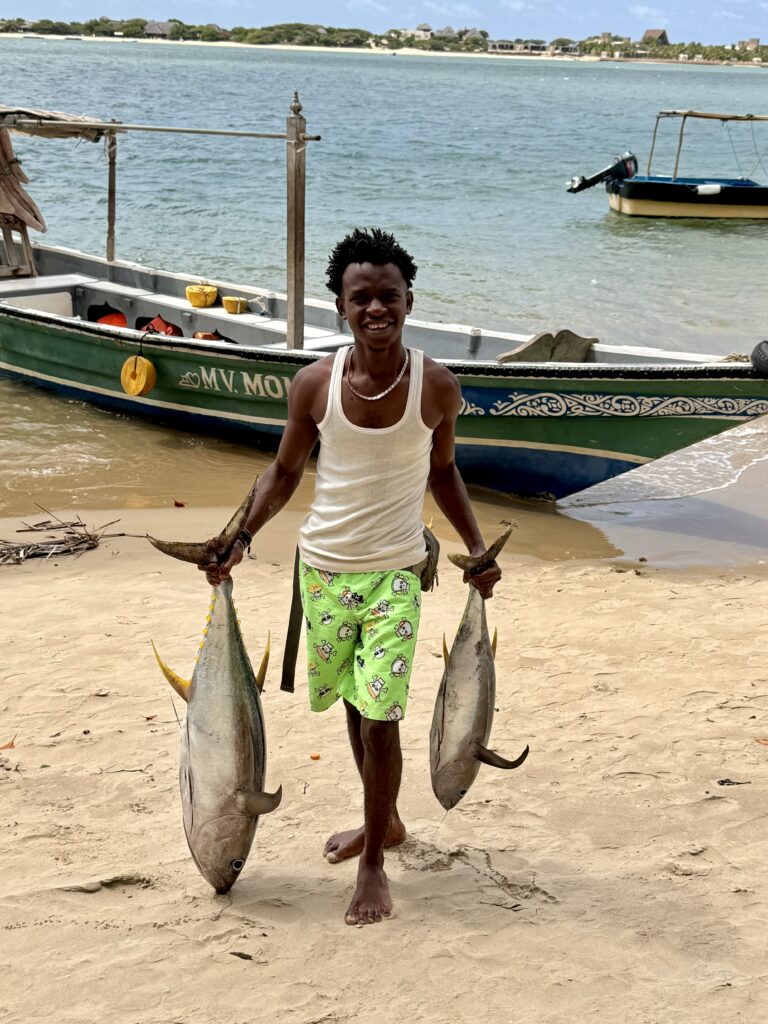
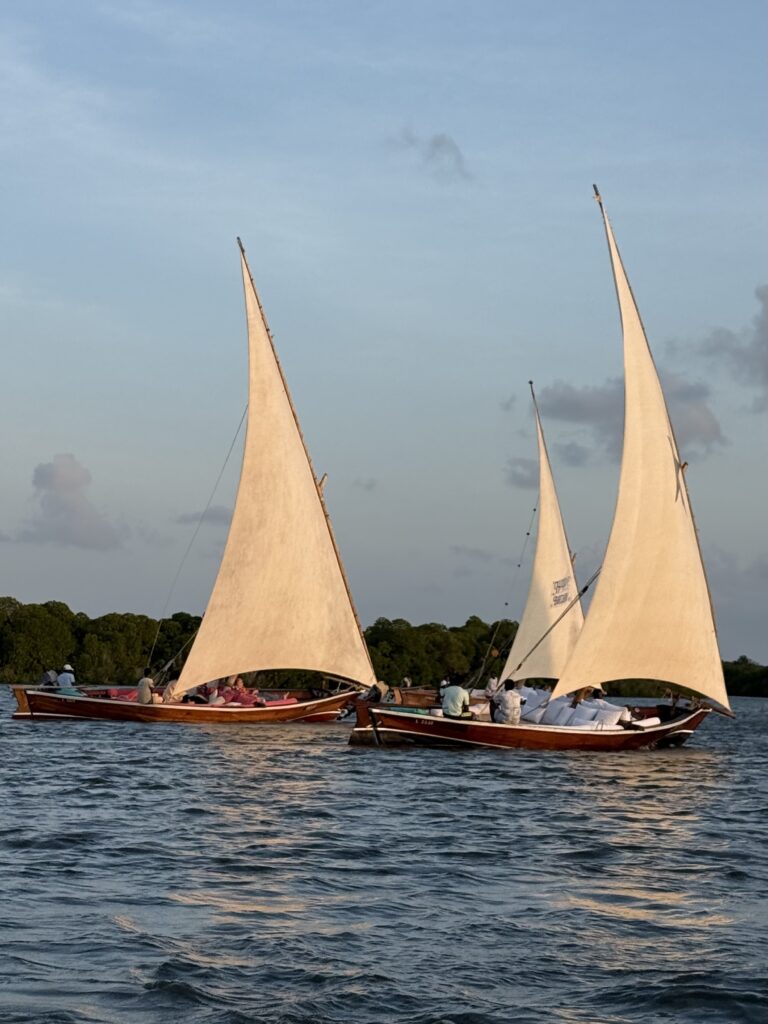
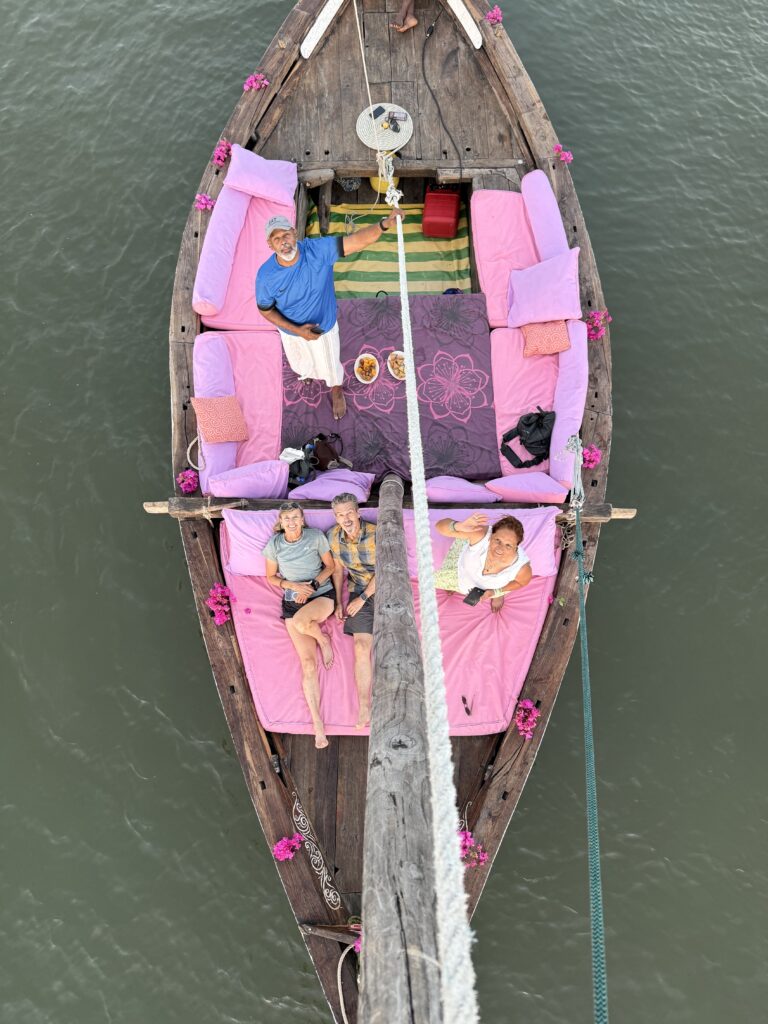
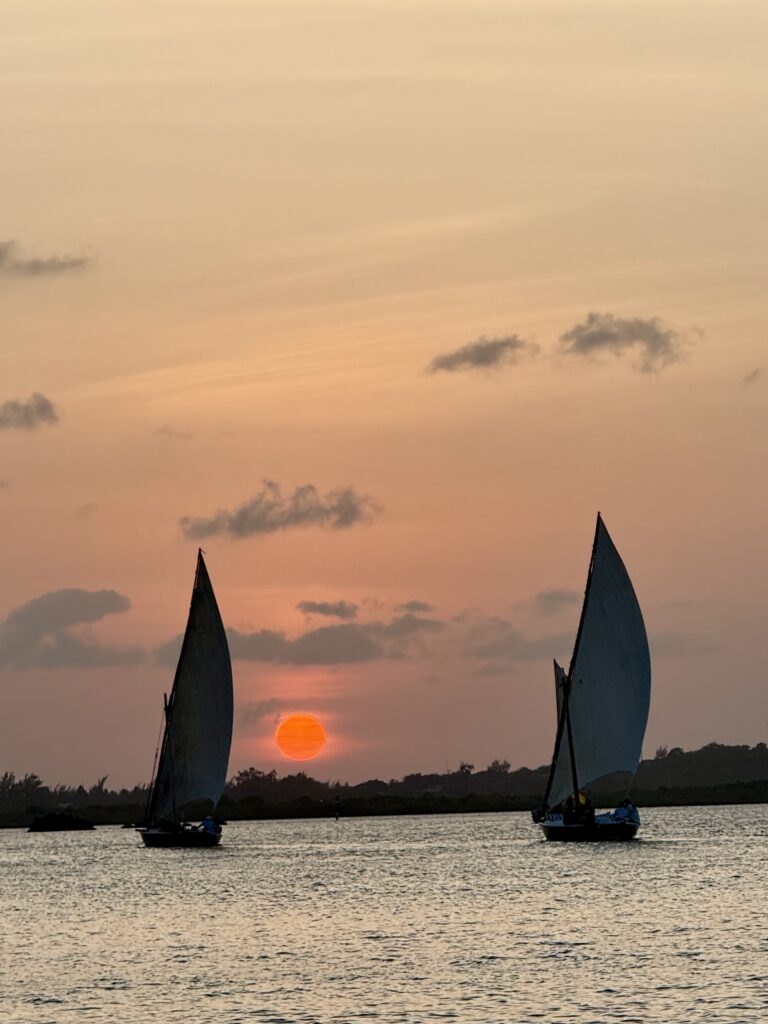
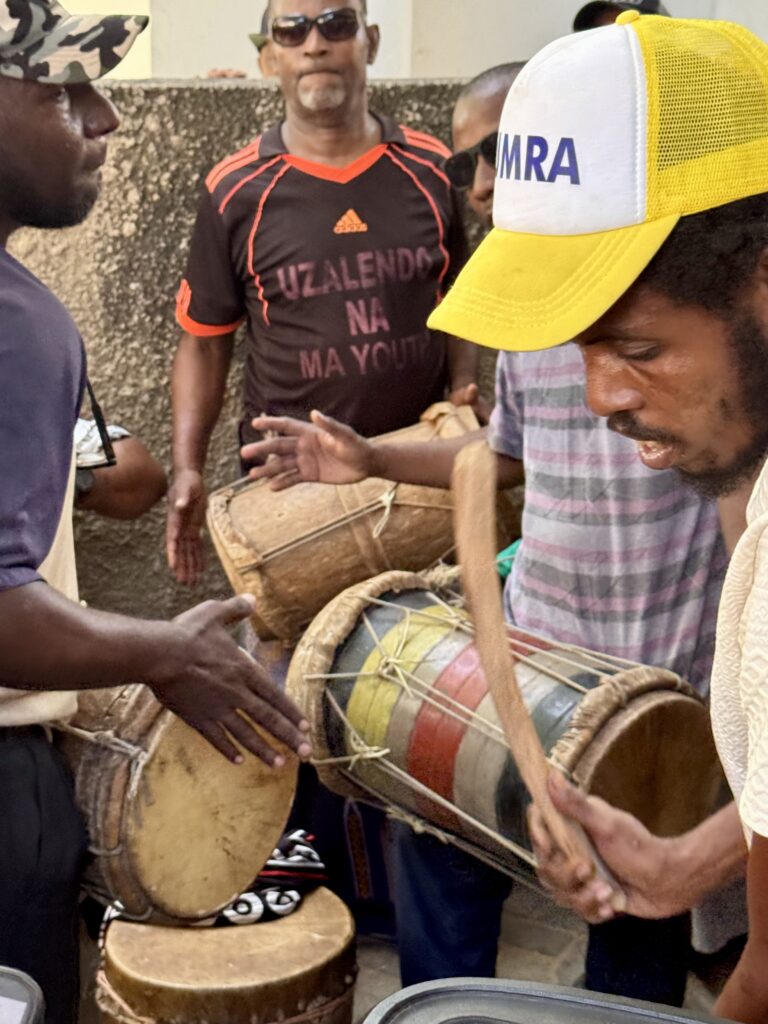
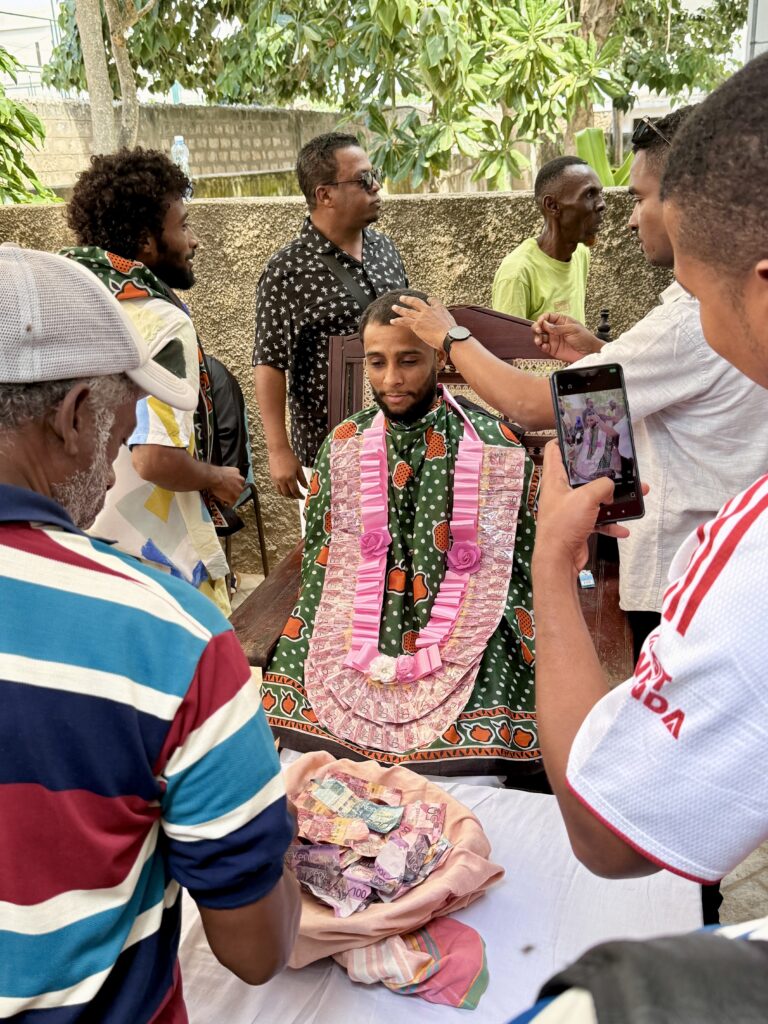
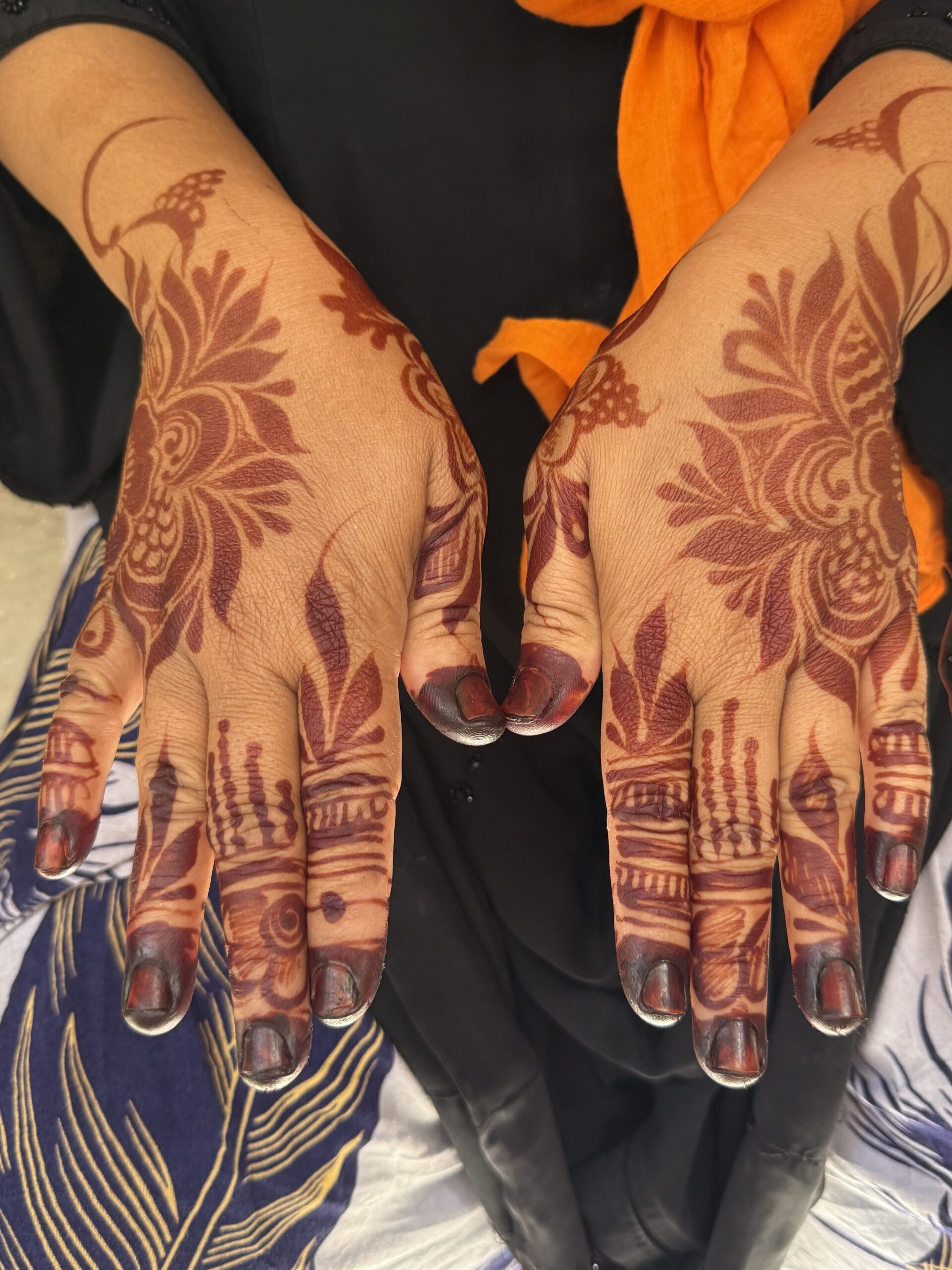
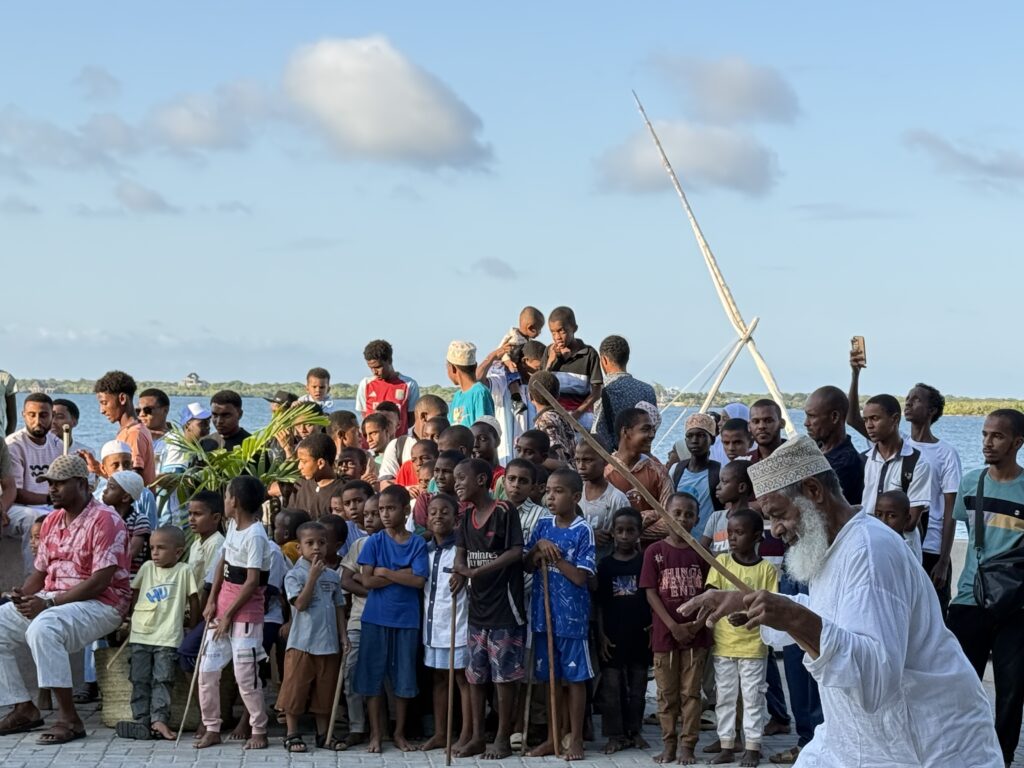
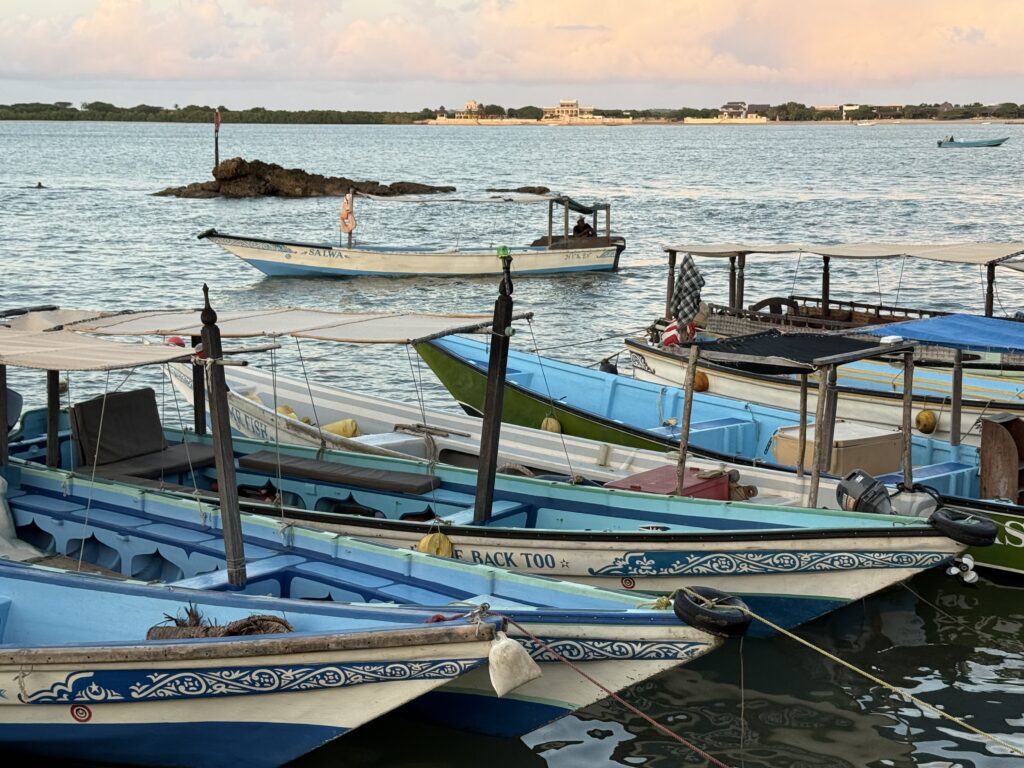
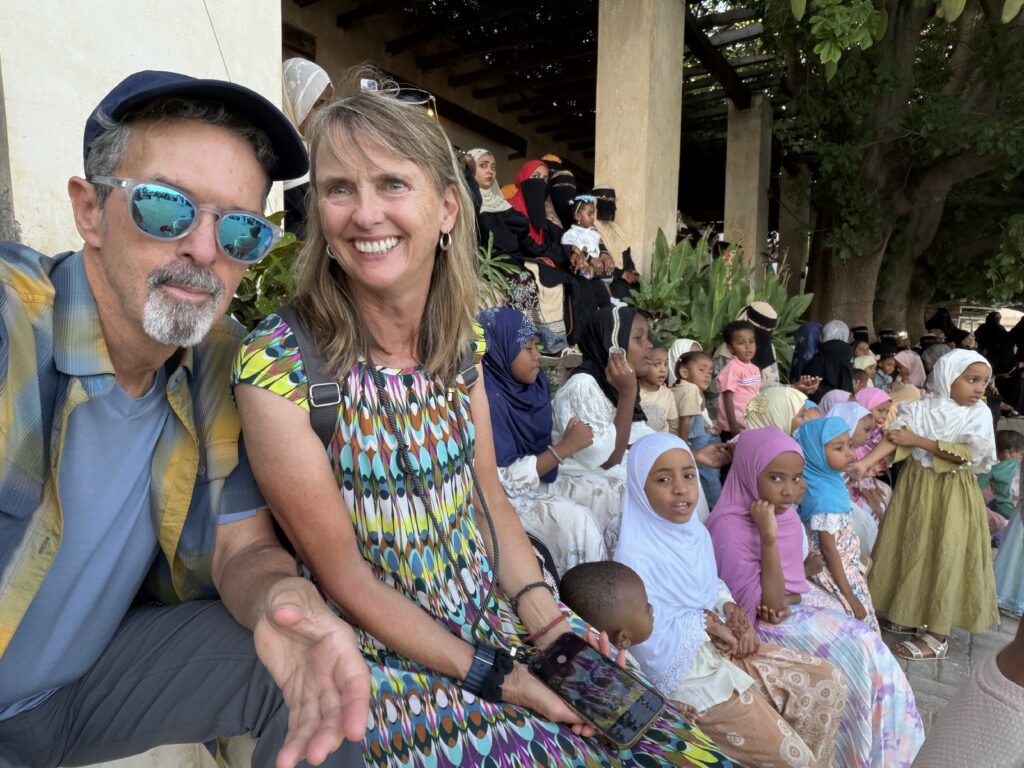
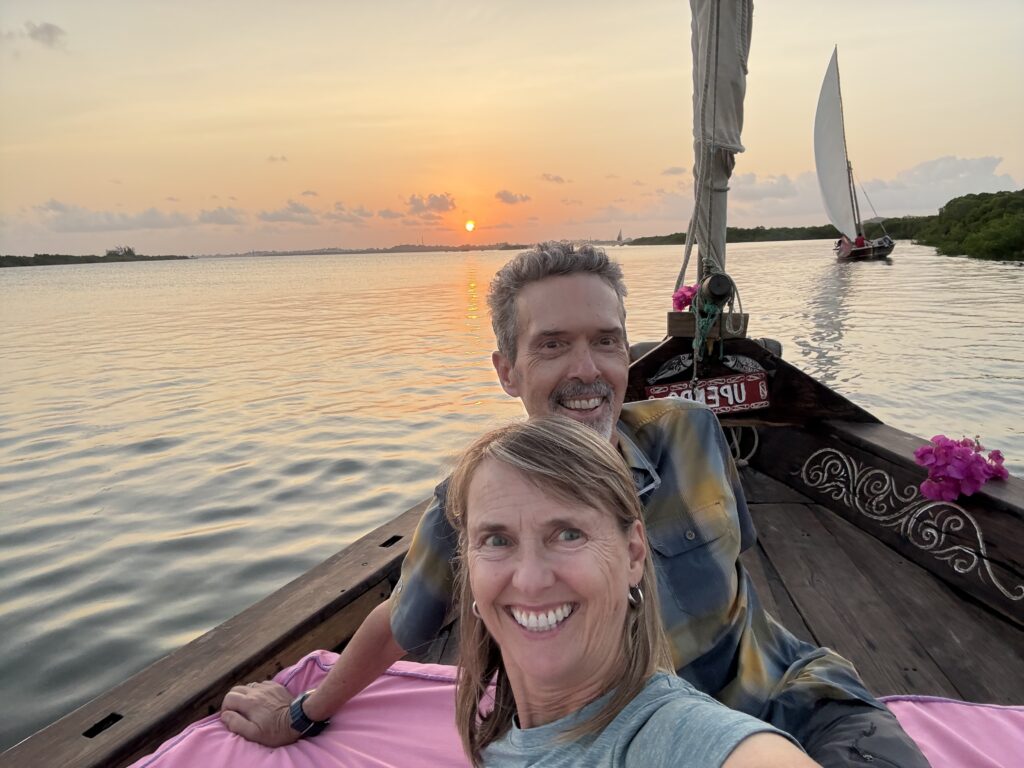
The eastern coastline of Africa is Muslim due to early settlements by Arab traders, and Lamu is no exception, having been established in the 14th century supporting maritime trade with Arab, Persian, Indian, and European traders. Lamu Old Town is a UNESCO World Heritage site as the oldest and best preserved Swahili settlement in East Africa with a population of 30,000 and, with only 4 cars on the island, it is a donkey-driven economy. The alleyways are narrow, dominated by donkey right of way. The buildings are decorated with elaborately carved wooden doors and locally harvested coral overlay, providing thermal insulation and maintaining historical heritage but at an environmental cost. Flyover rooms were built to connect buildings so women could congregate with propriety. We sail on a dhow through the mangrove swamps at sunset, relaxing on the beamy deck, and Brian watches the World Cup final at the legendary watering hole Peponi’s with a global clientele including many over-the-moon Spaniards. Our visit overlaps with the week-long wedding of village elites and we score invites to many events, including a women-only gathering (kupamba) with dancing and a parade of the bridal gifts, a male-only vow ceremony (nikah) where a boy recites the Koran by heart, a public stick fight (kirumbizi) with male mock combatants swapping out to the rhythmic drum beat, and the groom’s haircutting public ceremony (kunyoza) where men dance and sing marital advice, with all events allowing participants to gift money to the bride and groom, usually being stuffed into clothing or pinned in envelopes to clothing. We are thrilled to be able to observe these rare events, frequently being the only whites in attendance.
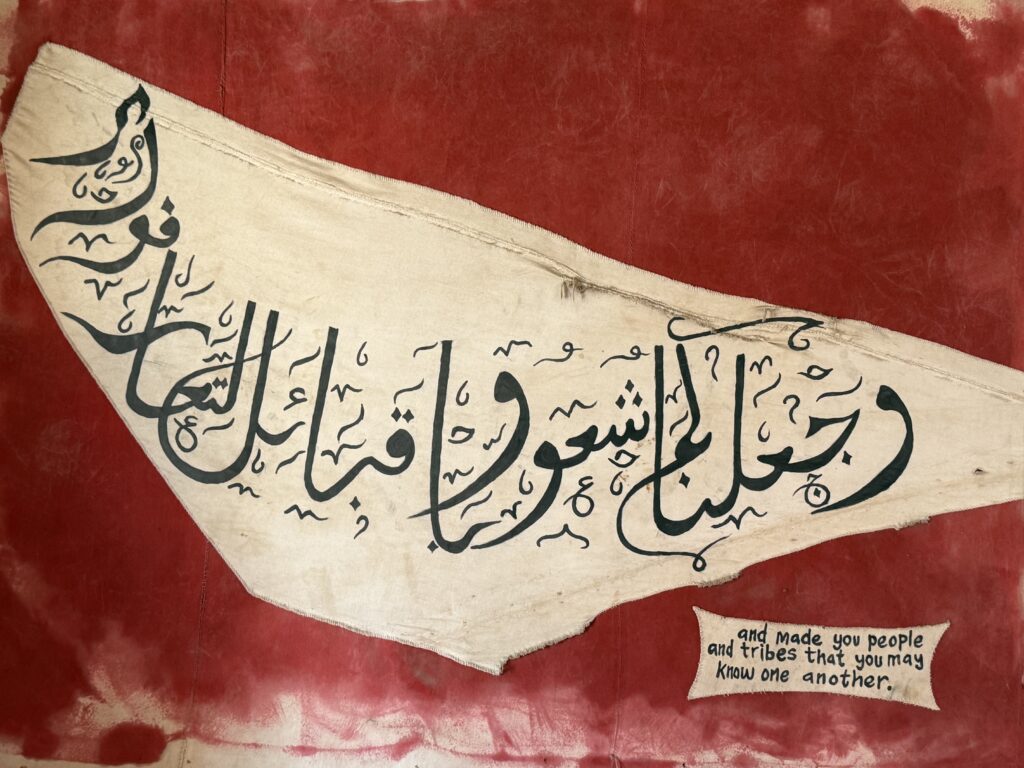
After six months in Africa, having touched only 10 of the daunting 54 countries within, we reflect on our blessings being able to deep dive on this amazing continent, having visited the north, south, and central regions, with each country offering unique experiences and a common thread of generosity and friendliness throughout. Africa offers a wildness and raw authenticity that captivates the soul, leaves an indelible mark, and beckons you to return, and we wholeheartedly agree with Ernest Hemingway when he wrote “I never knew of a morning in Africa when I woke up that I was not happy.” We are deeply grateful for our time on this continent and we say goodbye (kwaheri) and thank you (asante sana) with full hearts and many cherished memories.
Next up: Georgia

Susan, what a beautifully written account of your journey through Kenya. Your photography is stunning, and you captured the beauty and spirit of every place so wonderfully.
I especially loved your Lamu chapter. It truly reflected the magic of this special island. It was a real pleasure hosting you and Brian at Shela Bliss, and we’re honored to have been a small part of your Lamu story. Wishing you both many more unforgettable adventures!
Thank you Abdullah for being such an amazing host in Lamu and opening up experiences for us which we could not have accessed otherwise! Your property is heaven on earth and we’ve so enjoyed getting to know you and your chosen home of Lamu! Take care and stay in touch! xo
Jambo Susan! What an honor and true delight to share the Tsavo Great Walk experience with you and Brian (and the rest of our extraordinary walk-mates). Your words and photos capture the adventure perfectly – thank you for this thoughtful post! Safe and happy travels and we are looking forward to reading what lies ahead on your journey.❤️
Jambo Damon! Thanks for your sentiments – we had an amazing group and we treasure our time together hoofing it through Tsavo! Hoping you and Vince had a wonderful time in Zanzibar and hope we can connect back in CA some day! xo
We continue to be astounded by your diary. A treat to wake up this morning and start my day with coffee and tales of adventure. Carl and I wait to hear more over the next 6 months (and years to come!)
Absolutely loved this post—your best one to date! What a thrilling experience you’re having—so glad you can post as you go along. Assuming you’ll see Olaf in Georgia? Give him our best wishes.
Hey Dena – huge compliment from our MTS content provider! Wow!! I bow to your expertise… Yes will be giving Olaf hugs on Tuesday! 🙂 xo
Thanks Jen – so glad to hear you two are enjoying some blog escapism! Miss you both and sending love! xo
Thanks so much Susan, for so eloquently sharing the Great Walk with us. I have known about it for years and know that it is not something I will be able to do myself, but I felt the beauty and rush of awe that you and Brian experienced thanks to your videos and vivid descriptions. I will be sharing this with my 99 year old mother tomorrow. I took she and my dad to Kenya and Tanzania in 1972 and we had a glorious small safari with 5 other young women my age. To this day my Mom says “I’m homesick for Africa”.
Because next stop is Georgia, I suspect you are going to be hosted by Olaf. Please give him my greetings. I know you are in for another great adventure and cannot wait to read that post.
Love to you both!
Linda
Thank you Linda – I will also be homesick for Africa starting tomorrow when we leave, even 6 months is not enough! You’re on the money re our Georgian host – more good times around the corner! Were you at the reunion when he had us all singing Georgian chants on our deck as the glassware and table settings rattled from the pounding?! Should be a hoot! xo
What an extraordinary trip you had in Kenya! The excitement of Cape Buffalo, bull elephants, and river crossings had me on the edge of my seat. Your story is captivating from across the globe.
One of Cassie’s favorite books is “West with the Night.” I too loved it, and it sticks with me through all the years. I’m so happy you could read it when you were in Kenya. The spirit of Africa that Beryl brought to her book inhabited your writing. Well done!
Ed – glad your family is a fan of West with the Night as well! I’d read it years ago but being in some of the specific areas described while reading it really brought the book to life for and added a cool dimension to the trip. Thanks again for all of your feedback on Vietnam to help us with that planning! xo
How thrilling to read & view your videos of your incredible account of Kenya & Lamu. I do hope you will compile all your accounts in a book to hold in your hand & pass on to your girls. If you’re still in Georgia, please give Olaf a big hug from me as well. I was at the MTS reunion at your home in 2019 when he and Erick was there… it was so much fun!
Safe travels, you two 🌍
Thanks Lisa! We’ll be seeing Olaf again tomorrow night and will send him your best! xo